
Acupuncture for Overactive Bladder (OAB) & Incontinence

Living with bladder dysfunction presents a significant challenge to one’s daily life and emotional well-being. For many, the condition necessitates planning every outing around restroom availability, disrupting work, social engagements, and sleep. Whether you experience sudden, difficult-to-control urges or accidental leakage during physical activity, the impact is profound. While conventional Western medicine often suggests managing symptoms with pharmacotherapy, many patients seek alternatives to avoid potential side effects like dry mouth and fatigue.
At Pulse Acupuncture, we provide comprehensive treatment for urinary urgency designed to restore bladder function and improve quality of life. Led by Marina Doktorman, L.Ac., our clinics in Clifton, NJ, and Williamsburg, Brooklyn, offer a supportive, professional environment where patients can address these sensitive issues with confidence.
By integrating the time-tested principles of Chinese medicine with modern neurological understanding, we address the root causes of dysfunction. Our goal is to regulate the nervous system, strengthen pelvic tone, and help you stop frequent urination naturally without relying solely on medication.
Understanding Your Condition: Types of Urinary Issues
This condition manifests as a sudden, compelling need to urinate that is difficult to defer. Known as “urgency,” this sensation results from involuntary contractions of the detrusor muscle within the bladder wall, even when bladder volume is low. Patients often seek urinary urgency incontinence treatment to address the frequent, unpredictable nature of these episodes, which can occur during the day or disrupt sleep.
Stress Incontinence
If you experience leakage during physical exertion—such as coughing, sneezing, laughing, or lifting heavy objects—you likely present with stress incontinence. This occurs when intra-abdominal pressure exceeds the bladder’s closure mechanism. Acupuncture for urinary incontinence proves highly beneficial in these cases by targeting the pelvic floor muscles and sphincters to restore necessary tone and holding capacity.
Neurogenic Bladder
Proper bladder control relies on complex communication between the brain, spinal cord, and bladder nerves. When this signaling is compromised due to diabetes, spinal stenosis, or post-stroke complications, the bladder may fail to store or empty urine correctly. Acupuncture for neurogenic bladder aims to facilitate neural regeneration and improve communication along these pathways. For patients with underlying nerve compression contributing to this issue, our approach often integrates protocols similar to those used in treating chronic pain to address the root neurological deficit.
If You Are Worried About Bladder & Incontinence, Make an Appointment With Us!
How Does Acupuncture Help with Urinary Issues?
Acupuncture offers a unique integrative approach to treating bladder dysfunction, bridging ancient wisdom with modern neurology. It functions not merely as a relaxation technique but as a precise medical intervention that modulates the nervous system to restore optimal bladder function.
The Western Medical Perspective: Neuromodulation
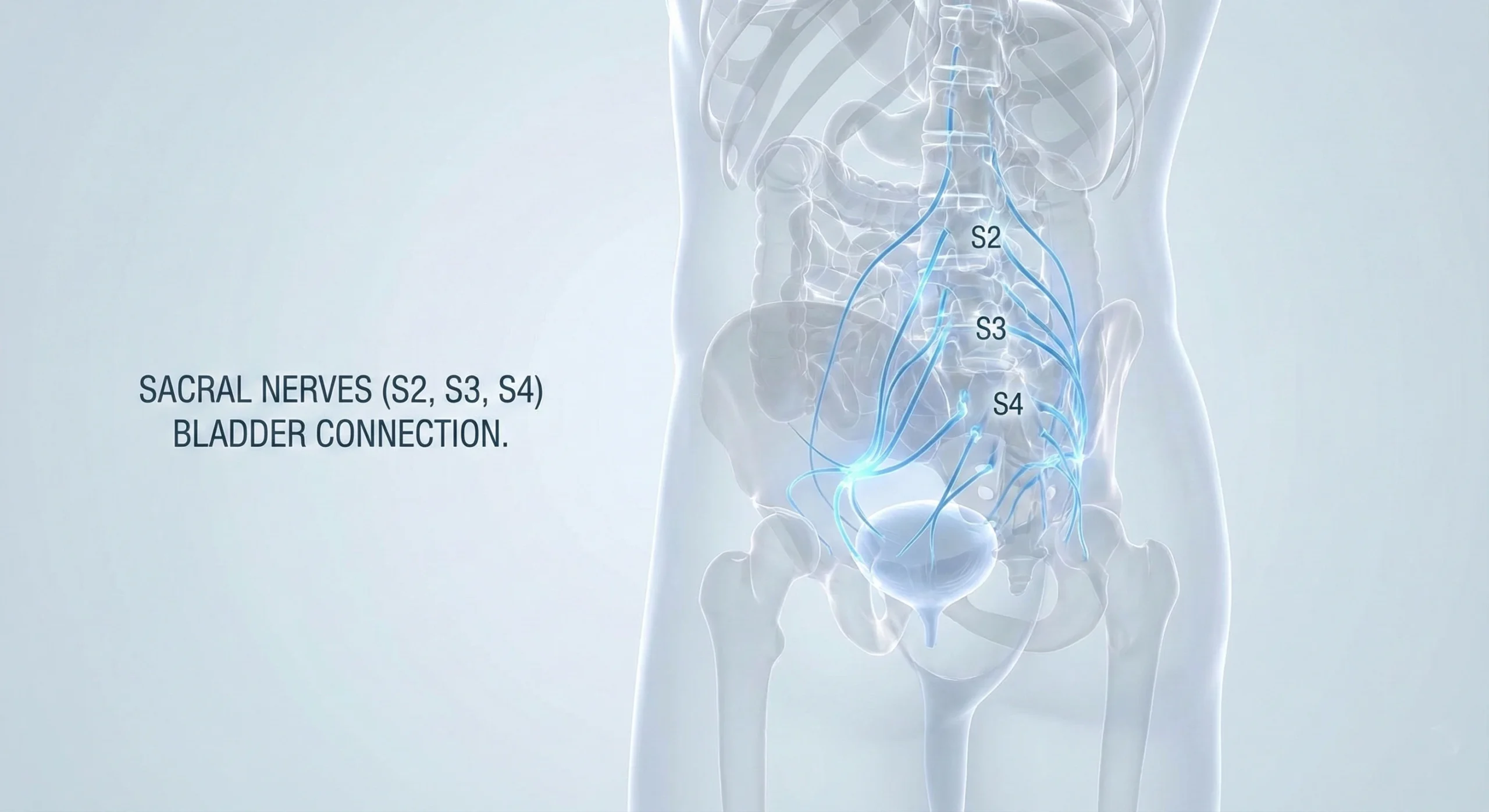
From a biomedical standpoint, acupuncture for OAB primarily works by stimulating the sacral nerves (S2, S3, and S4). These nerves, located at the base of the spine, directly innervate the bladder and pelvic floor muscles. Inserting needles at specific points sends signals to the spinal cord, which in turn regulates the release of neurotransmitters that control the detrusor muscle.
This process reduces the involuntary contractions that cause urgency. Furthermore, treatment helps downregulate the sympathetic nervous system—the “fight or flight” response—which often exacerbates bladder symptoms. Since emotional tension frequently triggers physical symptoms, addressing chronic anxiety is a crucial component of our protocol. By calming the nervous system, we reduce the hypersensitivity that leads to frequency.
The TCM Perspective: Kidney Qi and Damp-Heat
In Chinese medicine, bladder health is intrinsically linked to the Kidney system, which governs the body’s water metabolism and constitutional strength. We view the treatment for urinary urgency and frequency through two primary diagnostic patterns:
- Kidney Qi Deficiency: The Kidneys act as the body’s “gatekeeper.” When Kidney Qi is deficient—often due to aging or childbirth—the bladder lacks the necessary “holding power,” resulting in leakage or frequent urination. Treatment focuses on strengthening this energy to improve retention.
- Damp-Heat in the Bladder: This pattern manifests as urgency, burning sensations, or a sensation of concentrated urine. It represents an accumulation of inflammation or heat within the Bladder meridian. In this case, acupuncture aims to “clear heat” and drain dampness to restore balance.

Menopause and Bladder Problems: The Hormonal Connection
For many women, the onset of menopause brings a significant hormonal transition that directly impacts the urinary tract. Estrogen plays a vital role in maintaining the strength and elasticity of the pelvic floor muscles and the urethral lining. As estrogen levels naturally decline, these tissues may thin and lose tone, making menopause and bladder problems a common occurrence. This physiological change often compromises the structural integrity of the bladder neck, leading to stress incontinence or heightened sensitivity.
In Chinese medicine, this phase of life is frequently associated with a decline in “Kidney Yin,” which represents the body’s cooling and moistening resources. When Yin is deficient, the body generates internal heat that can disturb bladder function. Our approach to treating bladder problems in menopause focuses on “nourishing the Yin” to restore hormonal balance and strengthen the pelvic region. By addressing the systemic root of these symptoms, we support overall menopause health, helping to alleviate urinary distress alongside other climacteric symptoms.
Acupuncture for Nocturia and Male Urinary Frequency
Disrupted sleep architecture due to the need to urinate at night—medically known as nocturia—affects both men and women, leading to chronic fatigue and reduced daytime alertness. Acupuncture for nocturia targets the physiological mechanisms responsible for nighttime urine production and bladder sensitivity. In Traditional Chinese Medicine, this issue often stems from a deficiency in Kidney Yang, which provides the metabolic heat necessary for the body to concentrate urine during sleep. By restoring this energy, we help consolidate sleep cycles and reduce the frequency of waking, thereby addressing the root cause of sleep maintenance insomnia.
For our male patients, male urinary frequency is frequently associated with prostate health and localized inflammation. As the prostate enlarges with age, it places mechanical pressure on the urethra and bladder, preventing complete emptying. Acupuncture improves blood circulation in the pelvic basin (Lower Jiao), reducing stagnation and inflammation. Our protocol for acupuncture for frequent urination in men focuses on relieving this obstruction, promoting smooth flow, and supporting overall prostate function naturally.
Acupuncture Points for Overactive Bladder & Incontinence
The selection of acupuncture points for an overactive bladder is never a one-size-fits-all protocol. Instead, it is a tailored prescription based on the individual’s constitution and specific pattern of disharmony. However, several foundational points are frequently utilized in clinical practice to restore bladder control and strengthen the pelvic floor.
Ren 4 (Guanyuan) – “Gate of Origin”
Located on the midline of the lower abdomen, approximately three inches below the umbilicus, this point is critical for urinary health. In Chinese medicine, Ren 4 represents the reservoir of the body’s foundational energy (Yuan Qi). Stimulating this area strengthens the bladder’s ability to retain urine and addresses the “sinking” sensation often associated with incontinence.
Spleen 6 (Sanyinjiao) – “Three Yin Intersection”
Found on the inner aspect of the lower leg, roughly three inches above the ankle bone, SP6 is the meeting point of the Spleen, Liver, and Kidney meridians. It is one of the most potent acupuncture points for urinary incontinence, particularly for women. This point regulates body fluids, balances hormones, and strengthens the pelvic floor muscles.
Bladder 23 (Shenshu) – “Kidney Transporter”
Located on the lower back, at the level of the second lumbar vertebra, BL23 directly accesses the Kidney organ system. Since the Kidneys govern water metabolism and the opening and closing of the urethra, treating this point strengthens the lumbar region and enhances the body’s natural ability to control urination.
Integrative Care: Herbs, Moxibustion & Diet
To achieve sustainable results, the treatment of urinary urgency often requires a multi-modal approach that extends beyond acupuncture needles. At Pulse Acupuncture, we employ a synergistic strategy combining external therapies with internal medicine to address the body’s specific deficits.
Chinese Herbology
While acupuncture regulates nerve signaling, herbal medicine provides the essential building blocks to rebuild the body’s reserves. Marina Doktorman, M.S., L.Ac., possesses specialized training in Chinese Herbology, allowing her to prescribe custom formulas that complement needle therapy. Chinese herbs are particularly beneficial for bolstering Kidney Qi and astringing leakage. Classic formulas are often utilized to lift “sinking” energy and improve the bladder sphincter’s ability to remain closed naturally.
Moxibustion (Warming Therapy)
For patients presenting with “Cold” patterns—characterized by frequent, copious, and clear urination—we often incorporate moxibustion. This technique involves burning the dried herb mugwort (Ai Ye) near the skin at specific points on the lower abdomen. The profound heat penetrates deeply, warming the Yang energy of the Kidney and Bladder channels to dispel internal cold and reduce frequency.
Dietary Modifications
Diet plays a pivotal role in bladder health. Particular foods act as diuretics or irritants that can exacerbate OAB symptoms. To stop frequent urination naturally, we advise patients to minimize the consumption of bladder irritants such as caffeine, alcohol, and spicy foods. From a TCM perspective, avoiding an excess of raw or cold foods is also recommended for those with weak digestive and Kidney energy, as these can generate internal dampness.
Why Choose Pulse Acupuncture for Bladder Health?
When seeking effective acupuncture for an overactive bladder near me, the practitioner’s level of expertise and clinical judgment make a significant difference in the outcome. Bladder dysfunction is a complex condition requiring a sophisticated understanding of both physiological anatomy and energetic channels.
Marina Doktorman, M.S., L.Ac., brings over two decades of clinical experience to her practice. Having earned her Master’s of Acupuncture in 2001, she holds a Diplomate of Acupuncture from the National Certification Commission for Acupuncture and Oriental Medicine (NCCAOM). She maintains active licensure in both New York (NY) and New Jersey (NJ). Her specialized training in Chinese Herbology allows for a comprehensive treatment strategy that few clinics can match.
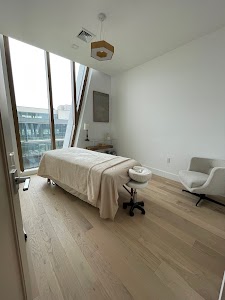
We understand that discussing urinary issues can be sensitive. At Pulse Acupuncture, we prioritize your comfort by cultivating a serene, spa-like environment. Our approach is rooted in empathy, ensuring that every patient receives dignified, personalized care without judgment. If you are ready to regain control and improve your quality of life, we invite you to contact us today to schedule your initial consultation at our Clifton or Williamsburg locations.
Why Pulse Acupuncture?
Experience
Marina Doktorman, L.Ac. has over 20 years of clinical experience.
RELAXATION
At Pulse Acupuncture, we aim to cultivate a spa-like environment.
Comfort
All of our needles are of the highest quality for painless insertion.
Patient Reviews

I had the pleasure of working with Marina, Laryssa, and Jaesung, and they have all been absolutely amazing. Thanks to this incredible team, I can now sit, drive, walk, sleep comfortably, and function normally again. I truly don’t think I’d be where I am today without their care and expertise.
Pulse Acupuncture has become my go-to place for anything pain-related. The entire team is warm, compassionate, and professional, with outstanding bedside manners.
I highly recommend Pulse Acupuncture to anyone experiencing pain and looking for effective, non-invasive treatment. Truly life-changing! 😊

Marina is very accommodating, kind, and attentive, and her staff is a pleasure to deal with. I highly recommend Pulse.

Acupuncture has truly changed my life and has helped me in ways I didn’t even know were possible.
I started doing acupuncture to balance my hormones after 2 years of unsuccessful fertility treatments. When I started seeing Marina, my periods were starting to be regular and I was dealing with a few different symptoms which we started treating right away (constipation, random headaches, body aches)… in the last 3 years I have not been sick (no flu, have never tested positive for COVID) - Marina even treated me for allergies more than a year ago during an allergy episode in changing seasons.
Also want to mention Larissa as I started seeing her in Marina’s beautiful office and she’s also contributed to my wellness journey. Acupuncture is my favorite wellness practice, I see them regularly and have never felt better. I sometimes just tell them whatever I’m thinking/feeling knowing they will stick some needles in different places of my body and I come out floating and feeling so relaxed.

Excellent service- great results- highly recommended ~!

Marina is not only incredibly knowledgeable, but also very calming and has great bedside manners. If you're looking for a fantastic acupuncturist I can't recommend her enough!!

After 10 minutes of the procedure, you get into a different reality. Marina is knowledgeable, answers all the questions. After the procedure, the skin of the face glows, the body becomes lighter by a couple of pounds. I've been looking for such a procedure and state of mind for a long time.

I am beyond grateful to Marina, because after trying so many things, I almost lost hope. highly recommend Pulse Acupuncture and Marina for anyone seeking relief from pain or other health concerns.
The acupuncture sessions themselves are incredibly relaxing and therapeutic. Marina's gentle touch and precise needle placement always leave me feeling calm and rejuvenated. She also incorporates other techniques, such as cupping, which have been very beneficial for my overall health and wellbeing.
In addition to her skill as an acupuncturist, Marina is also a wonderful person to work with. She is warm, friendly, and genuinely cares about her clients' wellbeing. I always leave our sessions feeling refreshed and uplifted, both physically and mentally.
Overall, I highly recommend Pulse Acupuncture and Marina for anyone looking for high-quality acupuncture and personalized care. Thank you, Marina, for your exceptional service and dedication to helping others achieve optimal health!
FAQ: Common Questions about Bladder Health
How many sessions are needed for OAB?
Is acupuncture for incontinence painful?
Can I stop taking my OAB medication?
Contact us
Acupuncture therapy at Pulse Acupuncture Practice, at Clifton, NJ and Williamsburg, Brooklyn, NYC offers unique combination of various cupuncture types for healing on all levels: emotional, spiritual and physical by integrating ancient wisdom of energy healing with modern acupuncture techniques.