


What Are Burnout and Chronic Fatigue?
Burnout happens when work stress builds up over time, and your mind and body start to feel overly “used up.” The World Health Organization considers it a work-related problem, not a medical disease, but it can still affect how you think, work, and even manage daily life.
Chronic fatigue means feeling tired for a long time, not just after a busy week. People use the term in different ways. Sometimes it’s just a description of ongoing tiredness. Other times, it can refer to a specific long-term illness called ME/CFS, which doctors diagnose according to established medical criteria.

Key Symptoms and How They Affect Daily Life
- Ongoing exhaustion. You feel drained even after enough rest, so basic chores and a typical workday start to feel like a heavy lift.
- Sleep problems. Trouble falling asleep, waking up a lot, or waking up tired, which makes everything harder the next day, which also has a cumulative effect.
- “Brain fog.” Slower thinking, poor focus, and forgetfulness can lead to mistakes, missed details, and lower productivity.
- Mood changes. You may feel more irritable, anxious, or just “bad.”
- Low motivation and detachment (common in burnout). You care less, avoid tasks, and feel disconnected from work.
- Physical discomfort. Tension, headaches, and body aches can make sitting, commuting, and exercising feel more difficult.
- For ME/CFS specifically. Even small activities can trigger a “crash” later, so calculating pacing becomes essential.
Causes of Chronic Fatigue Syndrome and Burnout
Chronic Fatigue Syndrome (ME/CFS). Common triggers and contributing factors (the exact cause isn’t fully known yet):
- Viral or bacterial illness. Many people notice symptoms start after an infection (or a “bad” flu-like illness).
- Immune system changes. The body can remain stuck in an “on” state after stress or illness.
- Nervous system regulation issues. Some people have trouble with the body’s stress response and heart rate regulation, which wastes a lot of energy.
- Sleep problems. Non-restorative sleep can keep the body from recharging, even if you’re in bed longer than before.
- Hormone or thyroid problems. Not always the leading cause, but they can worsen fatigue and should be checked.
- Overexertion and poor pacing. Pushing through symptoms and ignoring them can make crashes more likely for some people.
- Genetics and other health conditions. Some people may be more prone due to family history or overlapping conditions.
Common causes of burnout:
- Long-term stress with no proper recovery.
- Heavy workload and constant urgency.
- Lack of support. Poor management, conflict, or feeling isolated.
- Effort-reward mismatch. Working hard but feeling unrecognized and underpaid.
- Values mismatch. Being pushed to work in a way that clashes with your standards.
- Poor boundaries. Work is bleeding into evenings/weekends and taking over personal life.
How Acupuncture Helps with Burnout and Chronic Fatigue
Burnout and chronic fatigue can make your body feel like it’s stuck in a “fight” mode. Even when you try to rest, your brain stays busy, your muscles remain tight, and sleep doesn’t make you feel rested. Targeting specific acupuncture points for fatigue can help by sending gentle signals through nerves in the skin and muscles.
Those signals reach the brain and nervous system, carefully transitioning your body toward a calmer state. When that happens, it helps you feel less tense, less “wired,” and more able to rest at night. It may also help regulate stress-related hormones, like cortisol. In such cases, acupuncture for stress may be very helpful.
It can also help with the physical stuff that drains you. If your body is carrying a lot of tightness, sore spots, or trigger points, acupuncture for fatigue may help those areas relax and ease the constant discomfort that wears you out. Better circulation in tense muscles can also help you recover after long days or poor sleep.
Acupuncture for insomnia can help you fall asleep faster, wake up less, and feel a little clearer-headed in the morning. It’s not magic, and it’s not always instant, but it can be a valuable extra support while you work on the bigger picture, too.
Benefits of Acupuncture for Burnout and Chronic Fatigue
Acupuncture for chronic fatigue is not a magic cure. But it can be a helpful support for burnout and chronic fatigue because it helps calm your nervous system. It can help you fall asleep more easily and stay asleep longer. By easing muscle tension and trigger points, it may also reduce the “constant strain” feeling that drains your energy.
It can also help with stress reactivity, fewer headaches, and a clearer head if you experience brain fog. It can also support recovery by improving local blood flow in tense areas, which may help your body feel better.
What to Expect During Treatment
Most acupuncture for burnout and fatigue visits start with a conversation. Your practitioner will ask what you’re dealing with, how you’re sleeping, how your energy feels, and what makes things better or worse. They may also ask about stress, digestion, and any pain or tension you carry, since burnout and chronic fatigue often show up in more than one way. Based on that, your practitioner will create a unique treatment plan.
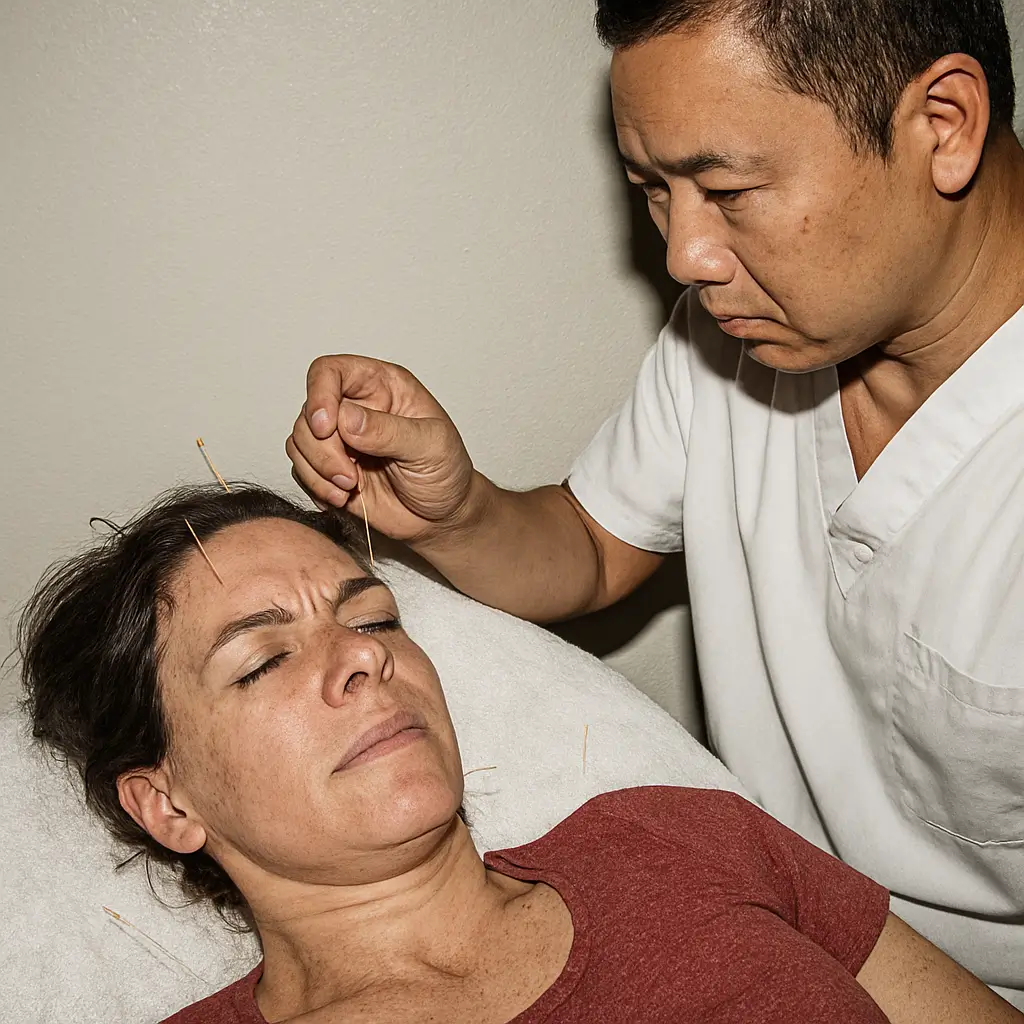
Then you’ll get comfortable on a treatment table. The practitioner places very thin, sterile needles in specific areas based on your symptoms and goals. The needle placement is not painful. It usually just feels like a small pinch and fades away quickly. After that, you typically rest quietly for 20-40 minutes.
Most people usually feel deeply relaxed during this time, and some even fall asleep. Depending on your plan, they may also use gentle add-ons such as heat, light stretching, or lifestyle tips.
The treatment may look a little different depending on your situation. If you take certain medications, such as blood thinners, your practitioner may avoid stronger stimulation and use a lighter approach to reduce the risk of bruising. If you have active skin infections, rashes, or open wounds, they’ll avoid those areas and may postpone needling in certain spots until it’s safe to proceed. Pregnancy, implanted medical devices, and some health conditions can also change which techniques they use.
Complementary Lifestyle Practices for Better Recovery
Acupuncture for fatigue can help, but it works best when your daily habits work for you rather than against you. Burnout and long-term fatigue usually improve with a few simple, consistent changes. And for some people, medical care still matters too. The main idea is to help your nervous system calm down rather than keep working constantly.
Mindfulness or meditation can help you relax mentally. You don’t need long sessions. Even 5 minutes of slow breathing or a short guided meditation can take the edge off stress and help you relax.
Light movement also helps, as long as you’re not overdoing it. If you’re exhausted, hard workouts can make you feel worse. Walking, gentle stretching, yoga, or easy strength work can support mood and circulation without draining you even more.
Sleep is often the most significant issue. A steady bedtime and wake time, less caffeine late in the day, and a simple, relaxing routine can make a real difference. If sleep is still a mess, it’s smart to talk with your healthcare provider, since some health issues can look like burnout.
Conclusion: Restore Your Energy and Prevent Burnout with Acupuncture
Burnout and chronic fatigue can wear you down fast. You’re running on empty, sleep doesn’t help, and even small tasks feel like work. Acupuncture can be a solid support here because it helps your nervous system calm down, relax tight muscles, and settle your body so rest actually feels like rest.
It also works well next to other care you might already be doing, and it can be invaluable if you’re experiencing a lot of stress, including acupuncture for anxiety.
If you want support that feels straightforward and professional, Pulse Acupuncture has locations in Clifton, NJ., and Williamsburg, Brooklyn. Marina Doktorman, L.Ac., and her team provide safe acupuncture for burnout and fatigue, and they’ll help you figure out what helps your body feel better.