


For individuals seeking effective strategies for sustainable weight management, it is crucial to understand the distinct mechanisms of various therapeutic interventions. While lymphatic drainage massage effectively addresses fluid retention and reduces localized swelling, it does not directly facilitate the reduction of adipose tissue or significant, lasting weight loss. For profound metabolic regulation, diminished cravings, and sustained fat loss, a comprehensive approach integrating dietary modifications, consistent physical activity, and targeted therapies such as acupuncture is demonstrably more effective. At Pulse Acupuncture, Marina Doktorman, L.Ac., provides personalized treatment protocols that synergize traditional Chinese medicine principles with contemporary health insights to optimize metabolic function and promote genuine physiological transformation.
Key Takeaways
- Lymphatic drainage massage primarily targets fluid retention and edema, offering minimal direct impact on adipose tissue reduction.
- Acupuncture provides a holistic and evidence-based approach to weight loss by regulating metabolism, hormones, digestive function, and emotional factors.
- Sustainable weight management necessitates a multi-faceted strategy combining dietary adjustments, regular physical activity, stress mitigation, and targeted therapeutic support.
- Red light therapy, while beneficial for cellular health and inflammation, offers indirect support rather than direct fat loss, making it a complementary modality.
- Consulting a qualified practitioner, such as a licensed acupuncturist, is essential for developing an individualized plan that addresses the root causes of weight imbalance.
Understanding Lymphatic Massage: Beyond Weight Reduction
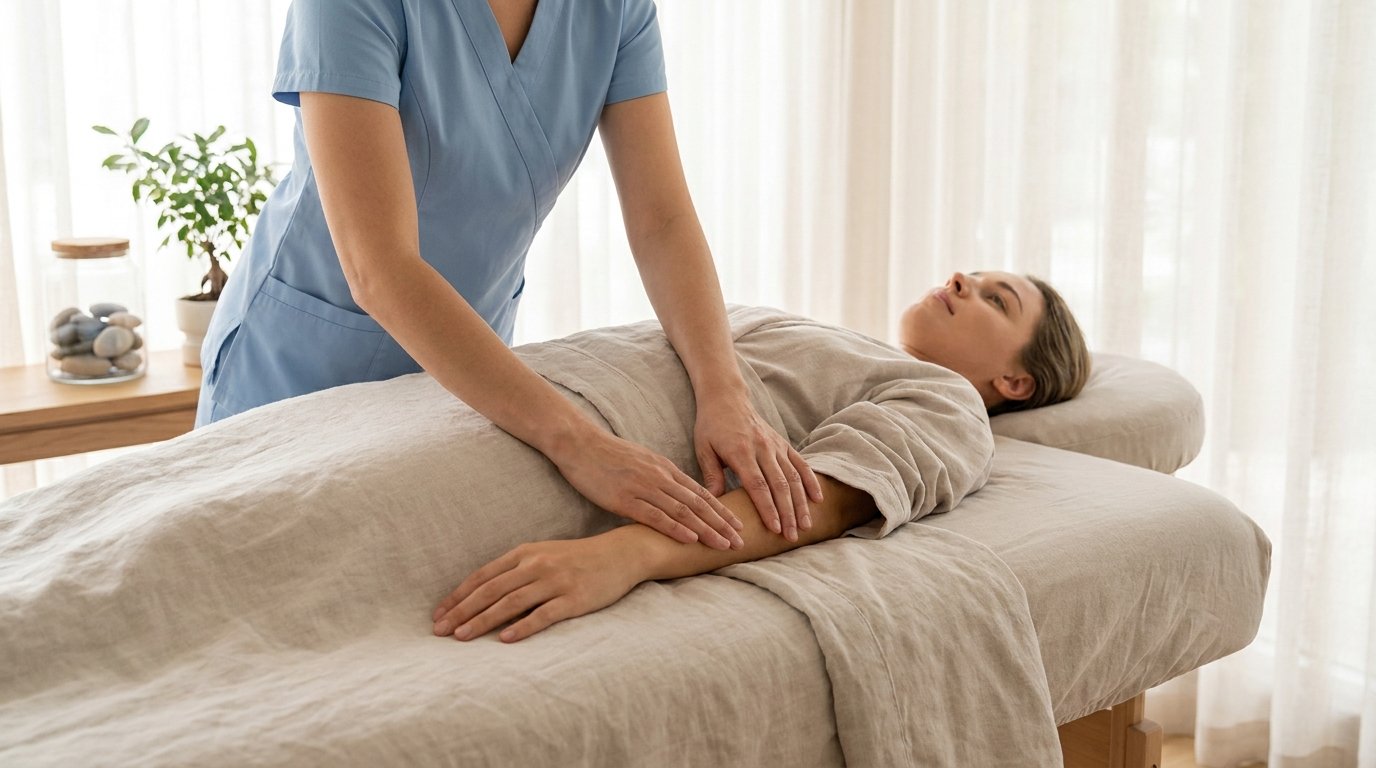
Lymphatic drainage massage, often referred to as Manual Lymphatic Drainage (MLD), is a specialized therapeutic technique designed to stimulate the lymphatic system. This intricate bodily network is integral to immune function, waste removal, and fluid balance. Unlike conventional massage, which typically targets muscle tissue for relaxation or pain relief, MLD employs gentle, rhythmic strokes to encourage the natural drainage of lymph, which carries waste products away from the tissues and back toward the heart.
The primary physiological objective of MLD is to mitigate edema and promote detoxification by facilitating the movement of stagnant lymph fluid. This process helps reduce swelling, particularly in conditions like lymphedema, and can enhance the body’s intrinsic healing capabilities following surgery or injury. While individuals may experience a temporary reduction in measurements due to the expulsion of excess fluid, this effect does not equate to the loss of body fat, which is the defining characteristic of genuine weight loss.
Clinical Efficacy of Lymphatic Drainage Massage
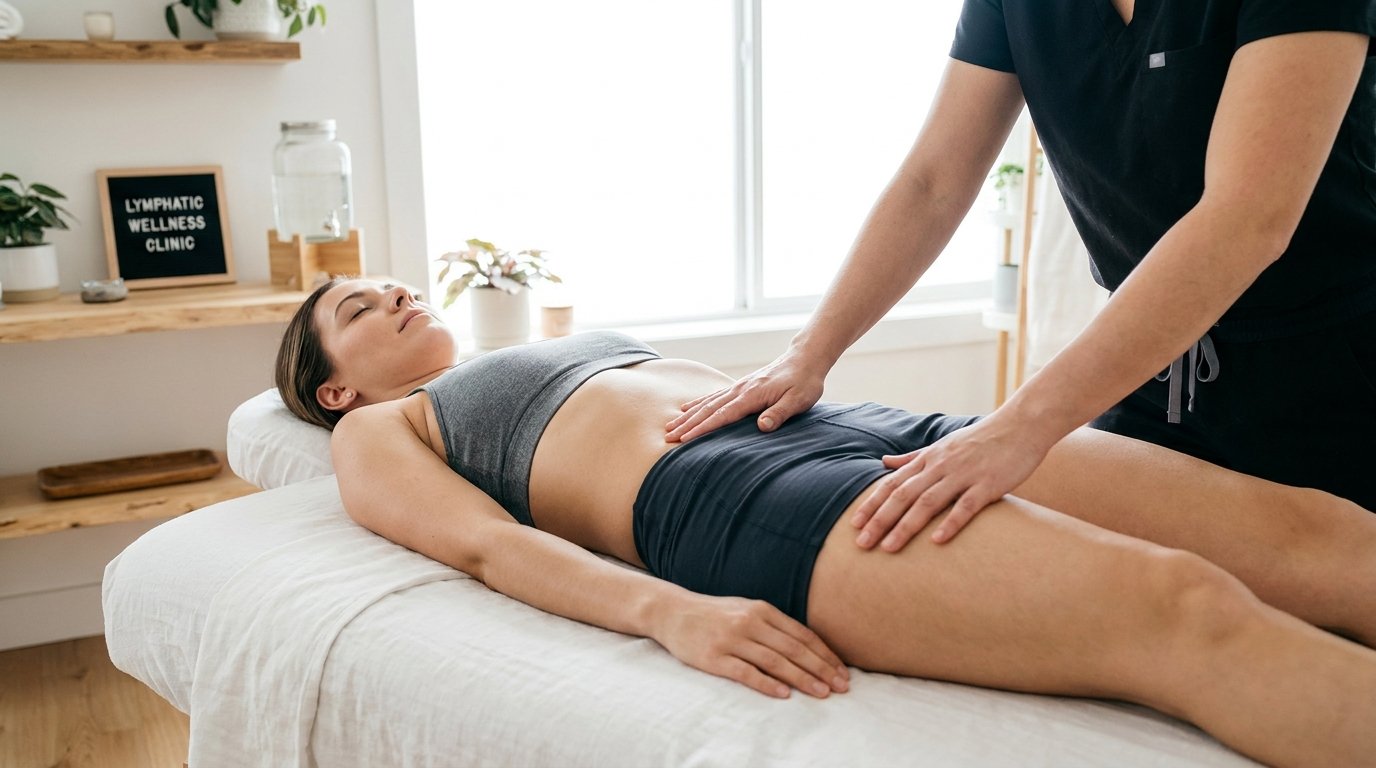
The established clinical applications of lymphatic drainage massage predominantly revolve around managing fluid retention and specific medical conditions, rather than directly impacting adipose tissue. MLD is a cornerstone therapy for lymphedema, a chronic condition characterized by localized fluid retention and tissue swelling, often resulting from lymphatic system damage due to cancer treatment or congenital factors. A 2023 review published in Lymphatic Research and Biology highlighted that manual lymphatic drainage can effectively reduce limb volume by an average of 15-20% in patients with lymphedema, profoundly improving comfort and mobility.
Furthermore, MLD proves beneficial in post-surgical recovery, particularly after cosmetic procedures such as liposuction. It helps diminish post-operative swelling, bruising, and fibrosis by accelerating the removal of inflammatory byproducts and interstitial fluid. While patients undergoing these procedures often report a sensation of “lightness” or visual reduction in volume, this outcome directly correlates with the resolution of edema, not the metabolic breakdown of fat. A common professional misconception is conflating fluid reduction with fat loss; clinicians must educate patients on this critical distinction. Relying solely on MLD for direct weight loss is an ineffective strategy and diverts attention from truly impactful interventions.
A Holistic Perspective on Weight Management: The Pulse Acupuncture Approach
At Pulse Acupuncture, we advocate for a holistic and individualized approach to weight management, recognizing that sustainable results stem from addressing the root causes of metabolic imbalance. While lymphatic massage serves a vital role in fluid dynamics, our focus shifts toward comprehensive internal regulation. Acupuncture for weight loss offers a powerful, drug-free alternative, working synergistically with the body’s natural systems to optimize physiological function.
Acupuncture facilitates weight management through multiple mechanisms rooted in Traditional Chinese Medicine (TCM). Needles at specific acupoints modulate the autonomic nervous system, impacting hormonal regulation, stress responses, and digestive efficiency. This translates to diminished cravings, enhanced satiety, and improved metabolic rate. Furthermore, acupuncture can mitigate emotional eating by addressing underlying imbalances contributing to anxiety and stress. For individuals struggling with stress-induced weight gain, exploring strategies to How to Lower Cortisol Levels through holistic means, including acupuncture, can be profoundly beneficial. Our customized treatment plans often integrate additional TCM modalities like cupping and moxibustion to further enhance circulation, reduce inflammation, and support the body’s natural detoxification pathways.
Comparing Weight Management Modalities: Lymphatic Massage vs. Acupuncture vs. Red Light Therapy
Selecting the optimal modality for weight management requires a clear understanding of each therapy’s primary mechanisms and established efficacy. Below, we compare lymphatic massage, acupuncture, and red light therapy, outlining their distinct contributions to overall wellness and weight regulation.
| Modality | Primary Mechanism | Direct Weight Loss Efficacy | Best Application |
|---|---|---|---|
| Lymphatic Drainage Massage | Stimulates lymphatic flow, reduces fluid retention, removes metabolic waste. | Minimal to none for fat loss; reduces water weight and bloating. | Lymphedema, post-surgical edema, detoxification, swelling reduction. |
| Acupuncture | Modulates hormones, regulates metabolism, reduces cravings, improves digestion, mitigates stress. | Significant for sustainable fat loss, metabolic regulation, and appetite control. | Holistic weight management, metabolic dysfunction, emotional eating, stress reduction. |
| Red Light Therapy (Photobiomodulation) | Enhances cellular energy (ATP production), reduces inflammation, improves circulation, promotes collagen synthesis. | Indirect; may support metabolism and fat cell release (lipolysis) in conjunction with other efforts. | Skin rejuvenation, muscle recovery, pain relief, metabolic support (adjunctive). |
Red light therapy, also known as photobiomodulation, utilizes specific wavelengths of light to penetrate tissues, stimulating cellular function. While it does not directly burn fat, research indicates it can enhance mitochondrial activity and reduce inflammation, which indirectly supports metabolic health. Some studies suggest that red light may facilitate lipolysis (fat cell release) and improve body contouring when combined with exercise and dietary efforts, but it is primarily viewed as a complementary therapy rather than a standalone weight loss solution. Its main benefits include muscle recovery, skin health, and pain relief.
Optimizing Lymphatic Health and Metabolic Function for Weight Loss
Achieving lasting weight loss and optimal health extends beyond any single therapeutic modality, requiring a comprehensive lifestyle approach that supports both lymphatic health and metabolic efficiency. Adequate hydration is paramount; consuming sufficient water facilitates lymph flow and aids the kidneys in toxin elimination. Similarly, a nutrient-dense diet rich in whole foods, lean proteins, and ample fiber supports digestive health and provides essential micronutrients for metabolic processes. Minimizing processed foods, refined sugars, and excessive sodium reduces inflammatory burdens and prevents unnecessary fluid retention.
Regular physical activity is a profound catalyst for both lymphatic circulation and metabolic regulation. Exercise, particularly cardiovascular activity and resistance training, not only burns calories but also stimulates muscle contractions that naturally pump lymphatic fluid throughout the body. Furthermore, stress mitigation is a critical component of weight management. Chronic stress elevates cortisol levels, which can promote abdominal fat accumulation and dysregulate appetite. Techniques such as meditation, yoga, or consistent acupuncture treatments can effectively lower cortisol levels and foster a balanced physiological state. An expert observation underscores that a common professional mistake in weight management is prescribing isolated interventions without addressing the interconnectedness of diet, exercise, stress, and underlying physiological imbalances. A truly effective strategy integrates these elements into a cohesive, sustainable plan.
Frequency and Considerations for Lymphatic Drainage Massage
The optimal frequency for lymphatic drainage massage depends significantly on the individual’s specific condition and therapeutic goals. For chronic conditions like lymphedema, treatment protocols often involve an intensive phase with daily sessions for several weeks, followed by a maintenance phase ranging from weekly to monthly sessions. For post-surgical edema, an initial series of 3-5 sessions within the first two weeks post-procedure is common, with subsequent sessions as needed to resolve swelling. For general wellness and detoxification, bi-weekly or monthly sessions may suffice.
The cost of lymphatic drainage massage varies based on location, practitioner qualifications, and session length. Nationally, individual sessions typically range from $100 to $250, with packages often offering a reduced per-session rate. It is imperative to consult a certified lymphatic therapist to ensure proper technique and to address any contraindications. MLD is generally safe, but precautions are necessary for individuals with acute infections, congestive heart failure, active deep vein thrombosis (DVT), or uncontrolled hypertension. While minor side effects such as increased urination or temporary blood pressure changes are reported, a qualified practitioner minimizes risks. A 2022 survey of physical therapists reported that approximately 85% of their patients receiving MLD for lymphedema experienced significant symptom improvement within 6 sessions, highlighting the importance of consistent, professionally guided therapy.
Integrating Holistic Therapies for Sustainable Wellness

At Pulse Acupuncture, we believe that true wellness and sustainable weight management stem from a deeply personalized and holistic approach. While lymphatic drainage massage plays a valuable role in managing specific conditions related to fluid retention and detoxification, it functions optimally as part of a broader, integrated strategy. Our clinic excels in developing tailored treatment plans that utilize the profound benefits of acupuncture to rebalance the body’s internal systems, addressing metabolic dysfunction, hormonal imbalances, and emotional factors that contribute to weight challenges.
Marina Doktorman, L.Ac., combines traditional acupuncture techniques with modern understanding to provide a painless, effective, and individualized path to health. By regulating the body’s energy flow and promoting intrinsic healing, acupuncture offers lasting relief from chronic conditions and supports sustainable lifestyle changes essential for optimal weight and well-being. We invite you to explore a truly transformative approach to health. For a comprehensive assessment and a customized weight management plan, we encourage you to consult Marina Doktorman, L.Ac., at Pulse Acupuncture.
FAQ
What is the primary benefit of lymphatic drainage massage?
The primary benefit of lymphatic drainage massage is to reduce fluid retention and edema by stimulating the lymphatic system. It helps move stagnant lymph fluid, aiding in detoxification and reducing swelling, particularly in conditions like lymphedema or post-surgical recovery.
How does acupuncture contribute to weight loss?
Acupuncture facilitates weight loss by regulating metabolic rate, balancing hormones, reducing food cravings, improving digestive function, and mitigating stress. It targets specific acupoints to harmonize the body’s systems, promoting sustainable fat loss and preventing emotional eating.
Is red light therapy effective for reducing body fat?
Red light therapy primarily offers indirect support for weight loss by enhancing cellular energy and reducing inflammation, which can improve metabolic function. While some studies suggest it may aid in lipolysis or body contouring when combined with other methods, it is not a direct fat-reduction therapy.
When should one consider lymphatic drainage massage?
One should consider lymphatic drainage massage for conditions involving significant fluid retention, such as lymphedema, post-surgical swelling, or chronic venous insufficiency. It is also utilized for general detoxification and to support the immune system, always under the guidance of a certified therapist.
Can I perform simple lymphatic drainage at home?
Simple lymphatic drainage (S-LD) can be performed at home, but it requires proper instruction from a healthcare professional or certified therapist to ensure correct technique. Incorrect application can be ineffective or potentially harmful, so professional guidance is essential before attempting self-massage.
What is the typical cost of a lymphatic drainage session?
The typical cost for a single lymphatic drainage massage session in the United States generally ranges from $100 to $250. Prices vary based on the practitioner’s qualifications, geographical location, and the duration of the session, with package deals often available for multiple treatments.