

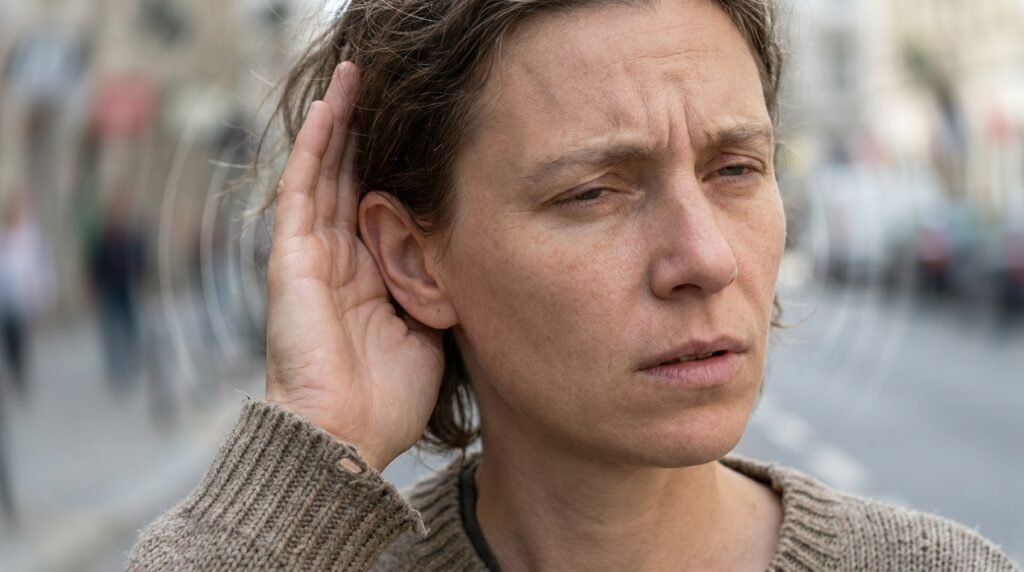
While tinnitus and vertigo frequently co-occur, tinnitus does not directly cause vertigo. Rather, their simultaneous presentation typically indicates an underlying dysfunction within the intricate structures of the inner ear or central nervous system. At Pulse Acupuncture, our approach involves a precise differential diagnosis to identify the root cause of these distressing symptoms, enabling us to formulate highly individualized treatment plans. Conditions such as Meniere’s disease, vestibular migraine, labyrinthitis, and even certain neurological issues can manifest with both the perception of phantom sounds and profound sensations of spinning or imbalance. Our objective is to alleviate these symptoms through a holistic framework that addresses the specific physiological imbalances responsible, often incorporating traditional acupuncture, cupping, and moxibustion to restore equilibrium and provide lasting relief without relying solely on pharmaceuticals or invasive procedures.
Key Takeaways
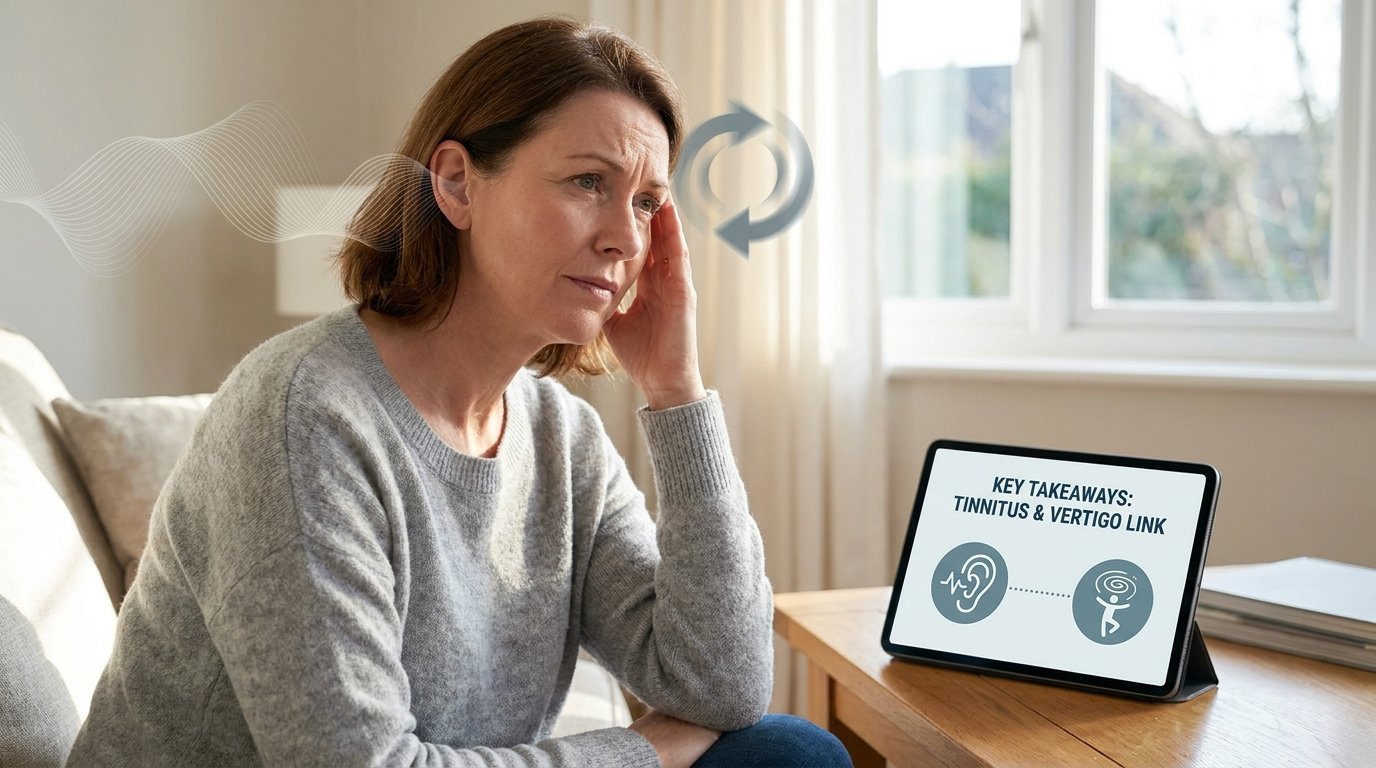
- Tinnitus and vertigo are distinct symptoms that often share common underlying causes, particularly within the inner ear or vestibular system.
- Conditions such as Meniere’s disease, vestibular migraine, and labyrinthitis are primary examples where both tinnitus and vertigo manifest concurrently.
- A precise differential diagnosis by a qualified practitioner is crucial to determine the specific etiology of co-occurring tinnitus and vertigo.
- Traditional Chinese Medicine (TCM), including acupuncture, offers a holistic and personalized approach to manage both tinnitus and vertigo by addressing systemic imbalances.
- Effective management strategies extend beyond symptomatic relief to include lifestyle modifications, stress reduction, and targeted therapeutic exercises tailored to the individual’s specific diagnosis.
The Interconnectedness of Tinnitus and Vertigo Pathologies
The co-occurrence of tinnitus and vertigo stems from the anatomical proximity and functional interdependence of the auditory and vestibular systems within the inner ear. Both symptoms can significantly diminish an individual’s quality of life, necessitating a thorough diagnostic evaluation. While tinnitus, characterized by the perception of sound in the absence of an external source, is primarily an auditory symptom, and vertigo, a sensation of spinning or disequilibrium, is a vestibular symptom, their shared origin in the inner ear explains their frequent presentation together.
According to a 2024 research study, approximately 11% of U.S. adults experience tinnitus, and up to 30% encounter occasional vertigo. The simultaneous manifestation of both conditions, however, suggests a more significant underlying disorder affecting the vestibulocochlear system. Understanding these shared pathologies is crucial for developing effective intervention strategies.
Common Etiologies Linking Tinnitus and Vertigo
Several conditions frequently present with both tinnitus and vertigo, pointing to their complex interconnectedness. Recognizing these specific diagnoses is paramount for targeted treatment.
Meniere’s Disease
Meniere’s disease is a chronic and progressive disorder of the inner ear characterized by episodic vertigo, fluctuating sensorineural hearing loss, aural fullness, and tinnitus. The etiology is thought to involve an excess accumulation of endolymphatic fluid within the inner ear, known as endolymphatic hydrops. These fluid pressure fluctuations disrupt both the cochlear (hearing) and vestibular (balance) functions.
Episodes can be severe, lasting from 20 minutes to several hours, and profoundly impact daily function. The tinnitus associated with Meniere’s disease often intensifies during an attack, presenting as roaring or buzzing, while the vertigo is typically rotational and debilitating.
Vestibular Migraine
Vestibular migraine represents a specific subtype of migraine characterized by recurrent vestibular symptoms, including vertigo, dizziness, and imbalance, irrespective of headache presence. Tinnitus and auditory sensitivity can accompany vestibular migraine episodes. The underlying mechanism involves neurovascular changes that affect both the brain’s vestibular centers and, sometimes, inner ear structures.
Unlike Meniere’s disease, vestibular migraine typically lacks aural fullness and significant hearing loss, although transient auditory symptoms may occur. The vertigo in vestibular migraine can manifest as spinning, rocking, or tilting sensations, often exacerbated by head movement or visual stimuli.
Labyrinthitis and Vestibular Neuritis
Labyrinthitis involves inflammation of the labyrinth, the innermost part of the ear containing both the cochlea and vestibular system. This inflammation, often viral, can lead to sudden onset vertigo, nausea, and hearing loss, with tinnitus frequently accompanying the auditory impairment. Vestibular neuritis specifically affects the vestibular nerve, causing severe vertigo without hearing loss or tinnitus.
The acute onset and rapid progression of symptoms distinguish these conditions. While typically self-limiting, the profound disequilibrium and auditory symptoms necessitate medical evaluation to exclude more serious pathologies.
Acoustic Neuroma (Vestibular Schwannoma)
An acoustic neuroma is a benign, slow-growing tumor on the vestibulocochlear nerve, which connects the inner ear to the brain. This tumor can exert pressure on the auditory and vestibular nerves, leading to unilateral tinnitus, progressive hearing loss, and balance disturbances, including vertigo. The severity of symptoms depends on tumor size and location.
Early diagnosis is crucial to manage symptom progression and prevent neurological complications. Imaging studies, such as MRI, are essential for confirming the diagnosis of an acoustic neuroma.
Distinguishing Tinnitus and Vertigo Symptoms
Accurate symptom differentiation is fundamental for effective diagnosis and management of conditions involving the inner ear. While both tinnitus and vertigo can be profoundly disruptive, their specific characteristics guide the diagnostic process.
Manifestations of Tinnitus
Tinnitus is not a disease itself but a symptom, characterized by the perception of internal sounds. Its presentation is highly variable among individuals.
- Ringing: The most commonly reported sound, often high-pitched.
- Buzzing: A lower-frequency, continuous sound.
- Hissing: Similar to the sound of air escaping.
- Roaring: A low, rumbling noise.
- Clicking: Often associated with muscle spasms in the middle ear or eustachian tube dysfunction.
- Pulsatile Tinnitus: A rhythmic, throbbing sound that synchronizes with the heartbeat, indicating a vascular origin, such as turbulent blood flow near the ear. This variant warrants immediate evaluation to rule out arterial abnormalities or increased intracranial pressure.
The impact of tinnitus extends beyond the auditory perception, frequently contributing to sleep disturbances, concentration difficulties, and significant psychological distress, including anxiety.
Characteristics of Vertigo
Vertigo is a specific type of dizziness characterized by a sensation of spinning or self-motion, or of the environment moving around the individual, even when stationary. It differs from general lightheadedness or unsteadiness.
- Rotational Sensation: The hallmark of vertigo, often described as the room spinning.
- Imbalance and Ataxia: Difficulty maintaining posture and coordination, leading to unsteady gait.
- Nausea and Vomiting: Common autonomic responses due to the brain’s processing of conflicting sensory information.
- Nystagmus: Involuntary rhythmic eye movements, which can be observed during a vertigo episode and provide diagnostic clues regarding the affected vestibular pathway.
- Oscillopsia: A sensation that the visual field is oscillating, typically during head movement.
The duration and triggers of vertigo episodes are crucial for diagnosis. For instance, benign paroxysmal positional vertigo (BPPV) is characterized by brief, intense vertigo triggered by specific head movements, whereas Meniere’s disease presents with longer-lasting episodes.
Holistic Approaches to Managing Tinnitus and Vertigo with Traditional Chinese Medicine
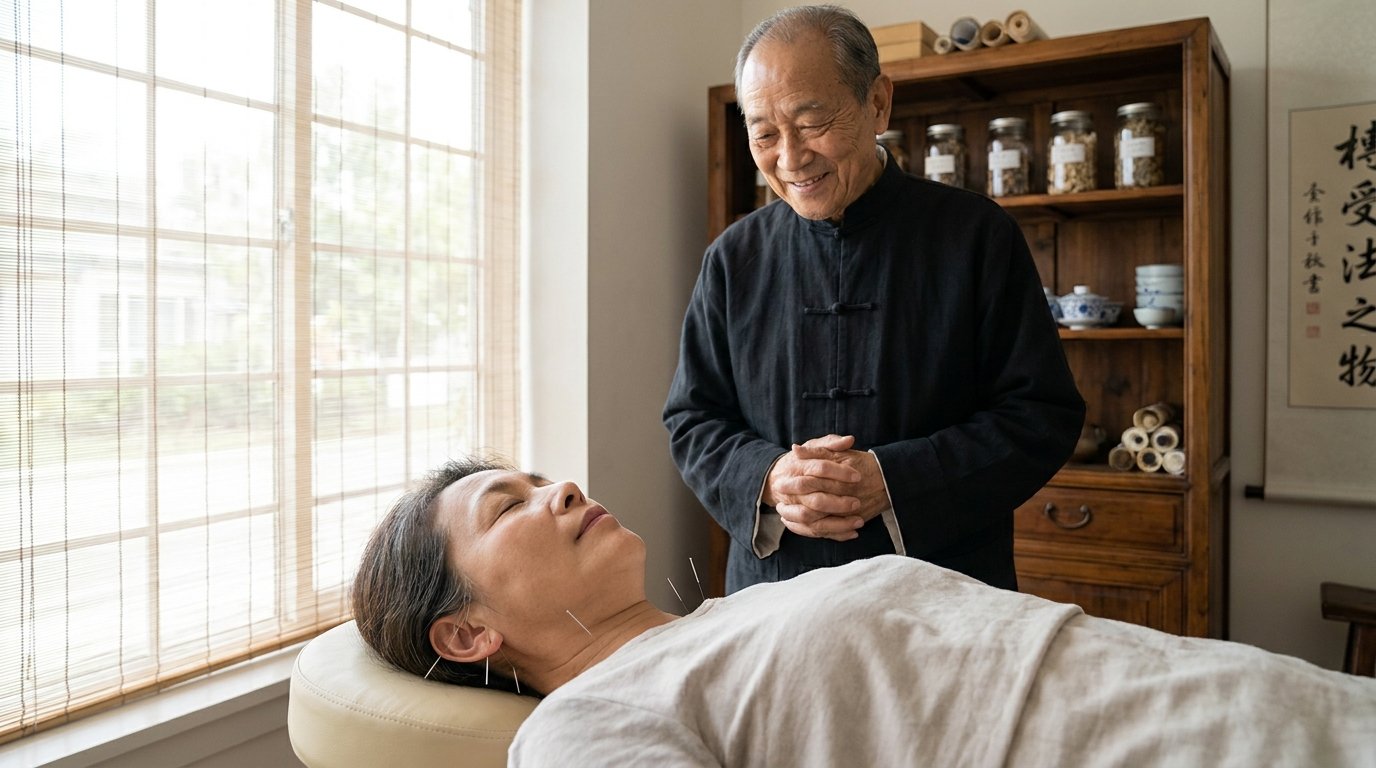
At Pulse Acupuncture, we recognize that both tinnitus and vertigo, while manifesting distinct symptoms, often originate from systemic imbalances within the body according to Traditional Chinese Medicine (TCM) principles. Our personalized approach integrates acupuncture, cupping, moxibustion, and lifestyle guidance to address the root causes rather than merely suppressing symptoms. We aim to restore the body’s natural energetic equilibrium, promoting profound and lasting relief.
A central tenet of our practice is the individualized assessment. Marina Doktorman, L.Ac., performs a comprehensive evaluation, including pulse and tongue diagnosis, to identify specific TCM patterns contributing to a patient’s condition. This allows for highly customized treatments that are often more effective than generalized approaches.
Acupuncture for Tinnitus and Vertigo
Acupuncture is a cornerstone of TCM, involving the insertion of fine needles at specific points along meridians to regulate the flow of Qi (vital energy) and blood. For tinnitus and vertigo, acupuncture aims to harmonize internal organs, reduce inflammation, improve local circulation, and calm the nervous system.
For instance, acupuncture for tinnitus often targets points related to Kidney and Liver meridians, as these organs are frequently implicated in auditory disorders in TCM. Similarly, acupuncture for vertigo often focuses on points that clear Phlegm and Dampness, calm the Liver, or nourish deficient Qi and Blood, depending on the specific TCM diagnosis.
A common professional mistake to avoid is treating all tinnitus or vertigo cases identically. A skilled practitioner recognizes the nuanced presentations. For example, pulsatile tinnitus often relates to Liver Yang Rising or Blood Stasis, requiring different point selections than non-pulsatile forms linked to Kidney Deficiency or Spleen Qi Deficiency. At Pulse Acupuncture, each treatment protocol is meticulously tailored.
TCM Pattern Differentiation for Tinnitus and Vertigo
TCM diagnostics categorize symptoms into distinct patterns of imbalance, offering a framework for targeted therapeutic strategies. For tinnitus and vertigo, common patterns include:
- Liver Yang Rising / Liver Fire Blazing: Often presents with sudden onset, severe symptoms, high-pitched tinnitus (like cicadas), spinning vertigo, headaches, irritability, and red complexion. This pattern indicates an excess of rising energy, often exacerbated by stress.
- Kidney Essence Deficiency: Characterized by gradual onset, low-pitched or faint tinnitus, chronic mild vertigo, poor memory, lumbar pain, and fatigue. This pattern signifies a fundamental energetic depletion, commonly associated with aging or chronic illness.
- Phlegm-Dampness Accumulation: Manifests with aural fullness, muffled hearing, heavy-headedness, constant mild vertigo, and a dull, buzzing tinnitus. This pattern suggests metabolic dysfunction leading to fluid retention and obstruction within the body.
- Qi and Blood Deficiency: Presents with mild, intermittent tinnitus that worsens with fatigue, lightheadedness rather than true spinning vertigo, and general weakness. This indicates insufficient vital substances to nourish the sense organs and brain.
By identifying these specific patterns, our practitioners can select the most appropriate acupuncture points, herbal formulas, and dietary recommendations to address the underlying disharmony, leading to more comprehensive and enduring symptomatic relief.
Comparative Analysis: Western Medicine vs. Traditional Chinese Medicine Approaches
Understanding the distinct paradigms of Western Medicine and Traditional Chinese Medicine (TCM) is essential for individuals seeking comprehensive care for tinnitus and vertigo. Both systems offer valuable insights and treatments, often complementing each other, though their diagnostic and therapeutic methodologies diverge significantly.
Western medicine typically employs a reductionist approach, focusing on identifying a specific pathological cause for symptoms, such as an infection, structural abnormality, or neurological disorder. Treatment often involves pharmaceutical interventions, surgical procedures, or targeted physical therapies. In contrast, TCM utilizes a holistic, energetic framework, viewing symptoms as manifestations of systemic imbalances in Qi, Blood, and Zang-Fu organ systems.
Here is a comparison:
| Feature | Western Medicine Approach | Traditional Chinese Medicine Approach |
|---|---|---|
| Diagnostic Focus | Identifies specific anatomical pathology (e.g., Meniere’s, tumor, infection) through imaging, audiology, blood tests. | Identifies energetic patterns of imbalance (e.g., Liver Yang Rising, Kidney Deficiency, Phlegm-Dampness) through pulse, tongue, and symptom analysis. |
| Primary Treatments | Medications (e.g., diuretics, corticosteroids, anti-vertigo drugs), surgery, vestibular rehabilitation therapy. | Acupuncture, herbal medicine, cupping, moxibustion, dietary therapy, lifestyle modifications. |
| Treatment Goal | Manage specific disease, reduce acute symptoms, prevent disease progression. | Restore energetic balance, strengthen inherent healing capacity, resolve root causes of disharmony, prevent recurrence. |
| Patient Perspective | Often focused on symptom suppression and specific disease management. | Emphasizes holistic well-being, self-healing, and understanding the body’s interconnectedness. |
While Western medicine excels in acute care and precise disease identification, TCM offers a profound understanding of chronic conditions and a patient-centered approach that integrates mind and body. At Pulse Acupuncture, we believe in leveraging the strengths of both, providing a robust alternative medicine pathway.
Practical Strategies and Exercises for Symptom Alleviation
Beyond clinical treatments, incorporating practical strategies and specific exercises can significantly contribute to managing both tinnitus and vertigo. These self-management techniques empower individuals to actively participate in their healing journey and mitigate daily symptom impact.
Lifestyle Modifications for Enhanced Well-being
Certain lifestyle adjustments can profoundly influence the severity and frequency of tinnitus and vertigo episodes. Adopting a holistic approach often yields the most beneficial outcomes.
- Stress Reduction: Chronic stress exacerbates many physiological conditions, including tinnitus and vertigo. Techniques such as mindfulness meditation, deep breathing exercises, and yoga can lower cortisol levels and calm the nervous system. Consider exploring resources on how to lower cortisol levels for profound impact.
- Dietary Adjustments: Certain foods and beverages can trigger or worsen symptoms. Reducing intake of caffeine, alcohol, high-sodium foods, and artificial sweeteners is often recommended. For individuals with Meniere’s disease, a low-sodium diet is a standard recommendation to manage fluid balance in the inner ear.
- Adequate Sleep: Insufficient sleep can heighten the perception of tinnitus and increase susceptibility to vertigo episodes. Establishing a consistent sleep schedule and optimizing the sleep environment are crucial.
- Avoidance of Triggers: Identifying and avoiding specific environmental or dietary triggers is paramount. This may include loud noises for tinnitus sufferers or quick head movements for those with positional vertigo.
- Regular, Moderate Exercise: Physical activity improves circulation and overall cardiovascular health, which can indirectly benefit inner ear function. However, strenuous exercise during acute vertigo episodes should be avoided.
These modifications, when consistently applied, create a supportive environment for the body to heal and reduce the frequency and intensity of symptoms.
Targeted Vertigo Exercises and Rehabilitation
For specific types of vertigo, particularly those originating from the vestibular system, targeted exercises can be highly effective in retraining the brain and improving balance. These exercises, often part of vestibular rehabilitation therapy, aim to habituate the brain to movements that typically provoke dizziness, thereby reducing symptom severity over time.
One well-known exercise is the Brandt-Daroff exercise, designed for individuals with Benign Paroxysmal Positional Vertigo (BPPV). This maneuver involves a series of specific head and body movements to reposition dislodged otoconia (calcium carbonate crystals) within the inner ear canals. It is important to perform these under the guidance of a trained professional initially to ensure correct technique and safety.
Other general vestibular exercises focus on improving gaze stabilization (maintaining visual focus during head movement), balance retraining (standing on unstable surfaces), and habituation (repeatedly performing movements that cause mild dizziness to desensitize the system). A meta-analysis published in the journal Laryngoscope in 2021 found that vestibular rehabilitation therapy significantly reduces the severity of dizziness and improves functional balance in patients with various vestibular disorders, with an average symptom reduction of 60-80% over several weeks.
Conclusion: Seeking Expert Care at Pulse Acupuncture

Tinnitus and vertigo, while distinct in their primary manifestation, frequently point to shared underlying dysfunctions, particularly within the delicate ecosystem of the inner ear. Their co-occurrence necessitates a comprehensive and precise diagnostic approach to uncover the specific etiology, whether it be Meniere’s disease, vestibular migraine, or another condition.
At Pulse Acupuncture, we are dedicated to providing individualized, holistic care for these challenging conditions. Marina Doktorman, L.Ac., employs a sophisticated understanding of Traditional Chinese Medicine to identify the unique patterns of imbalance contributing to each patient’s symptoms. Through customized acupuncture protocols, complementary therapies like cupping and moxibustion, and personalized lifestyle guidance, we aim not just for symptomatic relief but for a profound restoration of systemic balance.
If you are experiencing persistent tinnitus, recurrent vertigo, or both, we encourage you to seek expert evaluation. Early and precise intervention is crucial for optimal outcomes. Contact Pulse Acupuncture today to schedule a consultation and embark on your path to lasting relief and enhanced well-being. Our commitment is to offer a safe, painless, and effective alternative to managing complex auditory and vestibular disorders.
FAQ
What is the primary connection between tinnitus and vertigo?
Tinnitus and vertigo do not directly cause each other but are often linked by shared underlying conditions affecting the inner ear or vestibular system. These structures, responsible for hearing and balance, are anatomically close, meaning a dysfunction in one can often impact the other. Common conditions include Meniere’s disease, vestibular migraine, and labyrinthitis.
Can stress exacerbate both tinnitus and vertigo?
Yes, stress is a significant factor that can exacerbate both tinnitus and vertigo symptoms. Chronic psychological stress can disrupt the nervous system’s regulatory functions, increase inflammation, and affect blood flow, thereby intensifying the perception of tinnitus and potentially triggering or worsening vertigo episodes. Managing stress through relaxation techniques and lifestyle adjustments is crucial.
What are some common TCM patterns associated with co-occurring tinnitus and vertigo?
In Traditional Chinese Medicine, co-occurring tinnitus and vertigo are often associated with patterns such as Liver Yang Rising, which manifests with high-pitched tinnitus and severe spinning vertigo; Kidney Essence Deficiency, characterized by low-pitched tinnitus and chronic mild dizziness; and Phlegm-Dampness Accumulation, presenting with aural fullness and heavy-headedness. Diagnosis is personalized at Pulse Acupuncture.
Are there specific exercises recommended for vertigo?
Yes, specific exercises, often part of vestibular rehabilitation therapy, can be highly effective for certain types of vertigo, particularly Benign Paroxysmal Positional Vertigo (BPPV). Examples include the Brandt-Daroff and Epley maneuvers, which aim to reposition inner ear crystals. General vestibular exercises focus on improving gaze stabilization and balance retraining. These should be performed under professional guidance.
How does acupuncture address tinnitus and vertigo?
Acupuncture addresses tinnitus and vertigo by targeting specific energetic imbalances in the body according to TCM principles. It involves inserting fine needles at precise points to regulate Qi and blood flow, reduce inflammation, calm the nervous system, and harmonize organ systems like the Liver and Kidney. This personalized approach aims to resolve the root cause of symptoms, providing holistic relief.