

What is inflammation?
Inflammation is your body’s response to something harmful, like an injury, infection, or irritant. It’s part of how your immune system protects you. When something goes wrong, your immune system sends out specialized cells to fight the problem and trigger the healing process.
You may notice inflammation on the outside of your body as redness, swelling, heat, pain, or even loss of function. That’s how your body says, “Something’s not right here, and we’re working on it.” For example, if you twist your ankle, it swells up. That swelling is inflammation helping your body recover.
But inflammation isn’t always visible. It can happen inside the body too, in joints, organs, or even blood vessels. This type can go unnoticed for a long time and become harmful if it doesn’t stop when it should. There is also long-term (chronic) inflammation. It can be caused by a variety of issues, including arthritis, heart disease, and even digestive problems.
In short, inflammation helps protect you, but when it’s there for too long or happens in the wrong place, it can do more harm than good.

Types of Inflammation: Acute vs. Chronic
Acute inflammation is your body’s quick response to injury or illness, and usually lasts a few hours to days. It helps the body heal and then fades. Chronic inflammation persists for months or years, hence the name. It happens when the body keeps sending inflammatory signals even when there’s no threat, which can cause joint pain, fatigue, and long-term health problems.
Causes of Inflammation
- Infections and injuries. Your body naturally produces inflammation to fight germs or heal damaged tissue.
- Low physical activity. Being inactive for long periods can slow metabolism and increase inflammatory processes.
- Chronic stress. Constant stress keeps stress hormones too high, which can trigger ongoing inflammation.
- Excess body weight. Particularly, visceral fat around the abdomen can produce inflammatory chemicals.
- Gut imbalance (dysbiosis). Too many harmful gut bacteria and not enough beneficial ones can trigger inflammation.
- Inflammatory diet. Eating too much sugar, processed foods, refined carbs, salt, or trans fats can keep inflammation active.
- Poor sleep or disrupted circadian rhythm. Not sleeping well can affect the immune and hormonal systems.
- Exposure to toxins. Polluted air, certain chemicals, pesticides, and industrial pollutants can irritate the body internally.
- Smoking. Tobacco introduces chemicals that trigger inflammation in tissues and blood vessels.
- Heavy alcohol use. Drinking too much can damage tissues and irritate the immune system, causing chronic inflammation.

Can Acupuncture Help With Inflammation
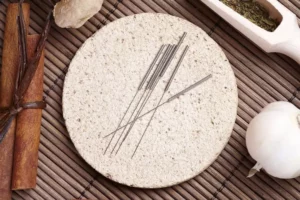
Acupuncture for inflammation helps reduce it by triggering the body’s natural recovery systems. It regulates immune activity, lowering pro-inflammatory chemicals while increasing anti-inflammatory ones. This helps calm chronic inflammation. It also improves blood flow, delivering nutrients and removing waste more efficiently, which can help with tissue repair and reducing local inflammation.
It also helps your body relax and lowers stress hormones, such as cortisol, which often cause inflammation. It also triggers the release of endorphins, which ease pain and calm down the nervous system.
Acupuncture Points and Their Relevance to Inflammation
Here are the most common acupuncture points to reduce inflammation:
- ST36 (Zusanli). Located below the knee, this point supports immune function, improves digestion, and calms inflammation throughout the body.
- LI4 (Hegu). On the hand, between the thumb and index finger, this point reduces pain and helps regulate the immune response.
- LI11 (Quchi). Located at the outer elbow crease, it’s used to clear heat and reduce systemic inflammation, especially in the skin or joints.
- SP6 (Sanyinjiao). Above the inner ankle, it supports hormonal balance and circulation, and is often used for inflammatory conditions in the lower abdomen and pelvis.
- GB34 (Yanglingquan). Located on the outer leg below the knee, it targets inflammation in the muscles and joints, especially helpful for arthritis.
- LR3 (Taichong). On the top of the foot between the big toe and second toe, this point helps regulate stress, which is often a trigger for chronic inflammation.
- BL40 (Weizhong). Behind the knee, this point is used for lower back pain and muscle tension that may be caused by inflammation.
- KI3 (Taixi). Located near the inner ankle, it’s used to support adrenal and kidney function, which can help regulate long-term inflammation.
- PC6 (Neiguan). On the inner forearm, this point is often used to calm the nervous system and treat stress-related inflammation.
Inflammatory Conditions Acupuncture Can Help With
- Rheumatoid arthritis. Acupuncture for arthritis may ease joint pain, stiffness, and swelling by calming inflammation.
- Fibromyalgia. Acupuncture for fibromyalgia can help with ongoing pain, tiredness, and poor sleep.
- Crohn’s / Ulcerative colitis. Acupuncture for Crohn’s disease may reduce gut flare-ups, discomfort, and digestive inflammation.
- Acid reflux / GERD. Acupuncture for acid reflux can help with heartburn and calm down the digestive system.
- Asthma / Allergies. May support easier breathing and lower how often symptoms show up.
- Thyroid issues (Hashimoto’s / Graves’). Might help with fatigue, anxiety, and other symptoms tied to thyroid issues.
Why Acupuncture Is an Effective Solution for Managing Inflammation
Acupuncture for inflammation is a simple, drug-free way to feel better. It works by improving blood circulation, helping the immune system, and lowering stress. It all can help with inflammation. People use it for things like joint pain, gut issues, allergies, and more.
It’s also a good option if stress or poor sleep is making things worse. For example, acupuncture for allergies may help with symptoms by calming the body’s reaction over time.
If you’re looking for a safe place to try this, Pulse Acupuncture is available in Clifton, NJ, and Williamsburg, Brooklyn. Marina Doktorman, L.Ac., and her team offer gentle, supportive care for inflammation. If you need acupuncture in Brooklyn or acupuncture in Clifton, they’re here to help.