

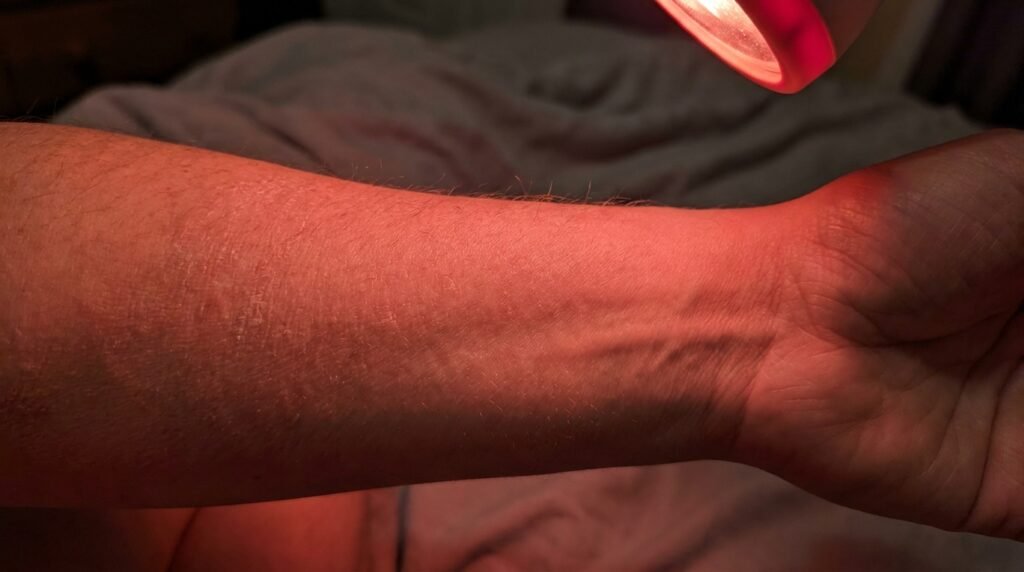
For individuals seeking innovative, non-invasive modalities to manage eczema, red light therapy (RLT), also known as photobiomodulation (PBM), presents a compelling and increasingly evidence-based therapeutic option. RLT effectively addresses the multifaceted pathology of eczema by attenuating inflammation, modulating immune responses, and promoting dermal repair at a cellular level. Its mechanism involves specific wavelengths of red and near-infrared light penetrating the epidermis to stimulate mitochondrial function, thereby enhancing cellular energy production and facilitating intrinsic healing processes.
At Pulse Acupuncture, we recognize the profound impact of chronic conditions like eczema on an individual’s quality of life. Marina Doktorman, L.Ac., employs a holistic and customized approach, integrating advanced techniques such as RLT with traditional acupuncture and Chinese medicine principles to provide comprehensive relief. This synergistic method not only targets visible symptoms but also addresses underlying systemic imbalances. While RLT offers significant promise for mitigating eczema symptoms and improving skin integrity, it functions optimally as part of a well-rounded treatment strategy tailored to individual patient needs, potentially alongside professional acupuncture sessions to regulate the body’s internal environment. We recommend a personalized consultation to determine the optimal integration of RLT and other modalities for your specific eczema presentation.
The Efficacy of Red Light Therapy for Eczematous Conditions
Red light therapy exerts beneficial effects on eczematous conditions primarily through its cellular impact, stimulating mitochondrial activity within skin cells. This enhancement leads to increased adenosine triphosphate (ATP) production, providing the necessary energy for cellular repair and regeneration. The precise wavelengths, typically between 630-700 nm for red light and 800-850 nm for near-infrared light, are absorbed by chromophores in the mitochondria, initiating a cascade of photobiological responses that are crucial for mitigating eczema symptoms.
A significant benefit of RLT is its potent anti-inflammatory action. Eczema is fundamentally an inflammatory skin disorder, characterized by redness, swelling, and pruritus. RLT helps to reduce inflammatory cytokines, such as TNF-alpha and IL-6, while simultaneously elevating anti-inflammatory mediators. This contributes to a noticeable reduction in skin erythema and irritation. Furthermore, RLT has demonstrated a capacity to modulate immune system responses, which are often dysregulated in eczema patients. It can influence immune cells, promoting a shift towards a more balanced immune state, thereby reducing the hypersensitivity characteristic of allergic skin conditions.
Beyond inflammation and immune modulation, red light therapy actively promotes skin barrier repair. Eczema compromises the skin barrier, rendering it more susceptible to irritants and allergens. RLT stimulates fibroblast proliferation and enhances the synthesis of collagen and elastin, essential proteins for maintaining skin structure and integrity. This improvement in barrier function helps to retain moisture, protect against external aggressors, and reduce trans-epidermal water loss. According to the National Eczema Association, over 31 million Americans live with some form of eczema, highlighting the significant need for effective, non-pharmacological interventions like RLT to support dermal health.
Integrating Photobiomodulation for Dermatological Wellness
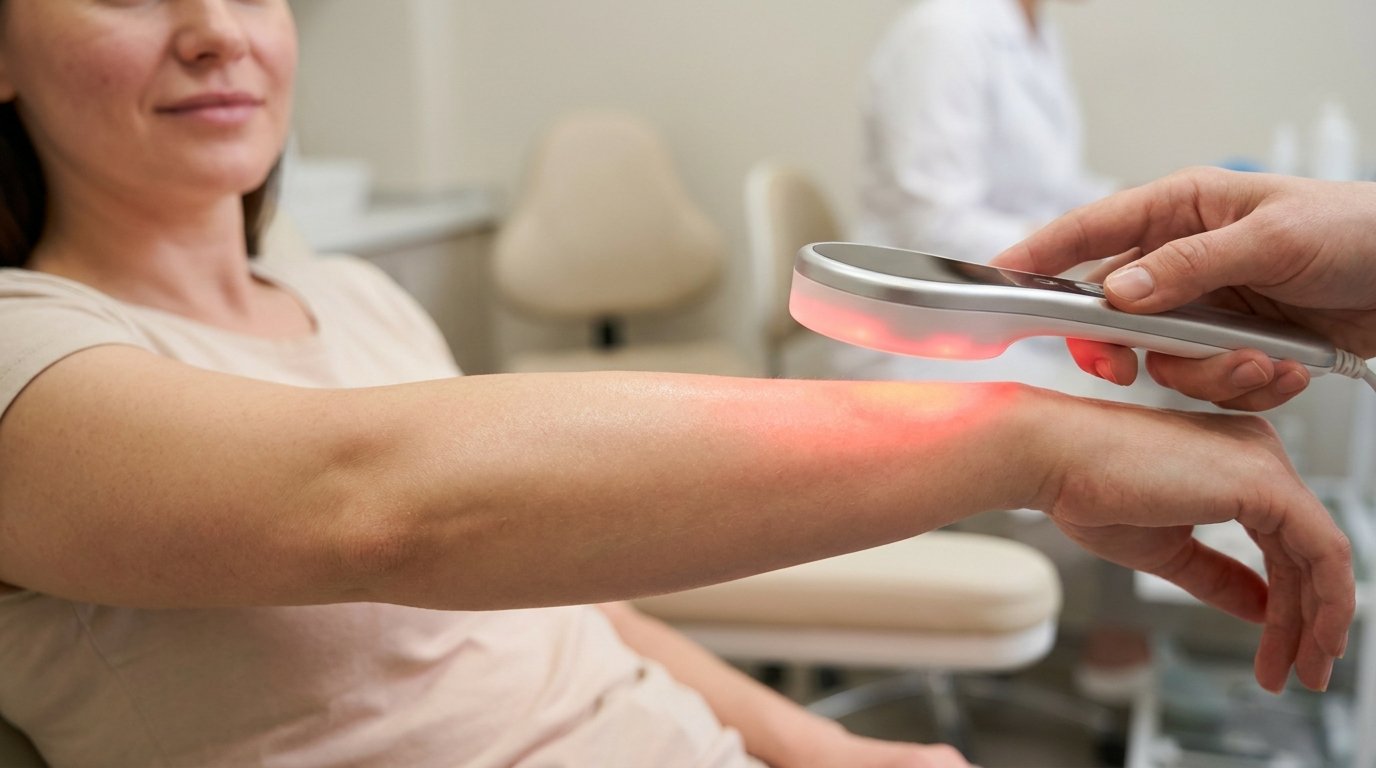
Integrating photobiomodulation (PBM), specifically red and near-infrared light therapy, into a dermatological wellness regimen offers a non-ablative approach to enhance skin health beyond symptom management. The therapeutic effects are highly dependent on the specific wavelengths utilized and the parameters of the treatment. Red light (e.g., 630-670 nm) typically targets superficial skin layers, effective for epidermal repair, surface inflammation, and collagen production. Near-infrared light (e.g., 800-850 nm) penetrates deeper into the dermal and subcutaneous tissues, addressing underlying inflammation, cellular regeneration, and pain relief, making it particularly valuable for more profound eczematous lesions.
Treatment protocols for eczema with RLT typically involve consistent, short sessions. A common regimen might include 10-20 minute sessions, three to five times per week, over several weeks or months, depending on the severity and chronicity of the condition. The cumulative effect of regular exposure is crucial for sustained improvement. Professional treatments at a clinic often utilize higher-powered, calibrated devices that ensure optimal irradiance and consistent delivery, which can yield more predictable and profound results.
While at-home devices offer convenience and accessibility, careful consideration of their specifications is paramount. The efficacy of an at-home unit hinges on its wavelength accuracy, power output (irradiance), and coverage. Inferior devices may not deliver sufficient energy to elicit the desired therapeutic response, leading to suboptimal outcomes. For instance, a quality full-body red light therapy panel typically provides an irradiance of 100 mW/cm² or higher, ensuring adequate cellular penetration, whereas many consumer-grade handheld devices offer significantly lower power. Professional red light therapy sessions at clinics often cost between $30 and $100 per session, with packages offering reduced rates, reflecting the specialized equipment and expertise involved. Conversely, at-home red light therapy devices typically range from $80 to $500 for handheld units, while larger panels can cost upwards of $1,000 to $2,500. This investment disparity often correlates with device power and overall effectiveness.
Red Light Therapy and Traditional Chinese Medicine: A Synergistic Approach
Red light therapy aligns remarkably well with the holistic principles of Traditional Chinese Medicine (TCM), offering a synergistic approach to address the complexities of eczema. In TCM, eczema is not merely a skin condition but a manifestation of underlying systemic imbalances, often categorized as patterns such as Damp-Heat, Wind-Heat, or Blood Deficiency. These patterns disrupt the body’s vital energy (Qi) and Blood circulation, leading to symptoms like redness, itching, and dryness.
From a TCM perspective, RLT can be conceptualized as a modern method to warm channels, disperse stagnation, and enhance the circulation of Qi and Blood at the cellular level, particularly within the skin’s superficial layers. The anti-inflammatory effects of RLT complement TCM strategies aimed at clearing Heat and resolving Dampness, which are primary pathogenic factors in many eczema presentations. By promoting cellular regeneration and improving skin barrier function, RLT supports the restoration of healthy skin, which TCM would view as an improved flow of Defensive Qi (Wei Qi) to protect the exterior.
At Pulse Acupuncture, Marina Doktorman, L.Ac., leverages this synergy by integrating RLT into personalized treatment plans. For instance, a patient presenting with eczematous lesions characterized by intense itching and redness (TCM Wind-Heat) might receive acupuncture at specific points to clear internal Heat and calm Wind, while RLT simultaneously works to reduce local inflammation and accelerate skin healing. Similarly, for chronic, dry, and scaly eczema (TCM Blood Deficiency), RLT’s ability to boost collagen and repair skin barrier function complements acupuncture’s role in nourishing Blood and Yin. This comprehensive strategy ensures both internal imbalances and external symptoms are addressed effectively. Our dedicated Acupuncture for Eczema services exemplify how integrated care can achieve superior, lasting results, moving beyond superficial symptom management to profound healing.
Practical Application: How to Use Red Light Therapy for Eczema Safely and Effectively
Effective and safe application of red light therapy for eczema requires a thoughtful approach, beginning with a professional consultation. Prior to commencing any RLT regimen, it is crucial to consult with a qualified healthcare practitioner, such as Marina Doktorman, L.Ac., or a dermatologist, to ascertain the suitability of RLT for your specific eczema type and overall health status. This ensures that RLT integrates seamlessly with any existing treatments and addresses potential contraindications, such as certain photosensitizing medications or severe underlying conditions.
Selecting an appropriate device is paramount for optimal results. For targeted treatment of eczematous patches, smaller, handheld red light devices might suffice, while widespread eczema often necessitates larger panels or full-body systems. Key specifications to evaluate include the wavelength output (ensuring it falls within the therapeutic red and near-infrared spectrum), irradiance (power output measured in mW/cm²), and pulse rate capabilities. High-quality devices offer precise control over these parameters, allowing for customized and effective treatments. An expert recommendation is to avoid devices that do not specify their irradiance or claim excessively broad spectrums without supporting data, as these often lack the therapeutic power required for significant physiological effects.
Once a suitable device is chosen, consistent application is vital. Most protocols suggest sessions lasting 10-20 minutes per affected area, typically 3-5 times weekly. Position the device at the recommended distance, usually between 6 to 12 inches from the skin, to ensure optimal light penetration. It is imperative to protect your eyes during RLT sessions, especially when using powerful devices; specialized protective eyewear is often supplied or should be purchased separately. Monitor your skin’s response closely; while RLT is generally well-tolerated, any signs of increased irritation or discomfort warrant discontinuation and re-evaluation by your practitioner. Regular re-assessment of your eczema by a professional will help tailor the treatment duration and intensity for sustained benefit.
| Feature | Red Light Therapy (RLT) | Conventional Topical Steroids | Acupuncture |
|---|---|---|---|
| Mechanism of Action | Stimulates cellular mitochondria, reduces inflammation, enhances skin repair via specific light wavelengths. | Suppresses immune response and inflammation by binding to glucocorticoid receptors. | Balances Qi, Blood, and internal organ function; modulates nervous and immune systems. |
| Primary Benefits for Eczema | Reduces redness, itching, promotes skin barrier repair, non-invasive, minimal side effects. | Rapid reduction of inflammation and itching, effective for acute flares. | Addresses root causes, reduces stress, modulates immune system, provides lasting relief without pharmaceutical side effects. |
| Potential Side Effects | Minimal; temporary redness or warmth, rarely eye strain if unprotected. Generally very safe. | Skin thinning (atrophy), striae, telangiectasias, perioral dermatitis, systemic absorption with prolonged use. | Minimal; minor bruising or soreness at needle sites, rare infection with improper technique. |
| Typical Application/Frequency | 10-20 minute sessions, 3-5 times per week for several weeks/months. | Applied once or twice daily during flares, tapering frequency with improvement. | Weekly to bi-weekly sessions initially, then less frequently for maintenance. |
| Cost Range (Approximate) | Devices: $80-$2500; Professional Sessions: $30-$100 per session. | Prescription costs vary, often covered by insurance. Over-the-counter options are inexpensive. | Sessions: $75-$150 per session, often covered by insurance or package deals. |
| Integration Potential | Highly complementary with acupuncture and topical emollients. | Can be used alongside RLT and acupuncture, but long-term reliance is discouraged. | Complements RLT and can reduce reliance on topical steroids. |
Beyond Eczema: Other Dermatological and Systemic Benefits of Red Light Therapy
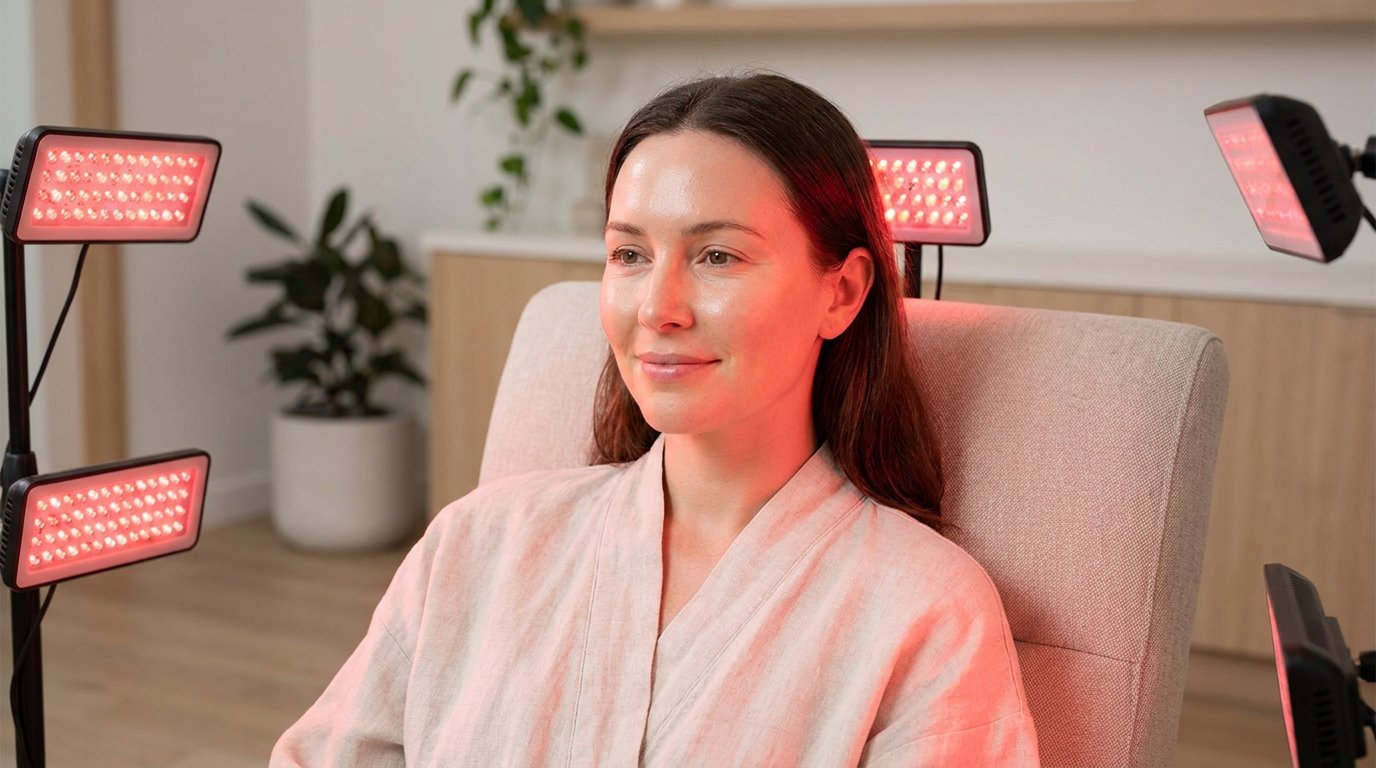
While red light therapy demonstrates significant promise for eczema, its therapeutic utility extends across a broad spectrum of dermatological and systemic conditions due to its fundamental cellular benefits. The mechanism of enhancing mitochondrial function and reducing oxidative stress translates into widespread positive effects on various tissues. This includes notable efficacy in promoting collagen and elastin production, contributing to skin rejuvenation, fine line reduction, and overall improvement in skin texture and tone.
Beyond cosmetic applications, RLT is highly effective in accelerating wound healing. It stimulates cellular proliferation, enhances blood flow, and reduces inflammation at the wound site, leading to faster tissue repair and minimized scarring. For conditions such as acne, RLT’s anti-inflammatory and bactericidal properties contribute to reducing lesions and promoting clearer skin. Furthermore, its capacity to alleviate pain, particularly musculoskeletal pain and neuropathic discomfort, makes it a valuable adjunct for conditions like fibromyalgia or arthritis. The calming effects of RLT on the nervous system can also assist in managing conditions exacerbated by stress, such as general anxiety or chronic fatigue.
While the primary focus of this discussion has been on dermatological applications, it is important to acknowledge other areas where RLT is explored. For instance, the topic of “red light therapy for weight loss” is distinct from its benefits for eczema. While RLT may support metabolic function and reduce inflammation, which indirectly contributes to overall well-being, its direct role as a primary weight loss intervention requires more specific research and should not be conflated with its proven dermatological benefits. At Pulse Acupuncture, our focus remains on evidence-based, holistic treatments that directly address the patient’s primary health concerns.
FAQ
What is red light therapy, and how does it work for eczema?
Red light therapy, or photobiomodulation (PBM), utilizes specific wavelengths of red and near-infrared light to stimulate cellular activity. For eczema, it works by penetrating the skin to boost mitochondrial function, which reduces inflammation, modulates immune responses, and promotes skin barrier repair, leading to decreased redness, itching, and improved skin integrity.
Does red light therapy help with all types of eczema?
Red light therapy has shown promise for various types of eczema, particularly those with significant inflammation and barrier dysfunction, such as atopic dermatitis. However, its effectiveness can vary depending on the specific type, severity, and individual response. A consultation with a qualified practitioner is essential to determine its suitability for your condition.
How often should one use red light therapy for eczema?
Typical protocols suggest using red light therapy for eczema 3 to 5 times per week, with sessions lasting between 10 to 20 minutes per affected area. Consistency is key, and treatment duration often spans several weeks to months to achieve and maintain optimal results.
Are there any side effects or risks associated with red light therapy for eczema?
Red light therapy is generally considered safe with minimal side effects when used correctly. Potential mild side effects may include temporary redness or warmth in the treated area. It is crucial to wear eye protection during sessions and to consult a healthcare provider for any contraindications or concerns.
Can red light therapy be combined with other eczema treatments?
Yes, red light therapy can often be safely and effectively combined with other eczema treatments, including traditional Chinese medicine modalities like acupuncture and topical emollients. It is vital to coordinate all treatments with your healthcare provider to ensure a cohesive and synergistic approach to managing your eczema.
What is the typical cost of red light therapy for eczema?
The cost of red light therapy for eczema varies significantly. At-home handheld devices can range from $80 to $500, while larger, more powerful panels may cost $1,000 to $2,500. Professional clinic sessions typically range from $30 to $100 per session, often with discounts available for package deals.