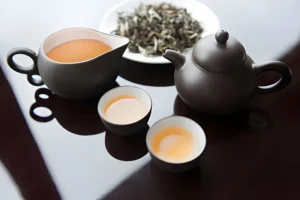

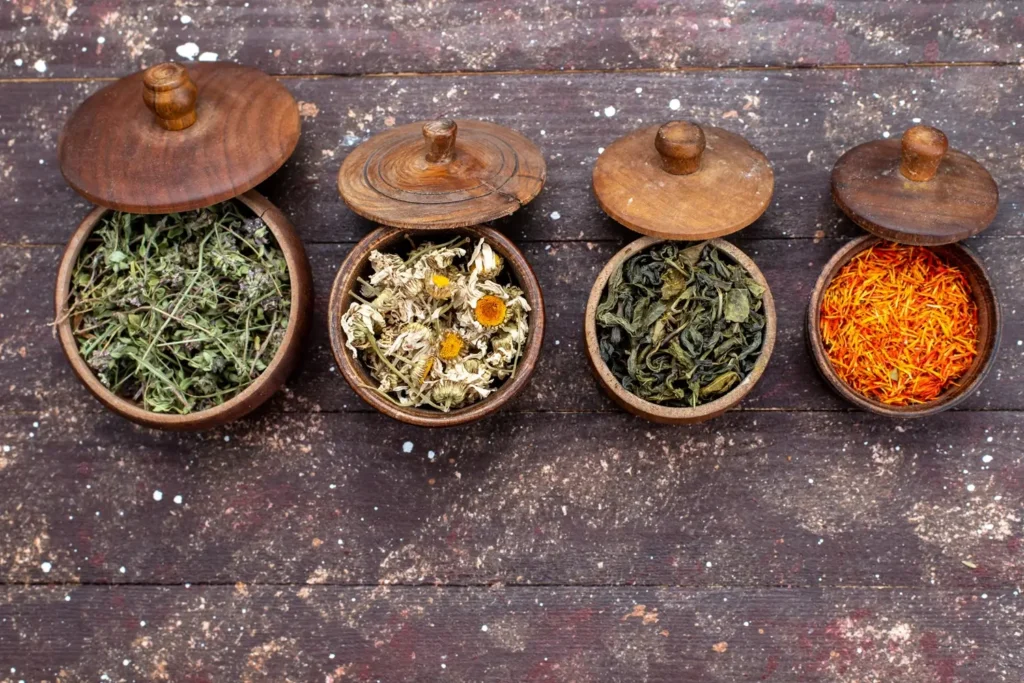
Memory and brain health are influenced by many factors, including sleep, stress, aging, nutrition, and overall health. Several herbs have been studied for their potential to support memory, attention, focus, and other aspects of cognitive function. Among the better-known examples are Ginkgo biloba, Bacopa monnieri, Lion’s Mane mushroom, and ginseng, although the amount and quality of research varies from one herb to another.
Research has explored how different herbs may affect processes related to brain health, including oxidative stress, inflammation, circulation, and neuronal signaling. Some studies have reported promising findings, while others have produced mixed or limited results. Herbal supplements should therefore be viewed as a potential complementary approach to brain health rather than a proven treatment for memory disorders or conditions such as dementia.
Traditional Chinese Medicine takes a broader, individualized approach to cognitive health. In TCM theory, memory and mental clarity are traditionally considered in relation to concepts such as Kidney Jing and Heart Shen, as well as factors including sleep, stress, digestion, and overall balance. Not all of the herbs discussed in this article come from Chinese medicine; they represent several traditional herbal systems. Below, we look at both their traditional uses and what modern research says about their potential role in memory and brain health.
What Does Research Say About Herbs for Memory and Brain Health?
Modern research has investigated a number of herbs for their potential effects on memory, attention, learning, and other aspects of cognitive function. However, the amount and quality of evidence varies considerably from one herb to another. Ginkgo biloba, Bacopa monnieri, rosemary, and curcumin from turmeric are among the herbs that have been studied in human clinical research, although findings are not uniformly positive.
Research findings can also depend on the specific preparation, extract, dosage, treatment duration, and population studied. For example, a systematic review of randomized controlled trials found some evidence that Bacopa monnieri may improve aspects of memory, particularly free recall, but the authors noted that research remains limited and that differences in extracts, doses, and study designs make it difficult to draw definitive conclusions.
It is also important to distinguish laboratory or animal research from evidence in humans. An herb may demonstrate antioxidant, anti-inflammatory, or neuroprotective activity in preclinical research without producing a meaningful improvement in memory or cognitive function in people. Research on curcumin illustrates this distinction: although laboratory studies have identified mechanisms of interest, evidence for its effects on cognition in humans remains limited and inconsistent.
For this reason, herbs for memory should be viewed as a potential complementary approach to overall brain health rather than as proven treatments for memory disorders. Current evidence does not establish that herbal supplements can prevent or slow dementia or Alzheimer’s disease. In particular, large clinical studies have found that Ginkgo biloba did not reduce the incidence of dementia or Alzheimer’s disease, while NCCIH notes that there is no conclusive evidence that Ginkgo prevents or slows cognitive decline.
Anyone experiencing persistent, worsening, or unexplained memory problems should seek appropriate medical evaluation rather than relying on supplements alone.
How Herbs May Support Memory and Brain Health
Researchers are studying herbs for memory and brain health because some contain compounds that may influence biological processes relevant to cognitive function. These include antioxidant activity, inflammatory pathways, circulation, and factors such as stress and sleep that can affect attention and mental performance. However, a biological mechanism observed in laboratory research does not necessarily translate into a measurable improvement in memory in humans.
Antioxidant Activity and Oxidative Stress
Some herbs contain compounds with antioxidant properties that have been studied for their potential effects on oxidative stress and cellular health. Curcumin, for example, has demonstrated antioxidant and anti-inflammatory activity in preclinical research, which is one reason it has been investigated for potential cognitive benefits. However, these laboratory findings do not by themselves establish that curcumin improves memory or prevents cognitive decline in humans.
Inflammation and Brain Health
Inflammatory pathways are another area of interest in research on herbal compounds and brain health. Some herbs have been studied for their potential effects on these pathways, but evidence varies considerably between individual herbs and preparations. Research into these mechanisms can help explain why certain plants are being investigated, but it should not be interpreted as proof of a clinical benefit for memory.
Circulation and Cognitive Function
Adequate blood flow is important for normal brain function, which is why researchers have investigated whether certain herbs may influence vascular function or cerebral circulation. Ginkgo biloba, for example, has been studied extensively in relation to cognitive function and blood flow, but clinical evidence has not established that it reliably prevents or slows cognitive decline.
Stress, Sleep, and Mental Performance
Memory and concentration can also be affected by stress, mood, and sleep quality. Some herbs are being studied for their potential effects on these factors, which could indirectly influence perceived focus and mental performance. However, an herb’s effect on stress or sleep should not automatically be interpreted as a direct treatment for memory problems.
Overall, these mechanisms help explain why certain herbs are being investigated for brain health, but they do not prove that an herb will improve memory. The strength of evidence should always be evaluated for the specific herb, preparation, dose, and health outcome being studied.
Top Herbs for Memory and Brain Health
Several herbs have been studied for their potential effects on memory, attention, focus, and other aspects of cognitive function. However, the available evidence varies considerably between herbs, and traditional use does not necessarily mean that a herb has been proven to improve memory in clinical studies.
The herbs below come from several traditional medical systems, including Traditional Chinese Medicine, Ayurveda, and Western herbal medicine. For each herb, we distinguish between its traditional use, the aspects of brain health researchers have investigated, and the current strength of the available evidence.
The table provides a quick overview before we explore each herb in more detail. Evidence levels are intended as a general guide to the available research rather than a clinical rating, and findings may differ depending on the specific preparation, dosage, population, and health outcome studied.
| Herb | Potential Brain Health Benefits | What Research Focuses On | Evidence Level | Traditional Use |
|---|---|---|---|---|
| Ginkgo Biloba | Cognitive function and circulation | Memory, attention, age-related cognitive changes | Mixed / inconclusive | Chinese medicine |
| Bacopa Monnieri | Aspects of memory, particularly free recall | Memory performance and cognitive function | Some evidence | Ayurvedic medicine |
| Gotu Kola | Cognitive function and mental performance | Memory, attention, and cognitive function | Limited | Ayurvedic and traditional Asian medicine |
| Rosemary | Memory and cognitive performance | Memory, attention, and mental performance | Limited | Western herbal medicine |
| Ashwagandha | Stress-related cognitive health | Stress, memory, attention, and cognitive function | Limited / emerging | Ayurvedic medicine |
| Rhodiola Rosea | Mental performance and fatigue-related cognition | Mental fatigue, attention, and cognitive performance | Limited | Traditional herbal medicine |
| Sage | Memory and cognitive performance | Memory, attention, and cognitive function | Limited | Traditional European herbal medicine |
| Lion’s Mane Mushroom | Nerve health and cognitive function | Memory and neurological health | Preliminary | Traditional Chinese medicine |
| Peppermint | Alertness and attention | Attention, alertness, and cognitive performance | Limited | Traditional herbal medicine |
| Turmeric (Curcumin) | Cognitive health and inflammatory pathways | Cognition, oxidative stress, and inflammation | Limited / mixed | Ayurvedic and Chinese medicine |
| Ginseng | Cognitive function and mental performance | Attention, memory, and cognitive function | Mixed | Chinese and Korean traditional medicine |
| Lemon Balm | Stress-related attention and cognitive performance | Stress, mood, memory, and cognition | Limited | Traditional European herbal medicine |
How Traditional Chinese Medicine Views Memory and Brain Health
Traditional Chinese Medicine (TCM) views memory and mental clarity within a broader framework of the body’s overall balance. Traditional theory considers concepts such as Kidney Jing, Heart Shen, Spleen Qi, Qi, and Blood when assessing cognitive symptoms. These concepts belong to the TCM framework and should not be interpreted as direct equivalents of modern anatomical or physiological structures.
Memory, Jing, and Shen in TCM
In TCM theory, Kidney Jing is traditionally associated with development, aging, and aspects of memory, while Heart Shen is associated with consciousness, mental activity, and emotional wellbeing. Practitioners consider these concepts together with symptoms such as sleep problems, stress, fatigue, or digestive concerns when assessing an individual’s overall pattern.
The Chinese Medicine Body Clock
TCM also uses a traditional 24-hour body clock in which different two-hour periods are associated with particular organ systems and meridians. The timing of recurring symptoms, including sleep disruption, may be considered as part of a broader TCM pattern assessment.
This traditional model differs from modern circadian biology, which describes biological 24-hour rhythms involved in sleep, hormones, and other physiological processes.
Why Chinese Herbal Medicine Is Individualized
TCM does not traditionally select a single herb simply because it is marketed for memory. Practitioners consider the person’s overall pattern, including symptoms, sleep, stress, digestion, energy, and other factors. This means that there is no single TCM herb that is universally considered “the best” for memory. The herbs below come from several traditional systems, including Chinese, Ayurvedic, and Western herbal medicine, and we distinguish their traditional uses from the evidence available from modern research.
1. Ginkgo Biloba
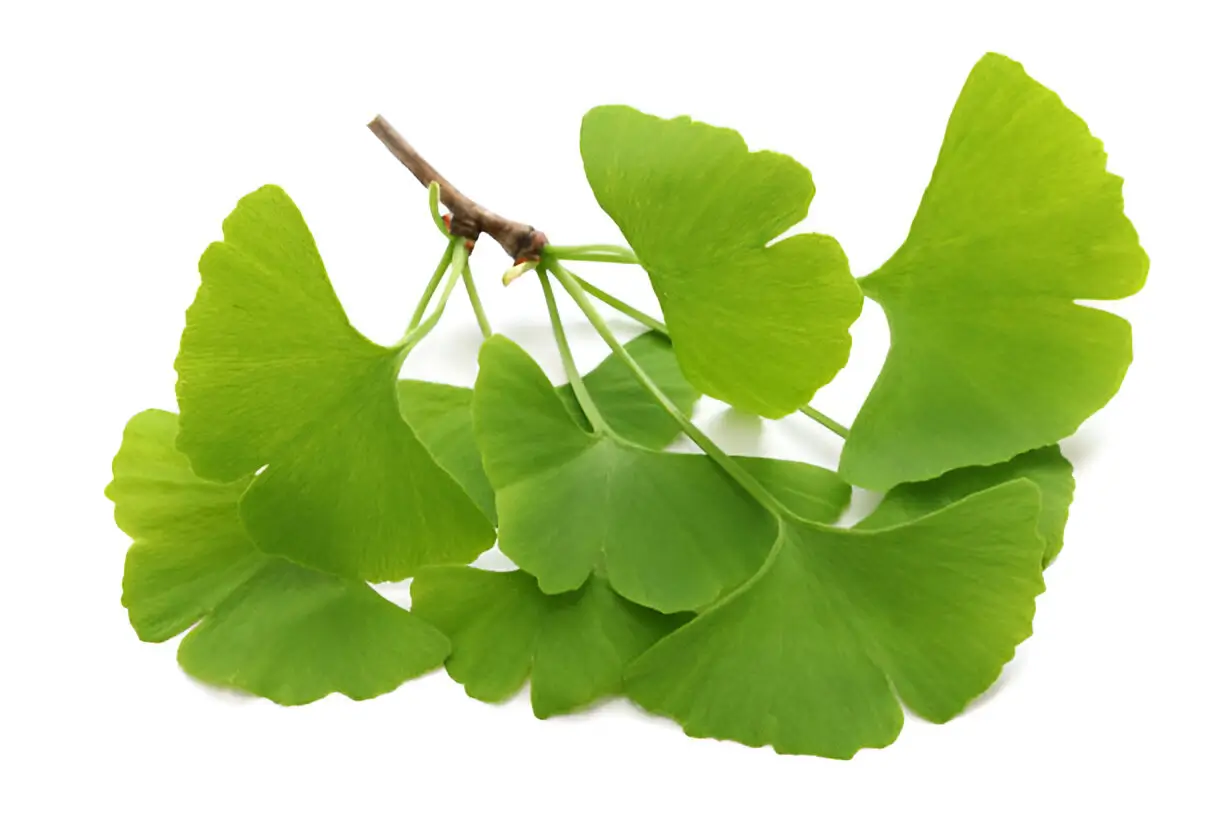
Ginkgo biloba is a popular herb for memory people use to help with memory and focus. It helps blood flow better to the brain, which means your brain gets more oxygen and nutrients. Some use it when they feel mentally foggy, have trouble concentrating, or notice memory isn’t as sharp with age. It’s also sometimes used for mild mood issues or early memory problems. You can take ginkgo as tea, drops, or capsules – usually up to three times a day. A lot of people like it as a natural way to stay mentally clear.
2. Bacopa Monnieri
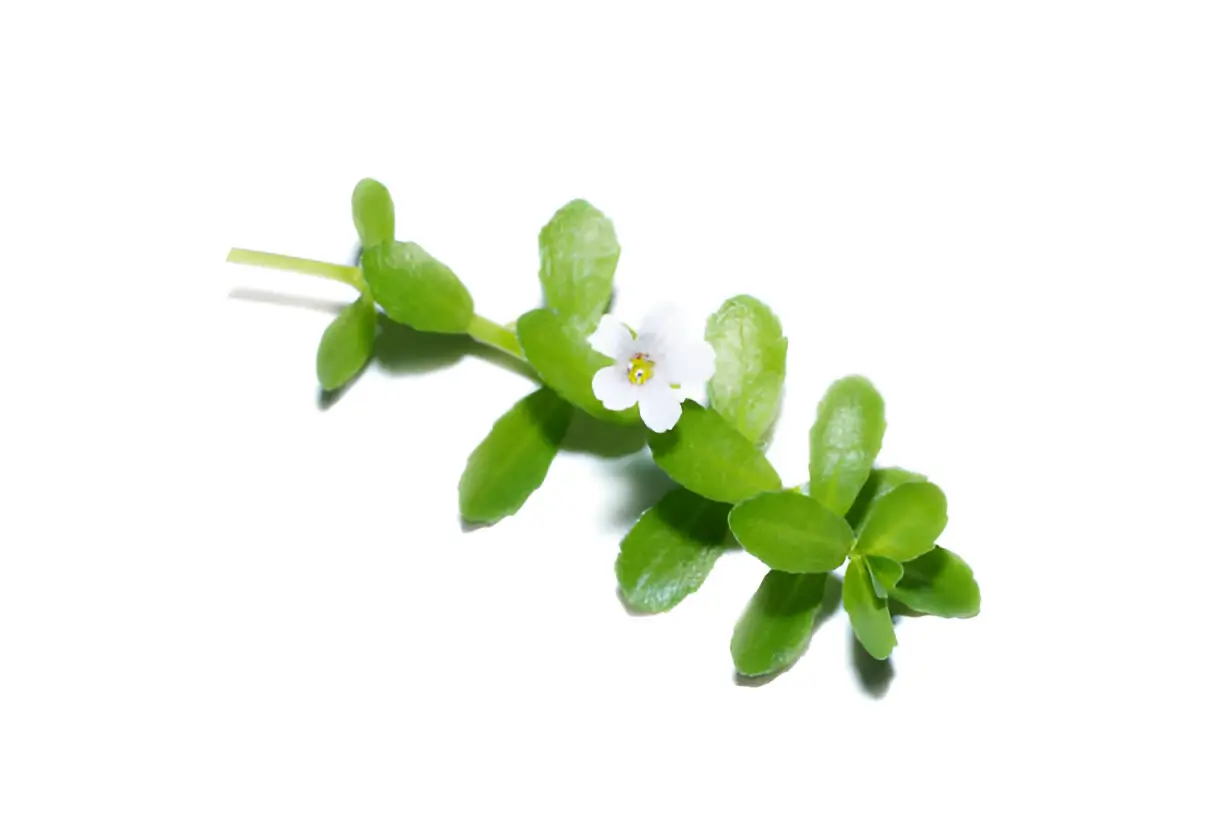
Bacopa monnieri, also called Brahmi, is an herb people use to support brain health. It can help improve memory, focus, and make you think clearer. Some also take it to ease stress, calm anxiety, and support attention – especially helpful for people suffering from ADHD. It has lots of antioxidants, which protect your brain from damage over time. You can take it as tea, capsules, or drops, and people drink it up to three times a day. It’s often used as a natural way to stay sharp without harsh side effects.
3. Gotu Kola
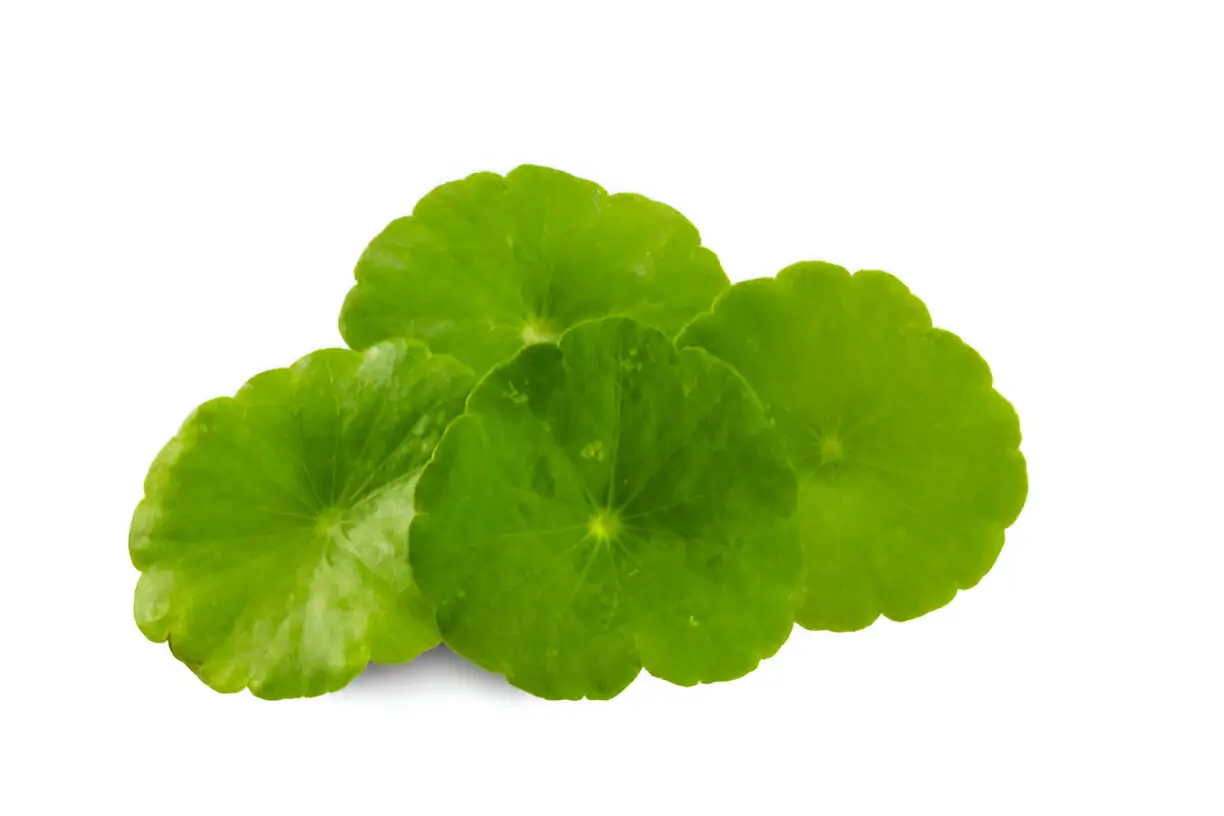
Gotu Kola is an herb used in both Ayurvedic and Chinese medicine to support memory and brain function. Some call it the “herb of longevity” because it can protect brain cells from damage and help with focus and mental clarity. It can also improve blood flow, which can help the brain work better. People use it to support brain health as they age. You can drink it as a tea, take it as a capsule, or use a liquid extract – usually up to three times a day.
4. Rosemary
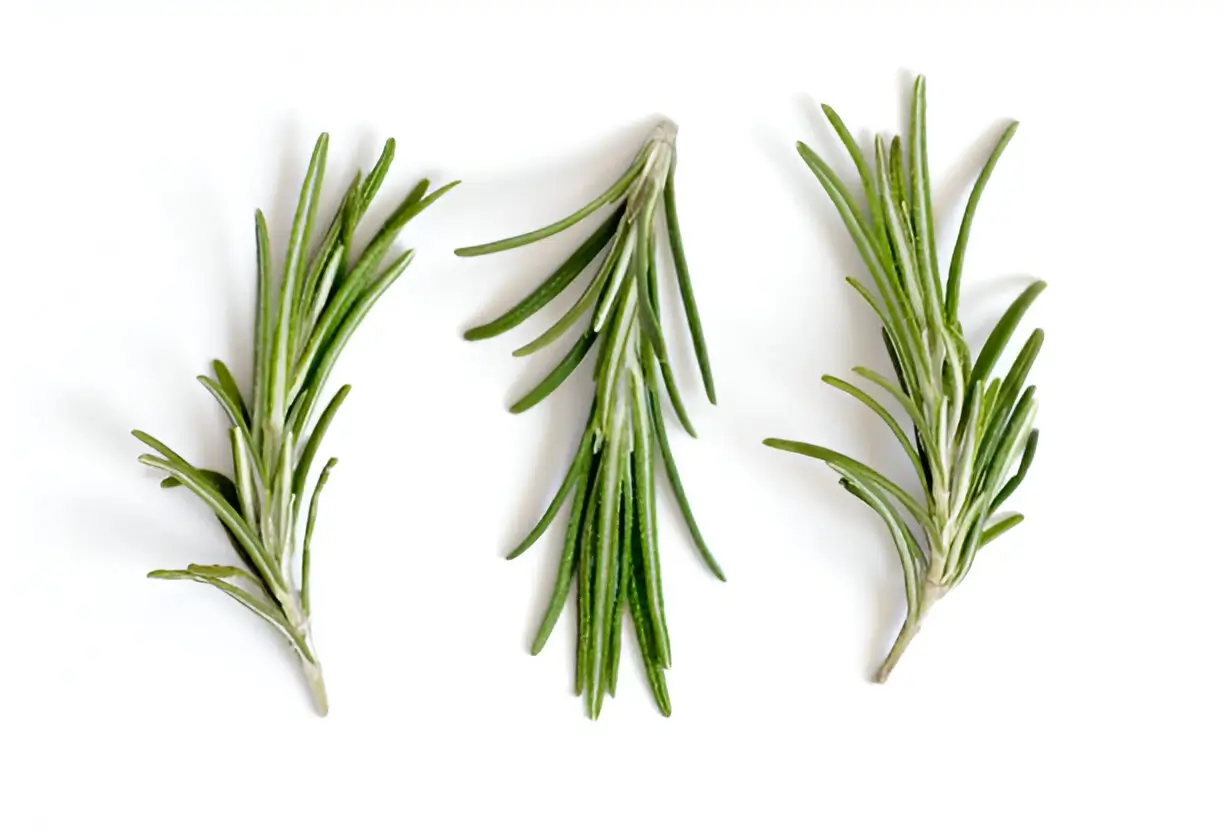
Rosemary is an herb that can be good for your brain. It helps get more blood flowing to your brain and may protect it from damage caused by stress or toxins. Even just smelling rosemary can potentially increase focus, mood, and memory. You can add dried rosemary to food or brew it as tea. The essential oil can be used in a diffuser or mixed with other oils and put on your skin. For a stronger dose, people take it as a capsule or liquid extract.
5. Ashwagandha
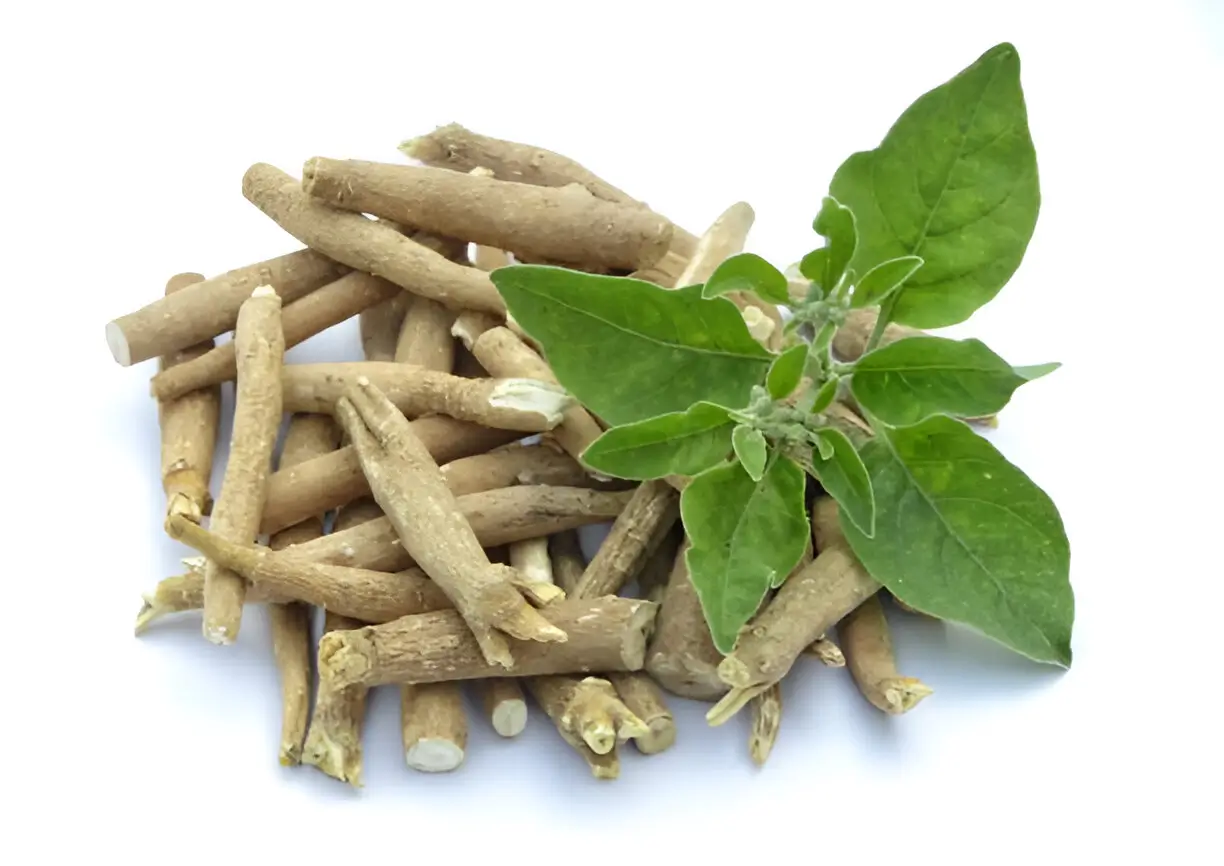
Ashwagandha, also called Indian ginseng or winter cherry, is an old herbal medicine remedy used for centuries in Ayurvedic medicine. It can help the brain stay sharp by protecting it with natural antioxidants. People take it to boost memory, focus, and thinking speed – especially if they feel foggy or mentally tired. Some research even shows it can help with attention and processing information more clearly. You’ll usually find ashwagandha in capsule, powder, or tea form, and many use it to feel more balanced during stress or burnout.
6. Rhodiola Rosea
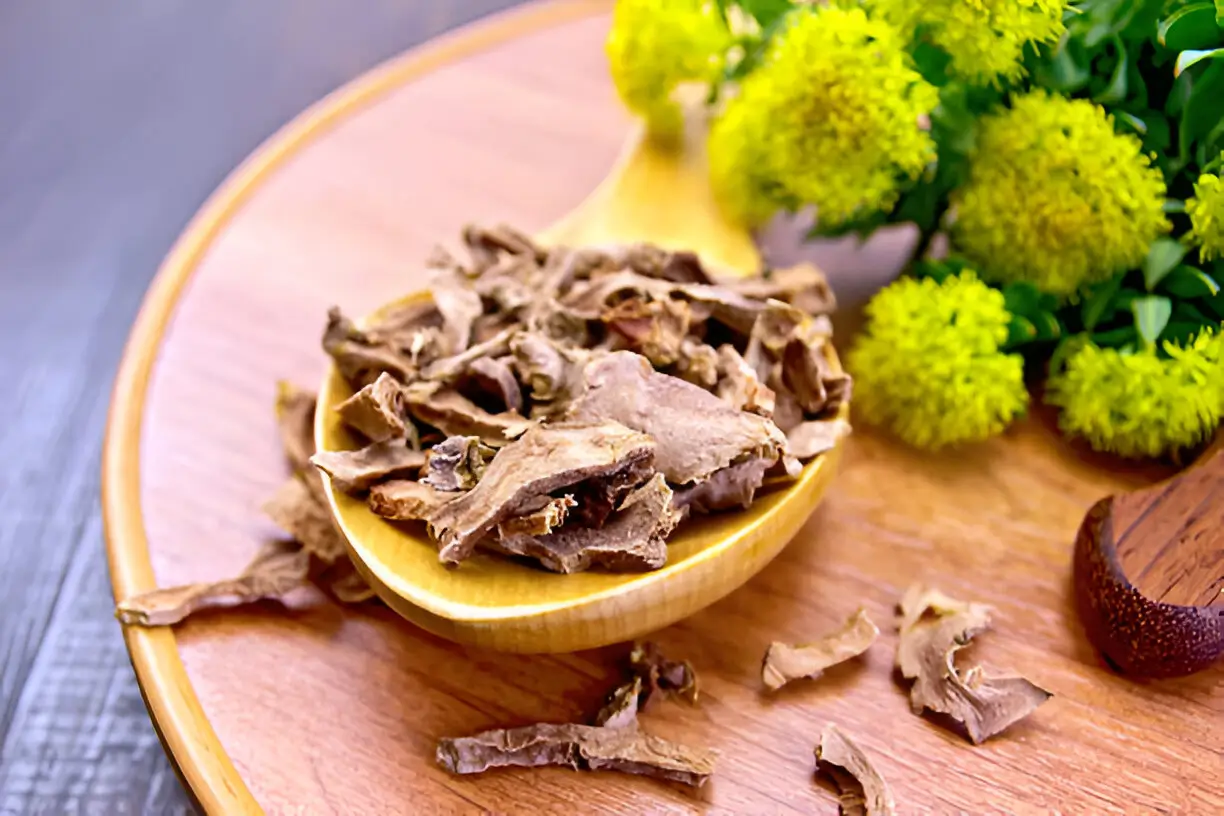
Rhodiola Rosea is a root that grows in colder places like certain parts of Europe and Asia. People have used it for a long time in traditional medicine. It’s an adaptogen, which means it can help your body handle stress better. Some people use it when they’re feeling tired, overwhelmed, or mentally foggy, hoping it gives them a bit more energy and focus. You’ll usually find it in supplement form. Though the science behind its brain-boosting effects is still pretty limited.
7. Sage
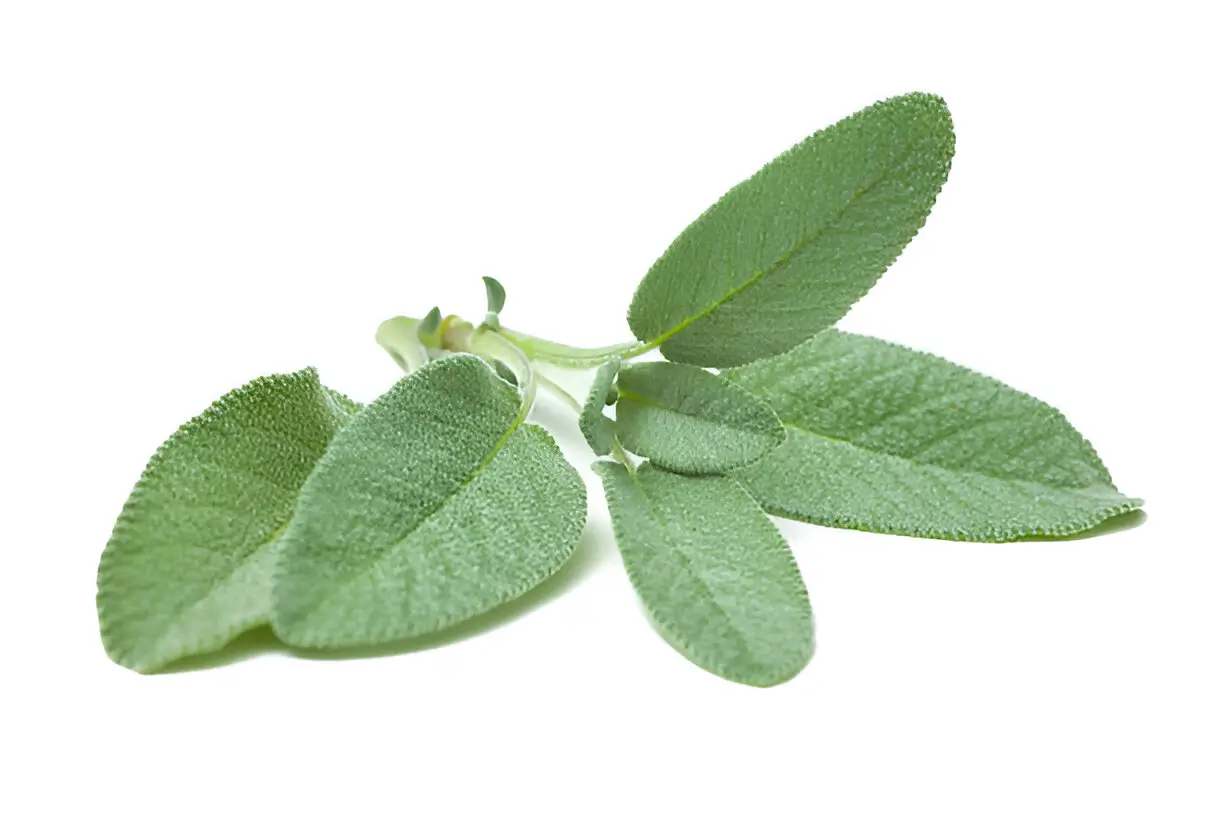
People use Sage to support memory and focus. It can also help slow down memory loss, especially in older adults or those with Alzheimer’s. It seems to work by helping the brain keep more of a chemical called acetylcholine, which is important for remembering things. You can use sage in your cooking, drink it as tea, or take it as a supplement. It’s easy to add to your day and might make a real difference over time.
8. Lion’s Mane Mushroom
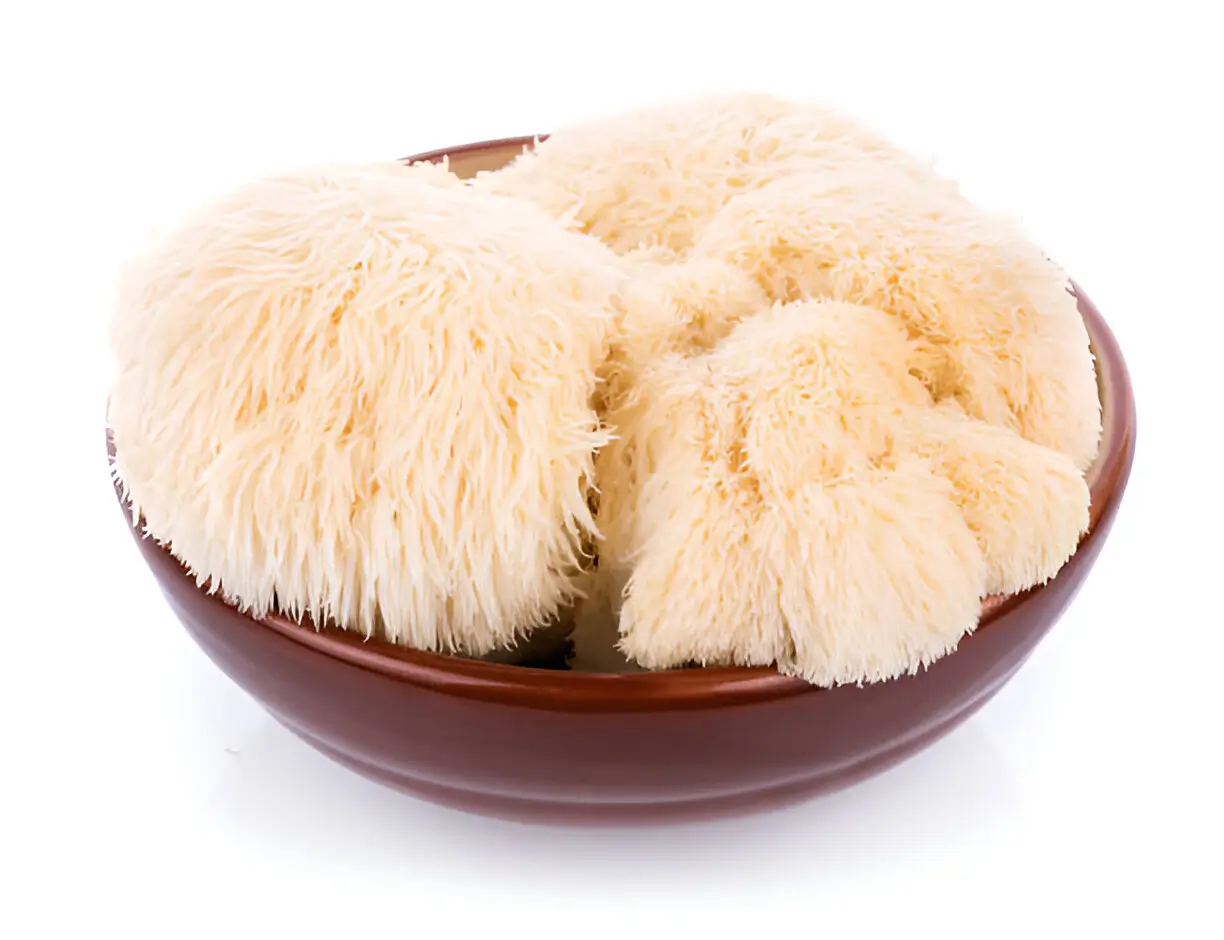
Lion’s Mane is a white, shaggy-looking mushroom that’s been used for centuries in traditional Chinese medicine. Today it’s used to help with memory, focus, and overall brain function. It may also support nerve healing and mental sharpness. You’ll often find it as a supplement or in tea form. Most people can take it without any problems, though a few may get mild stomach issues like nausea or discomfort. Consult your healthcare provider or herb practitioner before choosing this herb.
9. Peppermint
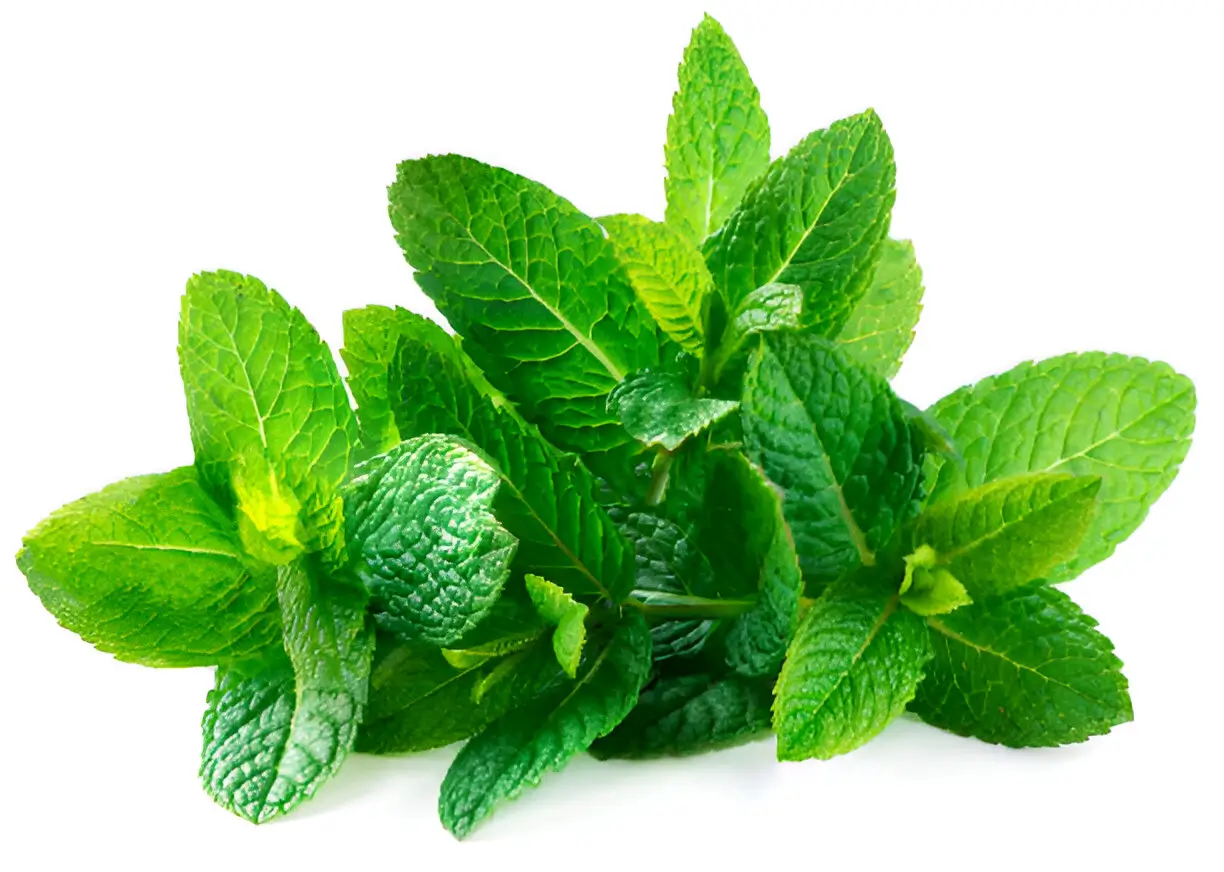
Peppermint is often used to help with focus, energy, and tired thinking. Just the smell of it can make you feel more awake and help you concentrate better. People also drink peppermint tea or use the oil to relax, ease headaches, or calm their nerves. It can help loosen up tight muscles and get blood flowing more smoothly, which helps the brain work better. You can sip it, breathe it in, or rub a little oil on your skin when you need a quick mental boost during the day.
10. Turmeric (Curcumin)
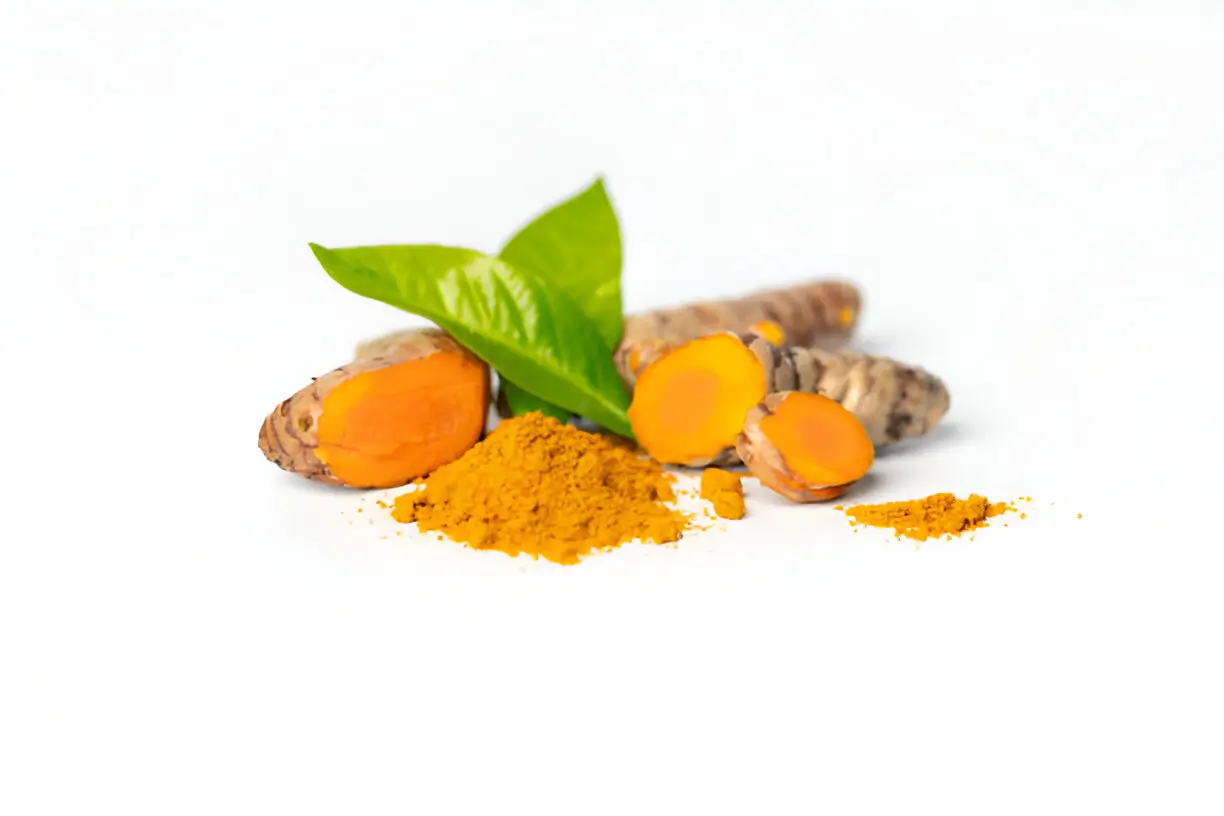
Turmeric is a yellow-orange root that’s often used in cooking, but it also has health benefits. The main compound in turmeric, curcumin, helps protect brain cells and lower inflammation. It may also help with memory and brain function, especially as we age. You can get turmeric by adding it to your meals, brewing it as a tea, or taking it as a supplement to support brain health and reduce damage from stress in the body.
11. Ginseng
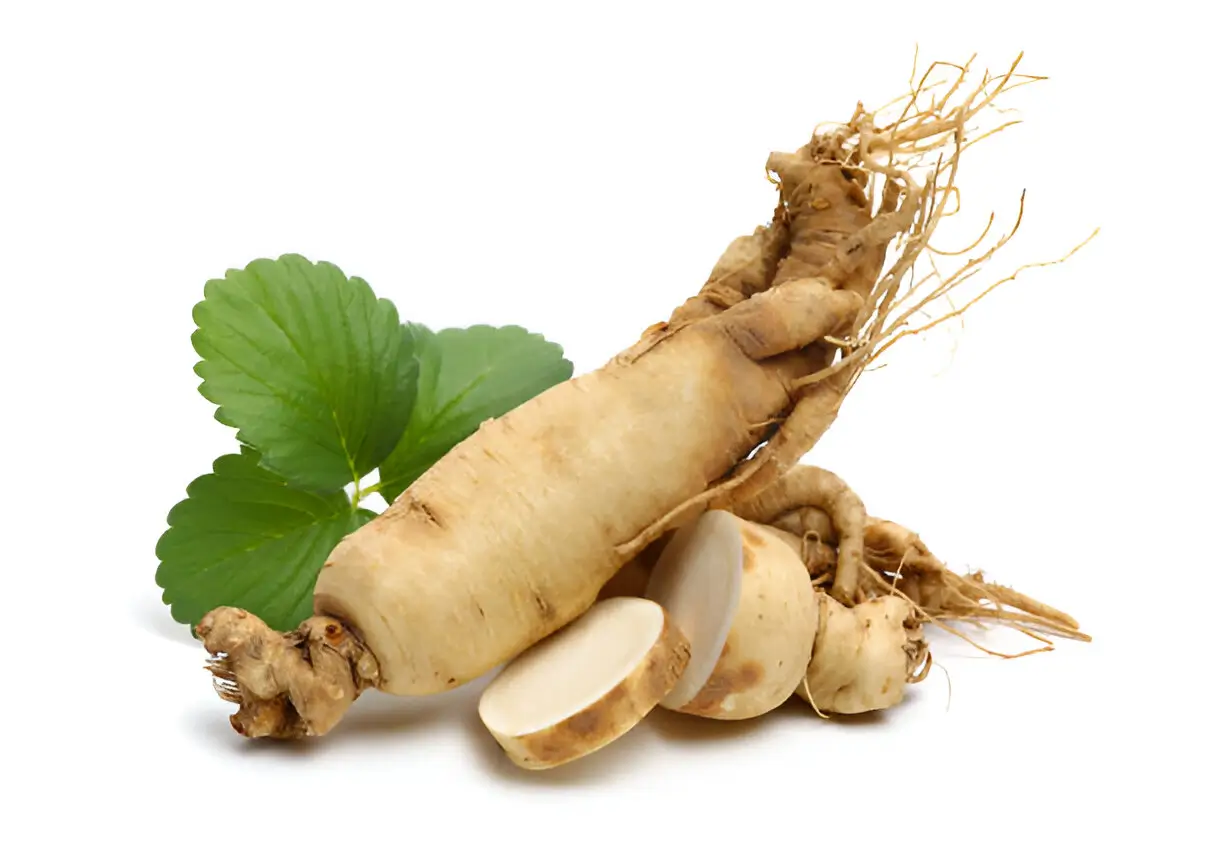
Ginseng is a popular herb people use to support memory and keep their brain working well as they age. It has natural compounds called ginsenosides, which may help calm inflammation in the brain. It may also lower beta-amyloid levels – something that builds up in the brain and may lead to memory issues like those seen in Alzheimer’s. Many people drink ginseng tea or take it in capsules or drops to stay focused and clear-headed, especially as they get older.
12. Lemon Balm

Lemon balm is a calming herb that many people drink as tea to relax, sleep better, or ease anxiety. It may also help with memory and mental clarity. One of its key ingredients, called rosmarinic acid, helps protect brain cells by fighting inflammation and stress in the body. Taking 500 mg of lemon balm each day can potentially slow down memory problems in older adults – especially those without high blood pressure. It’s generally safe to use daily.
Best Ways to Take Herbs for Memory
Taking herbs for focus and memory can be helpful, but it’s important to use them wisely. Just because something is natural doesn’t always mean it’s safe or effective for everyone if used without proper dozing and professional advice. Everyone’s body reacts differently, so start slow and pay attention to how you feel.
Stick to the recommended amounts and be aware that herbs for memory loss can interact with medications or other supplements. Always check with a healthcare provider before choosing any new herbs for brain power. The best way to take herbs is with care, professional support, and a plan that fits your specific health needs.
Potential Side Effects and Precautions
Herbal supplements can offer various benefits, it’s important to be aware of potential side effects and precautions:
- Digestive Issues. Some herbs for brain, like ginseng or turmeric, can cause stomach upset, bloating, or diarrhea – especially in higher doses or when taken on an empty stomach.
- Allergic Reactions. Herbs for brain health like sage or lemon balm may trigger allergic responses in certain people. Symptoms might include skin rashes, itching, or even breathing difficulties in rare cases.
- Drowsiness or Fatigue. Herbs for brain function like lemon balm and ashwagandha can cause sedation or tiredness, especially when combined with other calming medications or supplements. Avoid taking them before activities that require full alertness.
- Blood Pressure Changes. Rhodiola and ginseng may affect blood pressure. People with high or low blood pressure – or those on medication – should consult a doctor before use.
- Hormonal Changes. Some herbs for memory and focus may influence hormones. For example, ginseng may not be suitable for people with hormone-sensitive conditions.
- Drug Interactions. Herbs for mental clarity like turmeric, sage, and ginseng can interact with medications like blood thinners, antidepressants, and anti-anxiety drugs, which could increase side effect risks or reduce drug effectiveness.
- Not Safe for Everyone. Pregnant or breastfeeding women, children, and people with certain medical conditions should be especially cautious. Many herbs for cognitive function haven’t been tested well enough in these groups.
- Quality and Purity Issues. Herbal supplements aren’t always regulated like prescription drugs. Poor-quality products might contain contaminants or not match what’s on the label. Always choose trusted brands and look for third-party testing when possible.
Conclusion
Herbs for memory and focus like ginseng, turmeric, sage, and lion’s mane may help with memory and brain health, but they’re not magic fixes. Some people feel a difference, others don’t – it really depends on your body. Just because something is natural doesn’t always mean it’s right for you. If you’re thinking about trying herbs, especially alongside other treatments or medications, it’s best to check with a healthcare provider first.
At Pulse Acupuncture, we offer more than herbs, but also evidence-based care designed to help both body and mind. Are you in need of acupuncture in Brooklyn or acupuncture in Clifton? Our team provides customized treatments to meet all your health needs. Massage therapy, acupuncture for back pain, even acupuncture for addiction – we focus on real solutions that help you feel and function better. If you’re ready in need of acupuncture that really makes you feel better – reach out to Pulse Acupuncture today.
Read also: