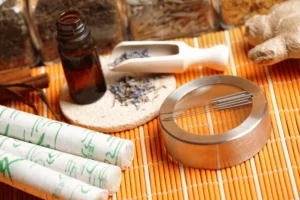


For expectant mothers seeking a safe, non-pharmacological approach to manage the various physical and emotional changes of gestation, acupuncture presents a highly beneficial complementary therapy. At Pulse Acupuncture, Marina Doktorman, L.Ac., provides expertly administered prenatal acupuncture, offering profound relief for a spectrum of pregnancy-related conditions. Our customized treatments prioritize both maternal and fetal well-being, utilizing traditional Chinese medicine (TCM) techniques tailored to each individual’s unique needs and stage of pregnancy. We emphasize a painless approach to healing, ensuring treatments are not only effective but also comfortable. Choosing a licensed practitioner with specialized experience in reproductive and prenatal health, such as Marina Doktorman, L.Ac., is paramount to ensuring the highest standards of safety and efficacy. Our holistic solutions support a healthier, more comfortable pregnancy journey, mitigating symptoms from morning sickness and back pain to anxiety and insomnia.
Key takeaways regarding acupuncture during pregnancy:
- Acupuncture provides a safe, non-pharmacological option for managing numerous pregnancy symptoms.
- Safety relies critically on selecting a qualified, licensed acupuncturist experienced in prenatal care.
- Specific acupuncture points are avoided during different trimesters to ensure maternal and fetal well-being.
- A personalized approach tailors treatments to individual maternal needs and pregnancy stage.
- Acupuncture can significantly enhance overall prenatal comfort and support a healthy gestation.
Always consult with your obstetrician or healthcare provider before commencing any new complementary therapy during pregnancy. While acupuncture is generally considered safe, integrated care ensures the best outcomes for both mother and baby.
Is Acupuncture Safe During Pregnancy? A Comprehensive Guide from Pulse Acupuncture

Yes, acupuncture is generally considered a profoundly safe and beneficial complementary therapy throughout pregnancy when performed by a licensed and experienced practitioner. At Pulse Acupuncture, our foremost commitment is to the safety and well-being of both mother and developing fetus. We understand the unique physiological changes and sensitivities inherent in pregnancy, which necessitates a meticulous approach to treatment planning and point selection. Our practitioners possess specialized training in prenatal care, ensuring that every session adheres to rigorous safety protocols and individualized care standards.
The efficacy and safety of acupuncture in pregnancy are supported by a growing body of evidence. For instance, a systematic review and meta-analysis published in the journal BMC Complementary Medicine and Therapies indicated that acupuncture is a safe and effective treatment for common pregnancy-related conditions, including nausea and vomiting. This scientific consensus underscores its potential as a valuable adjunct to conventional prenatal care. The National Center for Complementary and Integrative Health (NCCIH), a division of the U.S. National Institutes of Health, also recognizes acupuncture as a generally safe therapy when administered by trained practitioners. These authoritative perspectives reinforce the validity of acupuncture as a supportive modality during gestation, offering a holistic approach to pregnancy.
Our approach at Pulse Acupuncture involves a detailed intake process to thoroughly assess your health history, current pregnancy status, and specific concerns. This comprehensive evaluation guides our selection of acupuncture points, ensuring that treatments are precisely tailored to your unique condition and trimester. We adhere strictly to the use of sterile, single-use, disposable needles, minimizing any risk of infection. Furthermore, our practitioners are proficient in identifying and avoiding points that are contraindicated during certain stages of pregnancy, such as those that might stimulate uterine contractions or affect fetal positioning prematurely.
Benefits of Acupuncture for Pregnancy Support

Acupuncture offers a comprehensive and holistic approach to managing common prenatal discomforts and promoting maternal well-being, often significantly reducing the reliance on pharmaceuticals. Pregnancy brings a multitude of physiological adjustments, and many individuals experience symptoms that can detract from their quality of life. For example, approximately 75% of women experience morning sickness, and between 50-80% report significant back or pelvic pain during pregnancy, highlighting the pervasive nature of these issues. Acupuncture effectively addresses these prevalent concerns by restoring balance within the body’s energy systems, known as Qi in Chinese medicine.
Our tailored acupuncture treatments at Pulse Acupuncture provide substantial relief across various prenatal challenges:
- Alleviating Morning Sickness and Nausea: Acupuncture targets specific points, such as Pericardium 6 (P6), to calm gastric distress, reduce vomiting frequency, and diminish the severity of nausea. This intervention offers a non-pharmacological option for profound relief. For more comprehensive support, explore our specialized acupuncture for nausea treatments.
- Managing Pregnancy-Related Pain: As the body undergoes significant changes to accommodate a growing fetus, conditions like back pain, pelvic girdle pain, and sciatica become common. Acupuncture provides targeted pain relief by enhancing blood circulation, reducing inflammation, and relaxing musculature. Our practitioners regularly treat pregnancy back pain, improving comfort significantly.
- Reducing Anxiety and Stress: The emotional landscape of pregnancy can be complex, often leading to elevated anxiety and stress levels. Acupuncture promotes deep relaxation, balances mood-regulating neurotransmitters, and supports emotional equilibrium, fostering a greater sense of calm. Our services for anxiety and stress relief provide crucial support during this transformative period.
- Improving Sleep Quality: Insomnia is a frequent complaint among expectant mothers, driven by hormonal shifts, physical discomfort, and anxiety. Acupuncture addresses insomnia by harmonizing internal systems, calming the mind, and facilitating restorative sleep, essential for maternal health.
- Supporting Optimal Fetal Positioning: In cases of breech presentation, acupuncture, often combined with moxibustion (a gentle heat therapy), can encourage the baby to turn head-down. This non-invasive method is typically applied in late second or early third trimesters. Learn more about acupuncture for breech baby.
- Addressing Other Common Ailments: Acupuncture also proves effective for a range of other prenatal discomforts, including heartburn, constipation, edema (water retention), and headaches and migraines. By addressing the root imbalances, these symptoms can be significantly mitigated, improving overall comfort and well-being.
Pulse Acupuncture is dedicated to providing comprehensive support that empowers expectant mothers to experience a more comfortable, balanced, and positive pregnancy.
Trimester-Specific Safety Considerations for Acupuncture During Pregnancy

While acupuncture is generally considered safe throughout pregnancy, a qualified practitioner meticulously selects acupuncture points based on the specific trimester and individual maternal condition. This precise approach ensures maximal therapeutic benefit while vigilantly avoiding points that could potentially stimulate uterine contractions prematurely or otherwise impact the delicate pregnancy process. A common professional mistake to avoid is the casual application of acupuncture points without specific prenatal training. Self-acupressure for specific “forbidden points” should always be approached with extreme caution, and professional guidance is paramount; never attempt to induce labor or treat complex pregnancy conditions without consulting a licensed acupuncturist.
First Trimester (Weeks 1-12): Critical Foundation
During the crucial initial weeks of pregnancy, the primary focus of acupuncture is to consolidate pregnancy, mitigate severe morning sickness, alleviate fatigue, and reduce anxiety. Treatments during this period are characterized by exceptionally gentle needling techniques, prioritizing uterine stability and emotional calm. The goal is to support the mother’s body in establishing a robust environment for fetal development.
Specific points are stringently avoided or used with extreme caution during the first trimester. These include strong stimulating points, particularly those located on the lower abdomen (e.g., Conception Vessel 3, 4, 6, 7) and certain sacral points (e.g., Bladder 27-34). Additionally, points known to strongly move Qi and Blood or induce menstruation (e.g., Spleen 6, Large Intestine 4, Bladder 60, Bladder 67, Gallbladder 21, Lung 7) are typically avoided to prevent any potential uterine stimulation or risk of miscarriage.
Second Trimester (Weeks 13-27): Sustaining Harmony
As pregnancy progresses into the second trimester, many initial symptoms subside, and the focus shifts to addressing growing body pains, such as back and hip discomfort, headaches, and indigestion, while maintaining optimal energy levels. The developing fetus is more robust during this period, rendering many acupuncture points safer for use. However, a discerning practitioner will still exercise caution.
While a broader range of points becomes accessible, careful consideration remains for strong descending points or those that significantly move Qi, especially for individuals with a history of miscarriage or preterm labor. Emphasis during this trimester is placed on supporting maternal comfort, enhancing blood circulation, and optimizing organ function to sustain a harmonious pregnancy.
Third Trimester (Weeks 28-40): Preparation for Labor
In the final trimester, acupuncture treatments concentrate on easing late-stage discomforts, preparing the body for labor, and addressing specific concerns like breech presentation. This period focuses on promoting pelvic relaxation, regulating energy for the upcoming birth process, and reducing common symptoms like edema.
Points that could prematurely induce labor are generally avoided until closer to the due date, typically after 37 weeks gestation, when labor induction may be considered if medically appropriate. Our practitioners collaborate with your healthcare team to ensure treatments align with your overall birth plan. The skilled application of acupuncture can provide significant comfort and facilitate a smoother transition into labor and delivery.
Why Specific Points are Avoided (TCM Perspective)
From a Chinese medicine perspective, the rationale for avoiding certain acupuncture points during pregnancy is rooted in their energetic actions and physiological proximity. The body’s vital energy (Qi) and Blood must be carefully managed to support the growing fetus and prevent any adverse effects:
- Points known to powerfully descend Qi or Blood: Points like Spleen 6 (SP6) and Large Intestine 4 (LI4) are potent in moving Qi and Blood downwards, which could potentially stimulate uterine contractions or encourage miscarriage, particularly in the early stages.
- Lower abdominal points: Points on the Conception Vessel (e.g., CV3-7) located directly over the uterus are avoided due to their direct proximity and potential to directly influence uterine activity.
- Sacral points: Points on the Bladder meridian located on the sacrum (e.g., BL27-34) have a strong effect on the pelvic area and uterus, and their stimulation could be contraindicated.
- Strong purgative or emmenagogue points: Any points or herbal formulations known for their powerful purgative (cleansing) or emmenagogue (menstruation-inducing) properties are strictly unsuitable for pregnancy, as they can disrupt the delicate balance required for gestation.
Understanding these TCM principles allows our practitioners to provide highly effective and exceptionally safe prenatal acupuncture treatments.
Ensuring Safety and Efficacy: Choosing a Qualified Acupuncturist for Pregnant Women
Selecting a qualified acupuncturist with specialized training in prenatal care is the most critical factor for ensuring both the safety and efficacy of acupuncture during pregnancy. The physiological changes experienced by expectant mothers demand a nuanced understanding of point selection, contraindications, and treatment modifications. At Pulse Acupuncture, Marina Doktorman, L.Ac., exemplifies the highest standards of professional expertise and patient care, making her an optimal choice for prenatal support. Her comprehensive understanding of both Western and Chinese medicine principles ensures a truly integrated approach to your health.
When entrusting your prenatal care to an acupuncturist, consider the following key qualities:
| Feature | Description | Pulse Acupuncture Standard |
|---|---|---|
| Licensing & Certification | Proof of state licensure and national certification (NCCAOM). This ensures adherence to professional standards, ethical practice, and ongoing education requirements. | Marina Doktorman, L.Ac., holds all necessary state and national licenses and certifications, ensuring expert, compliant care for every patient. |
| Specialized Training | Post-graduate education or extensive experience in reproductive and prenatal health. This indicates a deep understanding of the unique physiological changes and safety considerations during pregnancy. | Marina Doktorman, L.Ac., possesses specialized expertise in women’s health and prenatal care, enabling her to offer profoundly customized and safe treatments for expectant mothers. |
| Sterilization Protocols | Exclusive use of sterile, single-use, disposable needles, and adherence to strict hygiene practices. This prevents infection and ensures optimal patient safety. | We strictly adhere to the highest sterilization standards for every treatment, utilizing only new, disposable needles for each session. |
| Integrated Care Philosophy | A willingness to collaborate with your obstetrician, midwife, or other healthcare providers. This ensures a comprehensive, coordinated approach to your prenatal care. | At Pulse Acupuncture, we advocate for integrated care and can communicate with your healthcare team as needed, fostering a collaborative approach to your well-being. |
| Personalized Treatment Plans | A customized approach based on your individual health history, current pregnancy needs, and trimester. This recognizes that each pregnancy is unique and requires tailored care. | Our unique approach means every treatment is specifically designed for your individual needs and stage of pregnancy, ensuring optimal outcomes. |
At Pulse Acupuncture, we pride ourselves on providing exceptional care that aligns with these critical standards. Marina Doktorman, L.Ac., is committed to supporting your pregnancy journey with compassion, expertise, and a deep understanding of prenatal acupuncture.
FAQ about Prenatal Acupuncture
What is acupuncture for pregnancy?
Acupuncture for pregnancy involves the precise insertion of ultra-fine needles at specific points on the body to balance energy flow, alleviate discomforts, and support physiological changes throughout gestation. It is a vital component of Chinese medicine, offering a holistic, non-pharmacological option for expectant mothers to address a range of prenatal conditions safely and effectively.
How does acupuncture help with anxiety during pregnancy?
Acupuncture effectively mitigates anxiety during pregnancy by calming the nervous system, reducing stress hormones like cortisol, and promoting the release of beneficial endorphins. Treatment at specific points helps to harmonize internal energy and regulate the vagus nerve, leading to significant improvements in emotional well-being and a profound sense of tranquility. This approach offers a natural pathway to emotional balance.
Which acupuncture points are generally avoided during early pregnancy?
During early pregnancy, practitioners typically avoid points that strongly stimulate uterine contractions or significantly move Qi and Blood. These commonly include lower abdominal points (e.g., Conception Vessel 3, Conception Vessel 4), certain sacral points (e.g., Bladder 27-Bladder 34), and distal points known for potent effects, such as Spleen 6 (SP6), Large Intestine 4 (LI4), Bladder 60 (BL60), Bladder 67 (BL67), Gallbladder 21 (GB21), and Lung 7 (LU7). This caution is crucial for early gestational stability.
When should you consider starting acupuncture while pregnant?
You can consider starting acupuncture at any point during your pregnancy, from conception support through postpartum care. Many individuals seek acupuncture early in the first trimester to manage morning sickness and fatigue, while others begin in later trimesters for pain management, anxiety, or to prepare for labor. A consultation with a qualified practitioner will determine the optimal timing and treatment plan for your specific needs, considering factors like your health history and specific concerns.
Is it true that acupuncture can help turn a breech baby?
Yes, acupuncture, often combined with moxibustion, can be highly effective in assisting with cephalic version for breech babies. This technique is typically applied between weeks 32 and 36 of gestation. Specific points, most notably Bladder 67 (BL67) at the pinky toe, are commonly utilized to encourage the baby to turn head-down naturally, offering a non-invasive alternative.