


Navigating Acupuncture Costs: A Comprehensive Guide to Investment in Holistic Health
For individuals seeking alternative medicine, understanding the investment required for acupuncture services is paramount. The cost of acupuncture typically ranges from approximately $100 to $165+ per session for follow-up appointments (with substantial savings available through multi-session packages), while initial consultations, which involve a thorough intake and diagnosis, often fall between $185 and $250. This pricing spectrum reflects diverse factors, including the practitioner’s expertise, geographic location, complexity of the condition, and the specific modalities integrated into treatment. At Pulse Acupuncture, Marina Doktorman, L.Ac., provides a customized, gentle approach to healing, minimizing discomfort, focusing on individualized treatment plans rather than a one-size-fits-all model. We prioritize lasting relief from chronic conditions and acute pain, offering a beneficial alternative to surgical interventions or reliance solely on pharmaceuticals. Our commitment ensures that each patient receives tailored care, addressing specific physical and emotional issues holistically. Prospective patients are encouraged to seek a personalized consultation to discuss their unique needs and develop a clear understanding of their treatment plan and associated costs.
Key Takeaways
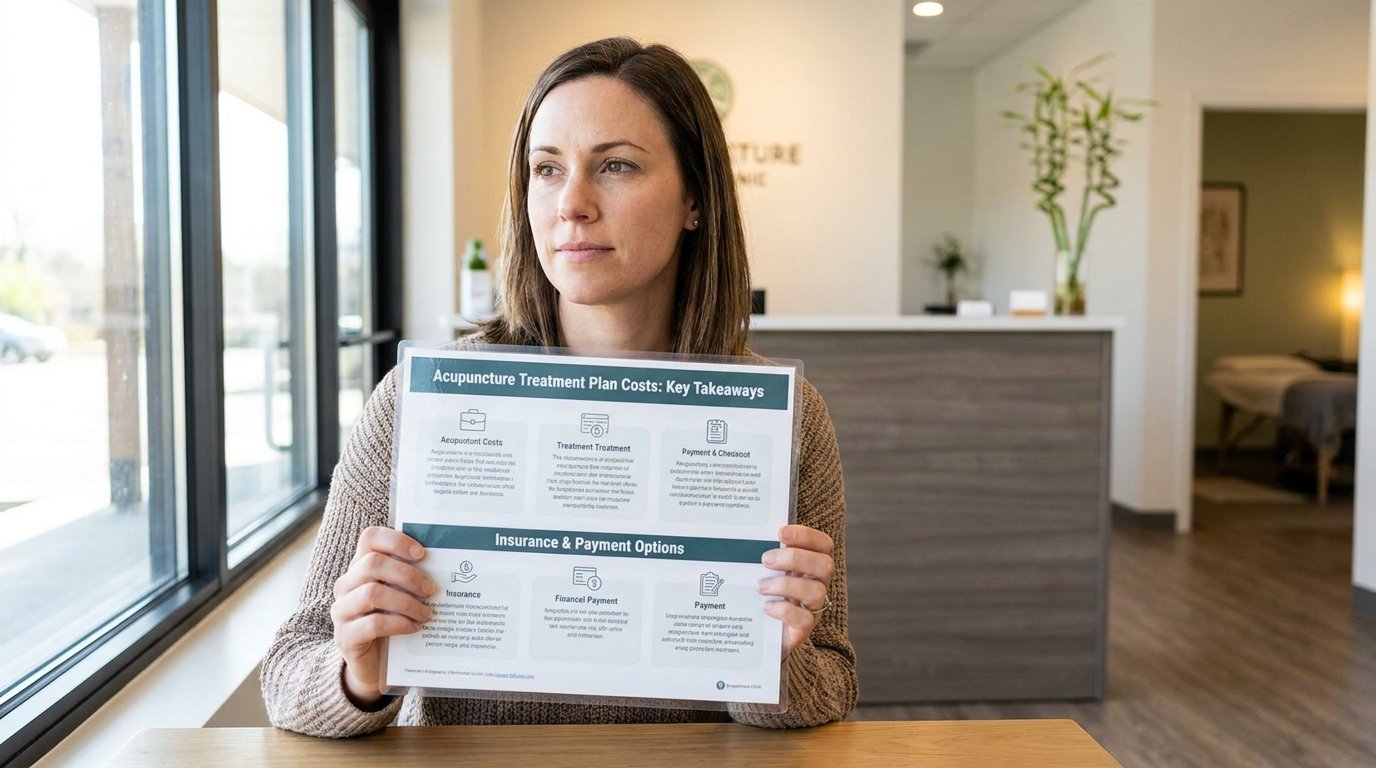
- Acupuncture session costs vary significantly, with initial consultations generally higher due to comprehensive intake.
- Factors such as practitioner experience, geographic location, and clinic model profoundly influence pricing.
- Many insurance plans now offer partial or full coverage for acupuncture, reducing out-of-pocket expenses.
- Specific conditions, like back pain or anxiety, may require different treatment frequencies, impacting the overall investment.
- The long-term benefits of acupuncture often represent a significant value, mitigating the need for more invasive or costly interventions.
Understanding Acupuncture Pricing Structures
Acupuncture pricing structures are not uniform, reflecting the varied landscape of traditional and integrative medicine practices. The primary determinant for initial visit costs is the extensive diagnostic process inherent in Traditional Chinese Medicine (TCM). This involves a detailed health history, pulse and tongue diagnosis, and formulation of a personalized treatment strategy. Subsequent sessions focus on implementing this strategy, often requiring less diagnostic time but emphasizing the skillful application of needles at specific acupuncture points.
At Pulse Acupuncture, our approach ensures that every patient receives a comprehensive assessment to identify the root causes of their health concerns. This individualized care, delivered by Marina Doktorman, L.Ac., underpins the initial consultation fee. Follow-up treatments are then precisely adjusted based on the patient’s progress and evolving needs, ensuring optimal therapeutic outcomes. The investment covers not just the needle insertion but also the practitioner’s profound understanding of TCM principles and diagnostic acumen.
Initial Consultations Versus Follow-Up Sessions
The distinction between initial consultation fees and subsequent follow-up session costs is standard across most acupuncture clinics. An initial consultation, often priced between $185 and $250, is a critical component of effective TCM. This session typically lasts 60 to 90 minutes and includes an in-depth health intake, review of medical history, a comprehensive TCM diagnostic assessment (pulse and tongue diagnosis), and the development of a tailored treatment plan. This foundational step ensures precision and efficacy in addressing complex health issues.
Follow-up sessions are generally shorter, typically 45 to 60 minutes, and focus on the direct application of the established treatment plan. These sessions usually range from $100 to $165+ per visit, depending on whether you choose single sessions or cost-effective packages. The reduced time allocation reflects the established patient-practitioner relationship and the efficiency gained from an existing diagnosis. At Pulse Acupuncture, subsequent visits are crucial for monitoring progress, adjusting treatment protocols as necessary, and ensuring sustained therapeutic benefits. This structured approach allows for consistent, progressive healing.
Factors Affecting the Cost of Acupuncture

Numerous variables contribute to the ultimate acupuncture prices a patient encounters. These factors encompass everything from the practitioner’s credentials to the geographic location of the clinic, each playing a significant role in the overall investment. Understanding these elements can help patients make informed decisions about their healthcare.
- Practitioner Expertise and Credentials: Acupuncturists with extensive experience, advanced degrees (such as a Doctor of Acupuncture or Oriental Medicine), or specialized certifications often command higher fees. For instance, a licensed acupuncturist with decades of practice or specialized training in fertility or pain management may charge more than a recent graduate. Their expanded knowledge base and refined skills translate into more effective and precise treatments.
- Geographical Location: The cost of living and operating a business significantly influences service prices. Acupuncture clinics located in major metropolitan areas, such as New York City or Los Angeles, typically have higher overheads (rent, utilities) compared to those in suburban or rural settings. For example, a session in Manhattan might average $150–$250, while a comparable session in a smaller town could be $80–$120.
- Clinic Model (Private vs. Community Acupuncture):
- Private Clinics: Offer individualized treatment in a private room, allowing for extensive one-on-one time with the practitioner and inclusion of various modalities. These settings typically have higher prices, reflecting the personalized attention and exclusive environment. Pulse Acupuncture operates as a private clinic, offering tailored treatments by Marina Doktorman, L.Ac.
- Community Acupuncture: Provides treatments in a communal setting, often in reclining chairs, allowing practitioners to treat multiple patients simultaneously. This model significantly reduces overhead and allows for a sliding scale fee, making acupuncture more accessible. Sessions can range from $25 to $75. While affordable, this model might offer less one-on-one consultation time.
- Included Modalities and Additional Therapies: Beyond needle insertion, many acupuncture treatments incorporate complementary techniques such as cupping, moxibustion, gua sha, electro-acupuncture, or herbal medicine consultations. Some clinics bundle these into the session price, while others charge separately. For example, a session might be $100, with cupping adding an extra $25. At Pulse Acupuncture, modern treatments such as cupping and moxibustion are often integrated into our holistic approach as needed, enhancing therapeutic efficacy.
- Session Length: Longer sessions, which allow for more comprehensive treatment or deeper relaxation, typically incur higher costs. An extended session might be beneficial for complex conditions or for patients who prefer more time with their practitioner.
The selection of an acupuncture clinic should therefore extend beyond solely considering the price point. Factors such as the practitioner’s philosophy, the clinic’s environment, and the breadth of services offered are equally important in determining the optimal choice for one’s health investment.
Comparison of Acupuncture Clinic Models and Costs
Choosing between different acupuncture clinic models involves understanding their distinct approaches to care and the corresponding price implications. Below is a comparison to help delineate the options available.
| Feature | Private Acupuncture Clinic (e.g., Pulse Acupuncture) | Community Acupuncture Clinic |
|---|---|---|
| Environment | Private treatment room, individualized attention, serene atmosphere. | Open, communal room with multiple patients treated simultaneously. |
| Practitioner Time | Extensive one-on-one time for intake, diagnosis, and treatment. | Brief individual check-ins, focus on needle placement. |
| Initial Consultation Cost | $185 – $250 (Comprehensive intake, diagnosis, treatment plan). | $30 – $75 (Reduced intake, focus on immediate symptoms). |
| Follow-Up Session Cost | $165 (Or $100 – $145 when purchasing multi-session packages; Cosmetic: $200). | $25 – $75 (Sliding scale often available, consistent treatment). |
| Included Modalities | Often includes cupping, moxibustion, electro-acupuncture, or herbal recommendations as part of the holistic plan. | Primarily needle-based; additional modalities may incur separate fees or be unavailable. |
| Ideal For | Complex conditions, sensitive issues, patients desiring privacy and highly personalized care. | Acute issues, maintenance, patients on a strict budget, those comfortable with group settings. |
Condition-Specific Acupuncture Costs and Treatment Frequency
The overall cost of acupuncture is significantly influenced by the condition being treated, as different ailments necessitate varying treatment frequencies and durations. Chronic conditions typically require a more extended series of sessions compared to acute issues. A common expert recommendation is to commit to at least 6-8 consistent sessions to evaluate efficacy, especially for long-standing health concerns.
- Acupuncture for Back Pain Cost: Treating conditions like back pain or sciatica often involves 1-2 sessions per week for 6-10 weeks initially, followed by maintenance. This could translate to an initial investment of $990–$2000, depending on the clinic’s per-session rate. The objective is to achieve lasting relief and prevent recurrence.
- Acupuncture for Anxiety Cost: Managing anxiety or stress often requires weekly sessions for 4-8 weeks, gradually tapering as symptoms improve. The total expense typically ranges from $660–$1,250 for an initial course of treatment, depending on whether single sessions or discounted packages are utilized. Acupuncture offers a profound calming effect on the nervous system, addressing both mental and physical manifestations of stress.
- Acupuncture for Weight Loss Cost: Treatment plans for weight loss typically involve weekly or bi-weekly sessions for several months, alongside dietary and lifestyle recommendations. The cumulative cost could be $1000–$3000 or more, reflecting the sustained commitment required to achieve and maintain results.
- Acupuncture for Sciatica Cost: Similar to back pain, sciatica often benefits from 1-2 weekly sessions for 6-8 weeks to reduce inflammation and nerve compression. An initial series could cost $890–$2000. This targeted approach aims to alleviate pain and restore mobility without invasive procedures.
A crucial professional mistake to avoid is discontinuing treatment prematurely. Many patients cease sessions once symptoms improve, only to experience a relapse. Consistency is paramount for sustained healing, especially in TCM, which focuses on rebalancing the body’s energetic systems over time. Marina Doktorman, L.Ac., develops personalized treatment plans, outlining expected duration and frequency to provide transparency and optimize outcomes for all conditions, including chronic pain and acute issues.
Insurance Coverage and Payment Options for Acupuncture
The landscape of insurance coverage for acupuncture has significantly expanded in recent years, making it a more accessible healthcare option for many. It is crucial for patients to verify their specific benefits directly with their insurance provider prior to commencing treatment. Many private health insurance plans, including PPO, POS, and some HMO plans, now cover acupuncture, often classifying it under “alternative therapies” or “physical medicine.”
Coverage details can vary dramatically: some plans cover a set number of sessions per year, others require a referral from a primary care physician, and some may only cover specific conditions. Deductibles, co-pays, and co-insurance also apply, similar to conventional medical services. According to recent health insurance industry analyses and scoping reviews, a growing number of commercial health insurance plans in the United States now offer some level of acupuncture coverage.
For those without insurance coverage or with high deductibles, alternative payment options are frequently available.
- Cash Payments: Many clinics offer a discounted rate for patients paying upfront with cash.
- Payment Plans: Some clinics, including Pulse Acupuncture, may offer flexible payment plans to spread the cost of a treatment series over time, making it more manageable.
- Health Savings Accounts (HSAs) and Flexible Spending Accounts (FSAs): These tax-advantaged accounts can be utilized for acupuncture services, providing a beneficial way to pay for treatments with pre-tax dollars.
Understanding your insurance benefits and exploring available payment options can significantly alleviate concerns about the cost of acupuncture, making this beneficial therapy more attainable.
The Value Proposition: Investing in Holistic Health
While the direct acupuncture prices represent a financial outlay, the enduring benefits of this holistic therapy often outweigh the initial investment, offering profound value in long-term health and wellness. Acupuncture aims to address the root cause of ailments, promoting the body’s innate healing mechanisms rather than merely suppressing symptoms. This contrasts sharply with approaches that rely solely on pharmaceutical interventions, which can have side effects and often require continuous expense.
An investment in acupuncture can lead to significant reductions in reliance on prescription medications, fewer sick days, enhanced emotional resilience, and an improved quality of life. For instance, successfully treating chronic headaches with acupuncture may eliminate the need for costly pain medications, reduce doctor visits, and improve productivity.
Clinical trial data, including long-term studies published in prominent medical journals, demonstrate that acupuncture provides statistically significant pain relief for chronic low back pain, with benefits sustaining up to 12 months. Furthermore, a 2021 study published in Pain Medicine noted that acupuncture’s long-term benefits for conditions like osteoarthritis can reduce the need for more invasive and expensive surgical procedures, which can cost upwards of $20,000 for a single joint replacement.
At Pulse Acupuncture, we emphasize a painless and effective healing journey that extends beyond immediate symptom relief. Our personalized treatments by Marina Doktorman, L.Ac., foster comprehensive well-being, translating into a greater return on health investment over time. This holistic perspective ensures that patients achieve lasting relief and an enhanced capacity for health.
Navigating “Acupuncture Near Me” and Finding a Reputable Clinic
When seeking “acupuncture near me,” it is essential to prioritize the quality and reputation of the clinic over solely focusing on the lowest cost of acupuncture. A practitioner’s qualifications, experience, and patient testimonials are invaluable indicators of effective care. Verifying that the acupuncturist is licensed by the state is the fundamental first step, ensuring they meet professional standards.
Consider the following when evaluating an acupuncture clinic:
- Licensing and Certification: Confirm the practitioner holds a current state license. In the United States, this typically means a Master’s or Doctorate in Acupuncture or Oriental Medicine from an accredited institution.
- Experience and Specialization: Inquire about the acupuncturist’s experience with conditions similar to your own. Marina Doktorman, L.Ac., at Pulse Acupuncture, possesses extensive experience in treating a diverse range of physical and emotional issues, employing customized treatments.
- Patient Reviews and Testimonials: Seek out online reviews and testimonials to gauge other patients’ experiences regarding effectiveness, professionalism, and clinic environment. Positive feedback often indicates a high standard of care.
- Initial Consultation: A reputable clinic offers a thorough initial consultation to discuss your health history and treatment goals before committing to a full course of treatment. This ensures a personalized approach.
- Clinic Environment: The clinic should be clean, professional, and provide a comfortable, calming atmosphere conducive to healing.
- Transparency in Pricing: A trustworthy clinic will clearly communicate all costs associated with treatment, including initial consultations, follow-up sessions, and any additional modalities.
Opting for a well-regarded clinic like Pulse Acupuncture, where patient-centered care and lasting relief are paramount, ensures that your investment in health yields optimal outcomes.
FAQ
What is the typical cost for an initial acupuncture consultation?
An initial acupuncture consultation generally ranges from $185 to $250. This fee covers a comprehensive health intake, medical history review, Traditional Chinese Medicine (TCM) diagnostic assessment, and the development of a personalized treatment plan.
How much do follow-up acupuncture sessions cost?
Standard follow-up sessions are priced at $165 per individual visit, but the cost can be reduced to $100–$145 per sessionwhen take advantage of multi-visit prepaid packages.These sessions are usually shorter than the initial consultation and focus on implementing the established treatment plan, with adjustments made based on the patient’s progress.
Does insurance cover the cost of acupuncture?
Many health insurance plans, including various PPO, POS, and some HMO plans, now offer coverage for acupuncture services. It is essential to contact your insurance provider directly to verify your specific benefits, including any deductibles, co-pays, or referral requirements.
What factors influence the total cost of acupuncture treatment?
The total cost of acupuncture treatment is influenced by several factors, including the practitioner’s experience and credentials, the geographic location of the clinic, whether it is a private or community clinic, and if additional modalities like cupping or moxibustion are included in the session price.
Is acupuncture for specific conditions, like back pain or anxiety, more expensive?
The cost for specific conditions like back pain or anxiety is not necessarily higher per session, but the overall investment may be greater due to the recommended frequency and duration of treatment. Chronic conditions often require a more extended series of consistent sessions for lasting relief.
Can Health Savings Accounts (HSAs) or Flexible Spending Accounts (FSAs) be used for acupuncture?
Yes, both Health Savings Accounts (HSAs) and Flexible Spending Accounts (FSAs) are commonly used to cover the costs of acupuncture services. These accounts allow individuals to pay for qualified medical expenses, including alternative therapies, with pre-tax dollars.