

Acupuncture For PMS








Elizabeth Egan
2 months ago
I started seeing Marina before I started fertility treatment - and three months later I was pregnant! (Naturally and in between IVF cycles no less!). There are so many factors that go into conceiving, but I do think acupuncture played a role, and I would recommend Marina specifically to anyone starting their fertility journey.

Lisa Tillson Haynes
7 months ago
I have been going to Pulse Accupuncture for over a year now , and it has honestly changed my life. It’s an essential part of my weekly wellness routine, and Marina is amazing. I can’t recommend it enough!

Nizar Andres Assad
7 months ago
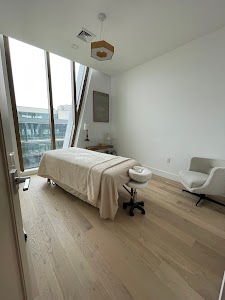
At first, I actually mistakenly booked the wrong date online, and after reaching out in a small panic lol, Marina reached back out through text and accomodated me with such ease within the hour. Upon starting, I was just so impressed me with how present she was in evaluating my current health status/struggles, etc. into deciding to book an acupuncture session, and even noticed my cat allergy flare up and included a specific remedy. Not to mention the space itself felt like you were on the imaculate set of Severance, ha. I really appreciated how thorough her intentions were thoroughout, never felt rushed like a money grab, and had a lovely chat in between before I finally drifted into complete calm. Within a few hours after leaving — I noticed feeling lighter, and a positive boost throughout day. I’m so grateful and will definitely be coming back.
PS: The documentary was "Fire at Sea"

Delaine Drummond
10 months ago
Seven weeks ago, I was dealing with a herniated bulging disc and constant pain. I tried physical therapy, but it was extremely painful and didn’t help. Someone suggested acupuncture, and I found Pulse Acupuncture through my insurance, the best decision I’ve made.
I had the pleasure of working with Marina, Laryssa, and Jaesung, and they have all been absolutely amazing. Thanks to this incredible team, I can now sit, drive, walk, sleep comfortably, and function normally again. I truly don’t think I’d be where I am today without their care and expertise.
Pulse Acupuncture has become my go-to place for anything pain-related. The entire team is warm, compassionate, and professional, with outstanding bedside manners.
I highly recommend Pulse Acupuncture to anyone experiencing pain and looking for effective, non-invasive treatment. Truly life-changing! 😊

sevinc ozcelik
10 months ago
I had an excellent experience with Marina at Pulse Acupuncture. She took time to understand what was going on, explained the process clearly, and the treatment itself was incredibly soothing. I noticed a real shift afterward — less tension, more ease, and a calm that actually lasted. I’m so grateful and will definitely be back.

Marguerite Pinheiro
10 months ago
I absolutely adore this place and the two women who work there. I came in at the end of my marathon training weeks before the race and they worked miracles on me -- taking a personalized and thoughtful approach for each session. In addition to treating my pains and aches, they also did stress treatments on me when they knew I needed it the most. I will be back there, and really can't say enough positive things.

Lisa Gilman
11 months ago
Greatest acupuncture, environment, service, practitioners. Laryssa was my practioner today. She was extremely knowledgeable about both western and eastern medicine, and was thoughtful and purposeful with the treatment choices. She discussed her thinking, gave suggestions about diet and posture, as well as exercise and meditation. This was delivered in a gentle, non pressuring way. The space was spotless, care was taken in every aspect possible. Thank you for the great experience. I can't wait to meet Dr. Marina who accomodated my schedule and made sure I would be seen even though I was running late. Both she and Laryssa have treated my daughter as well and she feels so well from the care.

Charlie Filson-Dineen
1 year ago
My experience with Marina's work has been incredible. After the first few sessions, I immediately noticed a decrease in my endometriosis symptoms. I also struggle with CPTSD and anxiety-- and have felt extremely lighter since seeing her. She is thorough and knows what she is doing. I go twice a week and will eventually start tapering my sessions, but think it is imperative to go often when first starting out. I am addicted to her practice and cannot recommend her more!

Mariela Zapata
1 year ago
I am extremely particular with massages and the massage therapist name Inna at Pulse Acupuncture is absolutely incredible. She is intuitive, skillful, informative and has great bedside manners. The best massage I've experienced in NYC. I highly recommend Inna.

Soloman McDermott
1 year ago
I had been struggling with persistent back pain and frequent migraines that significantly impacted my daily life. After trying various treatments with limited success, I turned to acupuncture and began sessions with Dr. Marina. Her attentive and knowledgeable approach immediately put me at ease. Through her expert care, I experienced a remarkable reduction in both my back pain and migraine frequency. Dr. Marina's dedication and skill have truly made a positive difference in my well-being, and I wholeheartedly recommend her to anyone seeking relief through acupuncture.

Alexis Balkjy
1 year ago
Dr.Marina has helped me multiple times, every time I go to her with a goal to improve my health or whatever aliment I am dealing with, she always helps alleviate it. She’s helped balance my hormones, helped me with a spell of insomnia etc. she really is so amazing and I will continue to go to her because she truly knows what she is doing! If you have any issue, I think dr.marina can help in her practice, she really is amazing and I’m so thankful for her!

Mory Korenblit
2 years ago
Marina is a well-trained and talented therapist. I see her in her Clifton, NJ, office. Parking is always adequate. Several therapy rooms are available; they are comfortable and well-eqipped. I find Marina to be empathetic, a good listener, and a good diagnostician.She draws on her extensive knowledge and experience to tailor-make each treatment to alleviate the ailments presented. I find Marina's acupuncture skills to be effective. I look forward to our sessions and I highly recommend her!

Cydney Engle
2 years ago
Amazing experience! Marina is knowledgeable and professional. She has created a very relaxing vibe in her studio that makes the appointment feel like amazing self care. I’m 40 weeks + 3 days pregnant and felt very comfortable with the table set up and also trusted that she knew what she was doing.

Linda Simmons
2 years ago
Such a soothing environment and Marina is very professional. She explains everything that she is going to do. While I know I need more sessions, I noticed today that I was already able to walk further than before with significantly less pain after the 1st session. What a blessing!!

Francine Fontana
2 years ago
Marina has been treating me in Clifton for about 6 months for chronic pain. I must say she is extremely knowledgeable and has helped to quiet my deep muscle spasms. As an unexpected bonus, the acupuncture had also helped muscle atrophy from a surgery I had over 12 years ago.
Marina is very accommodating, kind, and attentive, and her staff is a pleasure to deal with. I highly recommend Pulse.

Alicia Fernandez
2 years ago
My experience was phenomenal, I had fire cupping done for the first time, an absolute life changing experience. 🙌

Elinor Nimrodi Georgy
2 years ago

Luis Ramirez
2 years ago
The session was great. I’m dealing with sciatica issues and during one session I was able to receive full body acupuncture, cupping , electro pulse therapy and a stress reading. All very helpful for my pain. Highly recommend.

DJ Nicole Otero
2 years ago
I love Marina and her team. I have been struggling with feeling nauseous and fatigue after going through an IVF cycle and going twice a week has been working wonders for me. It’s literally the difference between being able to function and not function in life. I can’t recommend Pulse enough!

Gabrielle Sherman
2 years ago

Emil Hafeez
2 years ago

Christopher Michael
2 years ago
Wonderful place for acupuncture! Highly recommended.

Dan Parr
2 years ago
Exceptional service. Clean and calming rooms. Easy billing/insurance process. Would recommend!

Archie Cooke
2 years ago
Best Accupuncture in Williamsburg! Marina Laryssa are fantastic. Helped relieve pain for my marathon preparation assisting with Plantar fasciitis ITBs and stress. Great experience, very friendly, would highly recommend visiting them.

Mary Connelly
2 years ago
I have been very happy with the services of Pulse Acupuncture, the pain I have has greatly decreased with the Acupuncture.

Brad Sites
2 years ago
Laryssa was fantastic. i can’t ever remember a provider taking the time and attention to my specific issues. highly recommend!

Aliona Kats
2 years ago
Marina is very professional, caring and extremely knowledgable. The office is peaceful and welcoming. I highly recommend Pulse Acupuncture for holistic care.

Giovanna
2 years ago
Laryssa is very empathetic and clearly cares about her patients. She’s passionate about her job and wants her patients to feel better. I’ve been seen by Marina a couple of times when Laryssa wasn’t there and I can say the same for her. Overall I highly recommend this acupuncture office.

Carolina Geoghegan
2 years ago
I have been doing acupuncture consistently for 3.5 years, started with Marina almost 3 years ago and also started seeing Larissa this last year.
Acupuncture has truly changed my life and has helped me in ways I didn’t even know were possible.
I started doing acupuncture to balance my hormones after 2 years of unsuccessful fertility treatments. When I started seeing Marina, my periods were starting to be regular and I was dealing with a few different symptoms which we started treating right away (constipation, random headaches, body aches)… in the last 3 years I have not been sick (no flu, have never tested positive for COVID) - Marina even treated me for allergies more than a year ago during an allergy episode in changing seasons.
Also want to mention Larissa as I started seeing her in Marina’s beautiful office and she’s also contributed to my wellness journey. Acupuncture is my favorite wellness practice, I see them regularly and have never felt better. I sometimes just tell them whatever I’m thinking/feeling knowing they will stick some needles in different places of my body and I come out floating and feeling so relaxed.

effie sullivan
2 years ago
Marina is the most qualified acupuncture specialist I've ever worked with. I recommend her highly.

Georgina Rovirosa Trujillo
2 years ago
My symptoms have improved dramatically after just 3 sessions! She’s talented and kind, and uses various techniques that really make me feel like she’s taking a holistic approach to my health and emotional wellbeing. Cannot recommend her enough!

Cindy Ayala
2 years ago

Steven
2 years ago
Jaesung Kim- a welcome addition to the team- simply incredible !
Excellent service- great results- highly recommended ~!

Veena Rao
2 years ago
I've had several sessions with Marina and have had a great experience. I feel relaxed every time a session is over. I recommend trying Pulse out!

victoria hoffman
2 years ago
I visited Marina for back pain and digestive issues. My whole experience was positive. She is patient, empathetic, and very talented and knowledgeable. She used multiple modalities on my body (front and back) to address my concerns and treat the whole body rather than one part. I have been returning each week and I feel so good after.

JERRY JANOWSKI
2 years ago
Marina cares and listens to her patients. Its always about them.

Michael Jones
2 years ago
Dr Marina is very best to find cure for your aches and pains. She tailors treatment with modalities that fit individual's ailments. You will get relief.

Ben Peleg
2 years ago
My partner and I have been seeing Marina for the past year now, and it's been a game changer for my health (anything from back pain to allergies). Since starting treatment all these conditions have become so much more manageable.
Marina is not only incredibly knowledgeable, but also very calming and has great bedside manners. If you're looking for a fantastic acupuncturist I can't recommend her enough!!

Aubrey Greco
2 years ago
Marina is so thoughtful and attentive. I have been seeing her regularly for months now and my quality of life is so much better. She’ll listen to what you’re struggling with and give you a really customized session where you walk out the door feeling amazing. Don’t be scared of the needles, it doesn’t hurt!

Robert Craig
2 years ago
Highly professional and knowledgeable technician who explains as she goes so there are no surprises. Knows a variety of techniques to provide some of the best care possible. Highly recommended.

Gordo Santos
2 years ago
Best place to be in new Jersey hands down and yes to recovery. State of the art equipment, advanced training staff awarding with convenient scheduling.

Raymond Muller
2 years ago
Marina and Pulse Acupuncture have given me outstanding wellness care-helping me through pain issues in my left arm and back- giving me relief before and after my knee replacement surgery - Outstanding care and deeply personal individual attraction

Erin
2 years ago
Very happy I went

Anooshka Kumar
2 years ago
Highly recommend Pulse for acupuncture. Very peaceful atmosphere and effective treatment. I am new to treatment and left my sessions incredibly relaxed and recharged. I felt significant relief in the area I was experiencing dull, recurring pain. Will be going regularly now!

Lindsay Andretta
2 years ago

Nancy Super
3 years ago
Dr. Marina Doktorman is sweet and amazing at what she does. I feel very comfortable with her and her practice is very clean and spa-like. I’ve been coming weekly for a month and noticed changes in my wellbeing. Using acupuncture she’s able to regulate my hormones, unblock my chakras, and overall improve my wellbeing. I love it and will continue weekly or biweekly treatments as long as my insurance is covered. I highly recommend her to anyone who is new to it or interested in acupuncture treatment. It’s very calming and relaxing!

Amanda Thurston
3 years ago
Marina is the best acupuncturist I’ve been to. Expect a full service experience that changes with your needs whether you express them or aren’t sure what you need that day. (Marina is super intuitive and adjusts treatment accordingly!) Highly recommend going here, you’ll feel better mentally and physically as soon as you’re walking out!

Jen Jefferies
3 years ago
Highly recommend! I have been to quite a few acupuncturists over the years and Pulse is by far my favorite and the most attentive. It is a full service of treating my back, front body and cupping (it does not feel rushed). I suffer from chronic neck pain from an old injury and go for postpartum symptoms relief. I always feel better after leaving. The office is beautiful and calming as well.

Dr. Lyudmila Spektor DDS
3 years ago
Marina relieved my back pain after just a couple of visits. I had been suffering for months and her method of treatments proved to be successful. As a doctor myself I can say that she has great bedside manner as well.

Gloria Alp
3 years ago
Great place to be! Amazing experience!

Noemie Audibert
3 years ago
Marina is a great acupuncturist. She is very gentle, professional and caring. I’ve been seeing her on a weekly basis for over a month now to deal with severe fatigue and stress, and in no time the sessions have taken effect. I feel more centered, calm and filled of positive energy. I no longer suffer from insomnia, dizziness or intense anxiety. The practice where she receive appointments in Williamsburg is very nice, clean and comfortable that makes sessions very pleasant and relaxing. I’m very grateful to Marina for her care. Finally, she is very flexible for appointments and can even see a patient in the evening which is very convenient. I highly recommend her.

Kazue Anan
3 years ago

Elena Solntseva
3 years ago
To understand what I'm talking about, you have to try it for yourself.
After 10 minutes of the procedure, you get into a different reality. Marina is knowledgeable, answers all the questions. After the procedure, the skin of the face glows, the body becomes lighter by a couple of pounds. I've been looking for such a procedure and state of mind for a long time.

Elana
3 years ago
Pulse Acupuncture is exactly what I’ve been looking for to treat my migraines! Marina is knowledgeable, professional, asks probing questions and does fire cupping! She also has a very serene and clean office that makes me feel so relaxed and I never feel rushed during my sessions. Marina is truly incredible - her treatments help me mitigate migraines and I highly recommend her for any acupuncture/holistic health needs!! (I’ve tried other practitioners in the area and none have compared to Marina’s experience and professionalism.)

Irina Kozina
3 years ago
I used acupuncture for low back and SI joint pain. I have a chronic condition. After the 1st treatment pain reduced by 75%. I am very happy with the results. I'm coming back. Thank you!

Michael Schimley
3 years ago
I found Marina while I was experiencing horrible lower back pain and her treatments got me back to my normal self quickly. Her office is beautiful, clean and welcoming. I will be going back regularly for routine maintenance and stress relief.

Sophia F
3 years ago
Very happy that my friend recommended Pulse Acupuncture Williamsburg Brooklyn to me! Marina Doktorman is such a professional acupuncturist! It was my first time trying acupuncture and I fell in love with it, I felt younger and lighter after my acupuncture session! I recommend to everyone!!!

Helen Shin
3 years ago
Marina healed me with the best acupuncture in Williamsburg. My shoulders and traps was intensely in pain to the point it gave me a headache but Pulse Acupuncture relieved my pain. Marina's technique is so effective and relaxing. The space is also beautiful and luxurious and you can also get a massage with Maria who's also AMAZING. I highly recommend Pulse Acupuncture in Williamsburg 🙂

Ellen Leybengrub
3 years ago
Marina Doktorman is very knowledgeable, skilled, and caring, with many years of experience. Excellent location. Beautiful brand new office.

Felix Lan
3 years ago
Super pleased with my first appointment. Marina is very kind, knowledgeable and professional. Highly recommend.

Amanda Pagul
3 years ago

Evgenia Vlasova
3 years ago
When I first came to Marina, I felt constant pressure in my lower back, tension in my upper back and lack of energy. During the first session I could literally feel something shifting inside in those areas she was working on. Her touch was so gentle that I didn’t even feel the needles go in. The time stopped, I was relaxed, calm and peaceful. Besides acupuncture I had some cupping done as well. The cups relieved a great deal of pressure from my upper and lower back. After the session I immediately felt the effect. Have my next session scheduled for next week. I would definitely recommend Marina to those seeking holistic ways to deal with muscle, spine, and pain issues. She is a miracle worker!

Taisiya Pokrovskaya
3 years ago
I felt relief after the first session with Marina Doktorman. Marina is a caring practitioner that establishes a connection with her clients and always ensures a comfortable environment. After doing acupuncture, heat therapy, and cupping with her, I felt instant relief and relaxation. In addition, Marina’s treatment helped me feel relief from neck and back pain, as well as to feel grounded and connected to my body. I would highly recommend Marina to anyone.

Alex livson
3 years ago
Excellent service, very knowledgeable and professional. They helped me a lot. Strongly recommend. Went to other offices, but this one is truly the best!

maya grabler
3 years ago
I’m getting acupuncture for allergies and impressed by the results! I’m no longer congested, no teary eyes. It’s just incredible! Im used to getting allergy shots before. No more. It’s unbelievable! The treatment is relaxing and very effective! My headaches are gone too! I really recommend Marina Doktorman at Pulse Acupuncture!

Maria Yam
3 years ago
I was treated by Marina at Williamsburg location. After I sprained my ankle I decided to try acupuncture to help with bruising, swelling, and pain. The results were fascinating! The bruising and swelling almost went away!!! I am very very satisfied with the treatment! Marina is very knowledgeable, experienced and has an amazing energy! Will definitely be back!!

Leon Rav
4 years ago
I’ve had great acupuncture experience at Pulse Acupuncture. Marina was able to fix my neck strain in just one treatment. It was not painful and actually very relaxing. Cupping and massage followed after acupuncture session. This was the most relief I’ve had in a long time. Loved the healing vibe of this beautiful studio.

The -W-omen
4 years ago
I recently visited Pulse Acupuncture to seek relief for my lower back pain, and I am thrilled with the results I achieved through Marina's skillful treatment. After just a few sessions, I noticed a significant improvement in my pain levels and overall mobility.
I am beyond grateful to Marina, because after trying so many things, I almost lost hope. highly recommend Pulse Acupuncture and Marina for anyone seeking relief from pain or other health concerns.

Mark Plesser
4 years ago
I have been visiting Pulse Acupuncture for several months now, and I have consistently received excellent service from Marina. Her expertise in acupuncture and holistic healing is unmatched, and she always takes the time to listen to my concerns and provide personalized recommendations.
The acupuncture sessions themselves are incredibly relaxing and therapeutic. Marina's gentle touch and precise needle placement always leave me feeling calm and rejuvenated. She also incorporates other techniques, such as cupping, which have been very beneficial for my overall health and wellbeing.
In addition to her skill as an acupuncturist, Marina is also a wonderful person to work with. She is warm, friendly, and genuinely cares about her clients' wellbeing. I always leave our sessions feeling refreshed and uplifted, both physically and mentally.
Overall, I highly recommend Pulse Acupuncture and Marina for anyone looking for high-quality acupuncture and personalized care. Thank you, Marina, for your exceptional service and dedication to helping others achieve optimal health!

Miha ha
4 years ago