

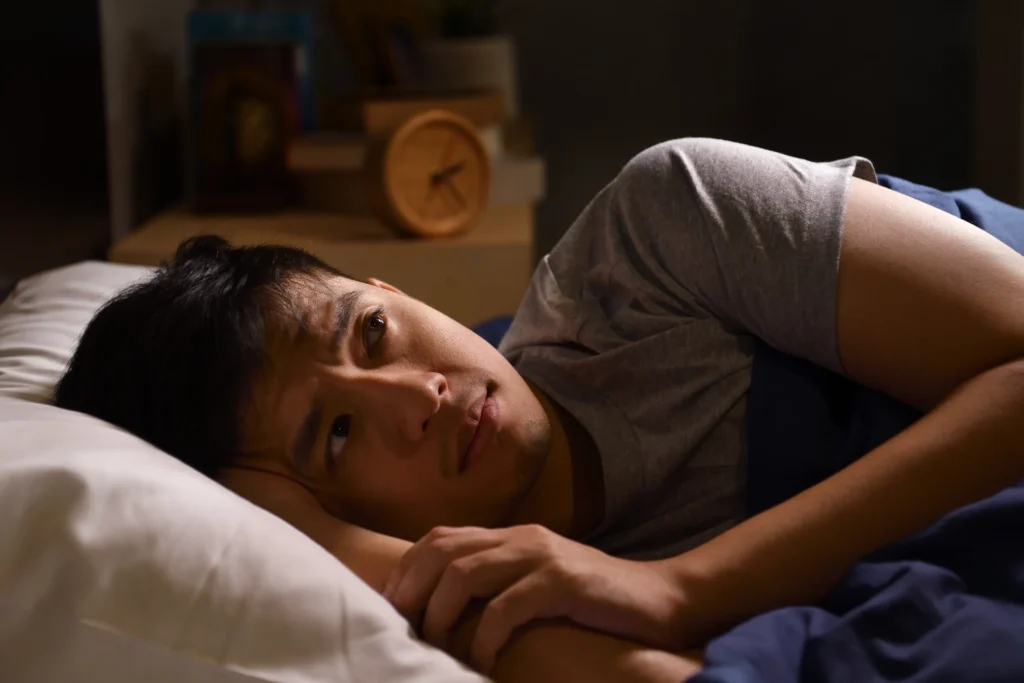
Many people notice that anxiety feels more intense at night. When daily responsibilities slow down and external distractions disappear, worries, racing thoughts, and physical tension may become more noticeable.
Nighttime anxiety can affect your ability to fall asleep, maintain restful sleep, and feel refreshed the next day. Understanding why anxiety appears at night can help you identify possible triggers and explore supportive approaches to promote relaxation.
At Pulse Acupuncture, a trusted acupuncture clinic in Brooklyn, NY and Clifton, NJ, we recognize that stress, sleep patterns, emotional well-being, and overall health are closely connected. A personalized approach may help support the body’s natural ability to restore balance and relaxation.
What Is Nighttime Anxiety?
Nighttime anxiety refers to increased feelings of worry, nervousness, or stress that occur primarily in the evening or before sleep. It is not a separate medical diagnosis but a pattern of anxiety symptoms that may become more noticeable during nighttime hours.
Common experiences associated with nighttime anxiety include:
-
Racing thoughts or excessive worrying
-
Difficulty relaxing before bedtime
-
Restlessness or feeling unable to “switch off”
-
Muscle tension
-
Increased heart rate
-
Trouble falling asleep or staying asleep
For some people, nighttime anxiety is connected to daily stress accumulation. Others may notice that symptoms appear when they finally have quiet time to process emotions, concerns, or unresolved thoughts.
Why Does Anxiety Feel Worse at Night?
Several factors can contribute to increased anxiety symptoms at night. The transition from a busy day to a quiet evening can change how the brain processes thoughts, emotions, and stress signals.
Fewer Distractions Can Increase Worry
During the day, work, conversations, responsibilities, and activities naturally occupy attention. At night, fewer external distractions may allow anxious thoughts to become more prominent.
Many people experience increased mental activity when they lie down, including:
-
Replaying stressful situations from the day
-
Worrying about future events
-
Focusing on physical sensations
-
Thinking about unresolved problems
This increased awareness does not necessarily mean anxiety is stronger at night. Instead, the absence of daytime distractions may make existing stress more noticeable.
Stress and the Nervous System May Stay Activated
The body’s stress response helps people react to challenges and demands. However, prolonged stress can make it more difficult for the nervous system to transition into a relaxed state.
When the body remains in a heightened state of alertness, some people may experience:
-
Difficulty calming the mind
-
Physical tension
-
Restlessness
-
Sleep difficulties
Supporting relaxation and healthy stress management may help encourage a more balanced nervous system response.
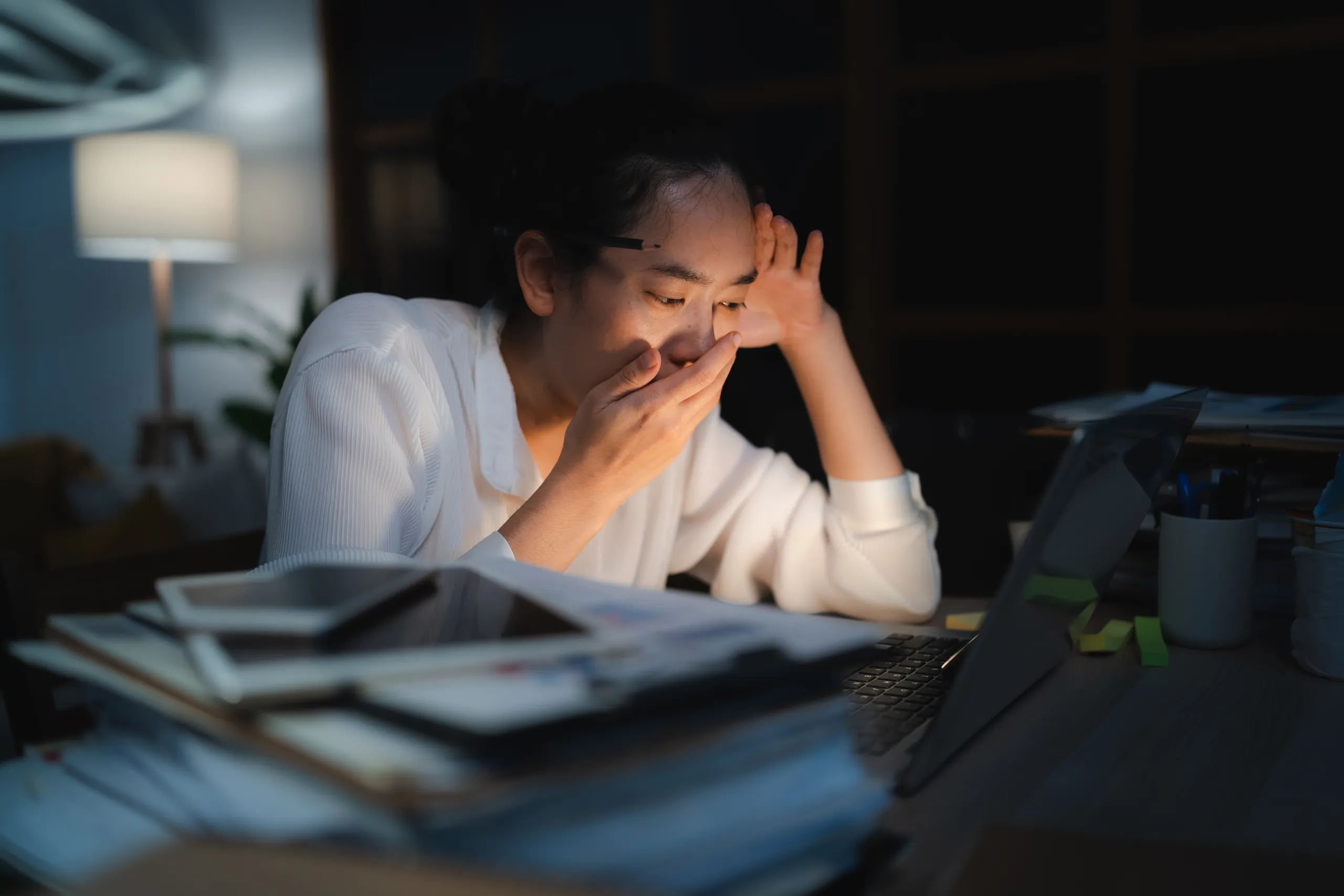
Sleep Problems and Anxiety Can Create a Cycle
Anxiety and sleep are closely connected. Worry and stress can make it harder to fall asleep, while insufficient sleep may affect emotional regulation and increase sensitivity to stress.
This cycle may involve:
-
Anxiety makes relaxation before bedtime more difficult.
-
Poor sleep reduces the body’s ability to manage daily stress.
-
Increased stress may contribute to stronger anxiety symptoms the following night.
Addressing both sleep habits and stress management strategies can be an important part of improving nighttime well-being.
Common Symptoms of Anxiety at Night
Nighttime anxiety can affect both emotional well-being and physical comfort. Symptoms may vary from person to person, but many people experience a combination of mental and physical signs.
Common symptoms include:
-
Persistent worrying or racing thoughts
-
Difficulty relaxing before sleep
-
Feeling restless or unable to stay calm
-
Muscle tension, especially in the neck, shoulders, or jaw
-
Increased heart rate or a sense of nervousness
-
Difficulty falling asleep
-
Frequent nighttime waking
-
Feeling tired or overwhelmed the next day
Some people may notice that anxiety appears suddenly at bedtime, while others experience a gradual increase in stress as the evening progresses. Recognizing these patterns can help identify possible triggers and support a more personalized approach to managing symptoms.
Common Causes of Nighttime Anxiety
Nighttime anxiety can develop for different reasons, including daily stress, lifestyle factors, sleep disruption, and changes in the body’s stress response. Identifying potential contributors may help you understand why anxiety becomes more noticeable at night.
Daily Stress and Emotional Overload
Stress does not always disappear when the day ends. Work responsibilities, relationship concerns, financial pressure, and personal challenges can remain active in the mind even during quiet evening hours.
When the brain continues processing stressful experiences, it may become more difficult to achieve a relaxed state before sleep.
Common contributors may include:
-
High levels of daily stress
-
Unresolved worries
-
Emotional strain
-
Significant life changes
-
Ongoing mental pressure
Developing healthy stress management habits can support emotional balance and improve relaxation before bedtime.
Hormonal Changes and Sleep Disruptions
Hormones play an important role in regulating sleep, mood, and stress responses. Changes in hormone levels may influence how the body responds to stress and how easily a person relaxes at night.
Some factors that may affect nighttime anxiety include:
- Changes related to menstrual cycles
- Perimenopause or menopause
- Irregular sleep schedules
- Poor sleep quality
Sleep patterns may also be viewed through the connection between the body’s internal rhythms and overall well-being. From a Chinese medicine perspective, the Chinese medicine body clock is one concept that explores how different times of the day may relate to specific body functions and recurring health patterns.
A consistent sleep routine and supportive wellness practices may help promote healthier sleep patterns.
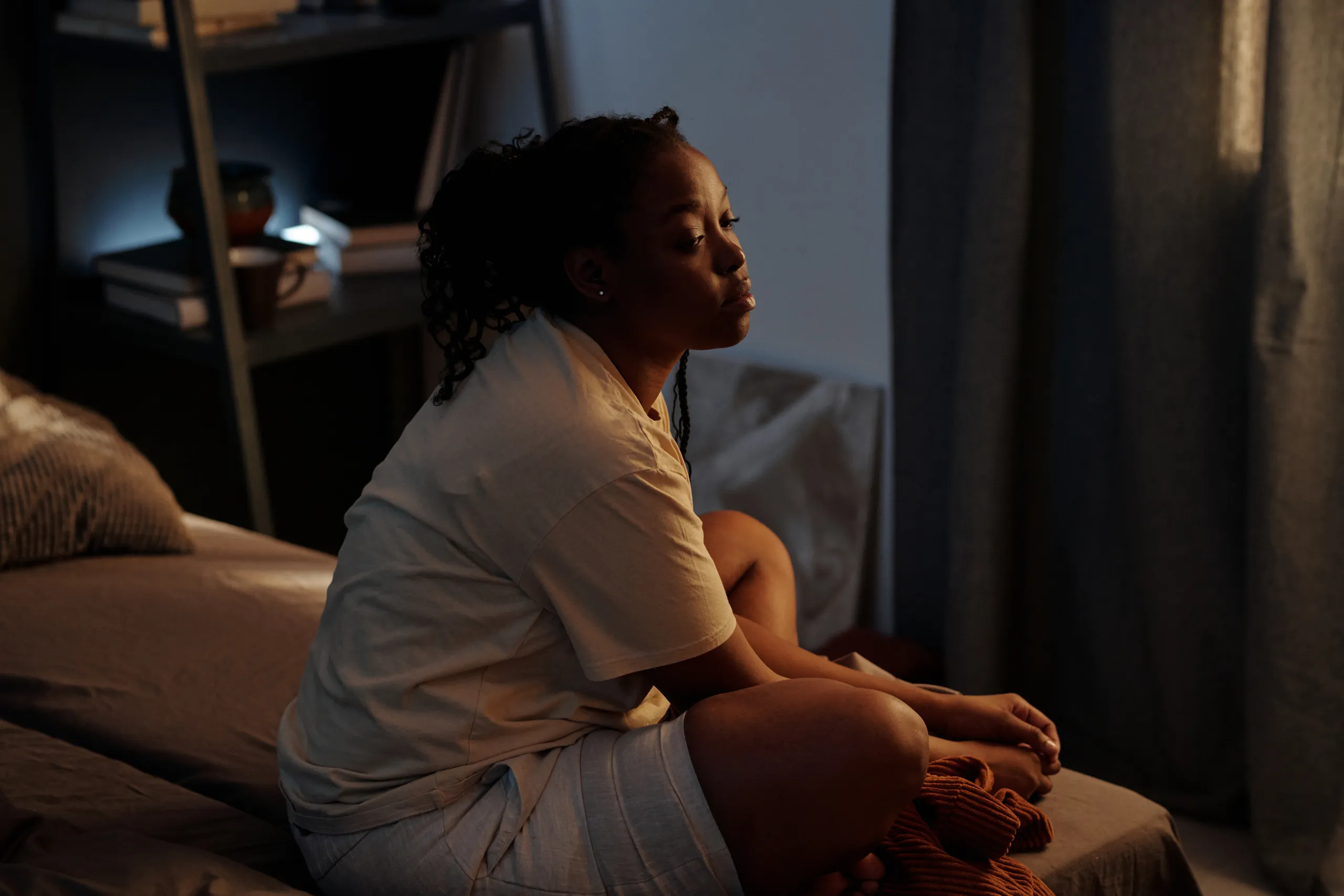
Lifestyle Factors That Affect Relaxation
Certain daily habits may contribute to increased anxiety symptoms at night. The body and brain need time to transition from an active state into a relaxed state.
Factors that may interfere with relaxation include:
-
Excessive caffeine consumption, especially later in the day
-
Extended screen exposure before bedtime
-
Irregular sleep schedules
-
Limited physical activity
-
High stress levels without adequate recovery time
Small lifestyle adjustments can support a calmer bedtime routine and improve overall sleep quality.
How to Calm Anxiety at Night Naturally
Creating a calming evening routine can help signal to the body that it is time to rest. While individual needs vary, several natural strategies may support relaxation and stress management.
Create a Relaxing Bedtime Routine
A consistent bedtime routine can help prepare the nervous system for sleep. Repeating calming activities each evening may create a stronger connection between nighttime habits and relaxation.
Helpful practices may include:
-
Keeping a consistent sleep schedule
-
Reducing stimulating activities before bed
-
Creating a comfortable sleep environment
-
Practicing calming routines such as gentle stretching or relaxation exercises
Some people also incorporate calming aromatherapy practices, such as using a stress relief essential oil, as part of their nighttime relaxation routine.
Practice Deep Breathing and Mindfulness
Breathing exercises and mindfulness practices may help shift attention away from anxious thoughts and encourage a calmer mental state.
Examples include:
-
Slow, controlled breathing
-
Body awareness exercises
-
Meditation practices
-
Gentle relaxation techniques
These approaches may be especially helpful when nighttime anxiety is connected to racing thoughts or difficulty mentally slowing down.
Support Healthy Sleep Habits
Sleep hygiene plays an important role in emotional regulation and stress management. Consistent habits can help support the body’s natural sleep-wake cycle.
Consider:
-
Going to bed and waking up at similar times each day
-
Limiting caffeine intake later in the day
-
Reducing bright light exposure before sleep
-
Creating a peaceful bedtime environment
Improving sleep habits may not eliminate anxiety completely, but it can support the body’s ability to manage stress more effectively.
Can Acupuncture Help With Anxiety at Night?
Acupuncture is a holistic approach that may support relaxation, stress management, and overall well-being. Many people seek acupuncture when stress, tension, or sleep difficulties affect their daily quality of life.
At Pulse Acupuncture, our Acupuncture for Anxiety treatments focus on a personalized approach that considers each person’s symptoms, lifestyle, and overall health goals.
From a TCM perspective, anxiety and sleep concerns may be connected to imbalances affecting the body’s ability to maintain harmony. Chinese medicine practitioners consider a person’s overall health, lifestyle, symptoms, and individual patterns when developing a personalized treatment approach.
From a Western medicine perspective, acupuncture has been studied for its potential role in supporting the nervous system, relaxation response, and sleep quality. Research suggests that acupuncture may influence physiological processes involved in stress regulation, although individual results can vary.
During an acupuncture session, practitioners place fine needles at specific points selected based on the person’s symptoms and health goals. The treatment approach is personalized rather than focused only on a single symptom.
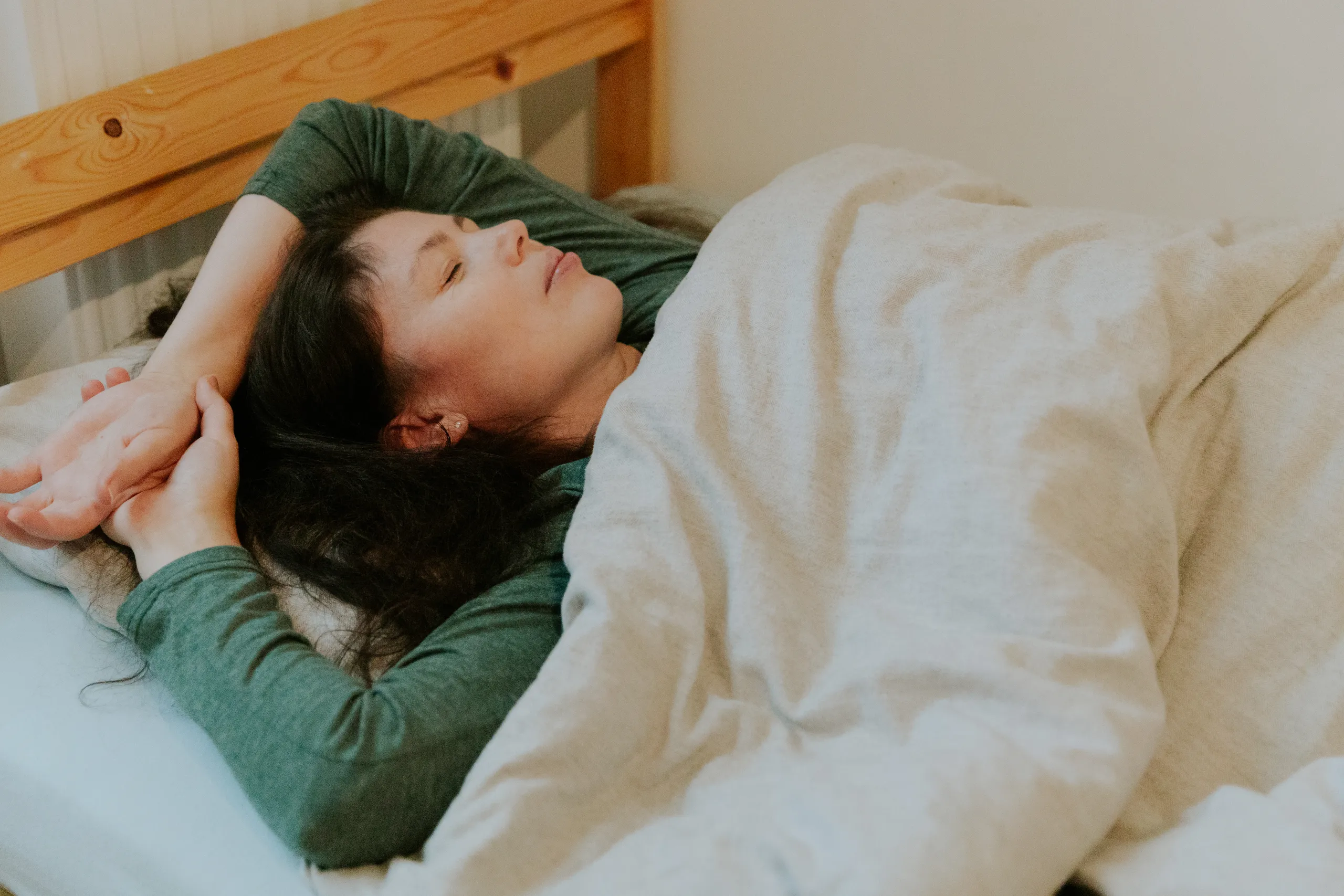
How Acupuncture May Support Relaxation and Better Sleep
For people experiencing nighttime anxiety, acupuncture may be used as part of a broader wellness plan focused on relaxation and stress support.
Potential benefits may include:
-
Supporting the body’s natural relaxation response
-
Helping reduce stress-related tension
-
Promoting a calmer state before sleep
-
Supporting healthier sleep patterns
-
Addressing factors that may contribute to stress imbalance
Acupuncture is often combined with lifestyle recommendations, mindfulness practices, and other supportive approaches to encourage long-term well-being.
Acupuncture for Anxiety and Sleep Support at Pulse Acupuncture
At Pulse Acupuncture, we take an individualized approach to stress, anxiety, and sleep concerns. Marina Doktorman, L.Ac. uses principles of Chinese medicine to evaluate each person’s unique symptoms, health history, and wellness goals.
Rather than focusing only on nighttime anxiety symptoms, treatment considers the broader connection between stress, sleep, emotional balance, and overall health.
An acupuncture session may include needles at specific points selected according to your individual needs. The goal is to support relaxation, promote balance, and help your body’s natural healing processes.
Whether anxiety affects your ability to fall asleep, causes nighttime restlessness, or contributes to ongoing stress, a personalized acupuncture approach may provide supportive care as part of your wellness routine.
When Should You Seek Professional Support for Nighttime Anxiety?
Occasional stress or worry at night is common. However, persistent anxiety that interferes with sleep, relationships, work, or daily activities may require professional support.
Consider seeking guidance if you experience:
-
Frequent difficulty falling asleep due to anxiety
-
Panic symptoms or intense fear episodes
-
Anxiety that affects daily functioning
-
Ongoing sleep disruption
-
Symptoms that continue despite lifestyle changes
A qualified healthcare professional can help determine appropriate support based on your individual situation.
FAQ About Anxiety at Night
Why do I feel anxious only at night?
Anxiety may feel stronger at night because daytime distractions decrease and the mind has more space to focus on worries, emotions, or physical sensations. Stress accumulated throughout the day may also become more noticeable during quiet evening hours.
Why does my anxiety get worse when I try to sleep?
When you try to sleep, external distractions decrease, which can make anxious thoughts more noticeable. Stress, irregular sleep patterns, and an activated nervous system may also make relaxation more difficult.
Can acupuncture help with anxiety and sleep?
Acupuncture may support relaxation, stress management, and sleep quality for some people. A personalized treatment plan considers individual symptoms, health history, and wellness goals.
How can I calm my mind before bed?
A calming bedtime routine, breathing exercises, mindfulness practices, and consistent sleep habits may help support relaxation before sleep. Some people also explore supportive approaches such as acupuncture as part of their overall wellness routine. Specific anxiety pressure points may be used to support calming practices between acupuncture sessions.