

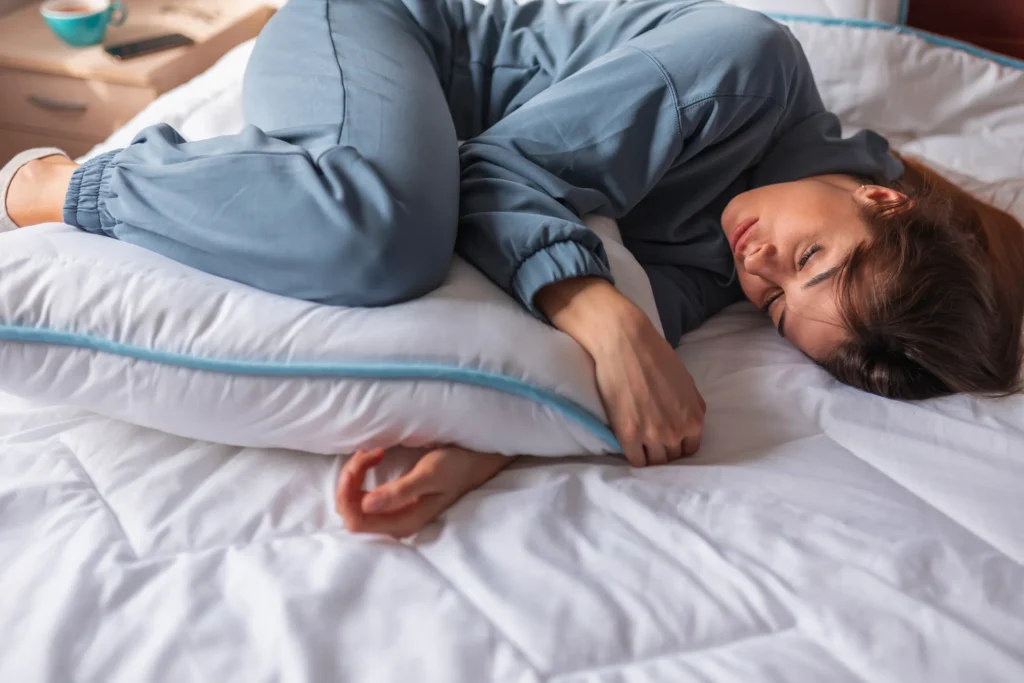
Lower back pain and sciatica can significantly affect sleep quality, making it difficult to find a comfortable position and maintain restful sleep throughout the night. Pain, stiffness, and nerve-related symptoms may become more noticeable when the body remains in one position for an extended period.
Understanding how sleeping positions, pillow support, and nighttime habits influence spinal alignment may help reduce discomfort and support better rest.
While sleep adjustments may improve comfort, persistent or recurring symptoms often require a personalized approach that addresses the underlying factors contributing to pain.
Why Does Sciatica and Lower Back Pain Get Worse at Night?
Many people notice that sciatica or lower back pain feels more intense at night. Several factors may contribute to increased nighttime discomfort.
Reduced Movement During Sleep
During the day, regular movement helps maintain circulation, joint mobility, and muscle flexibility. During sleep, the body remains still for several hours, which may increase stiffness and make existing discomfort more noticeable when changing positions.
Sleeping Position and Spinal Alignment
Certain sleeping positions may place additional stress on the lower back, hips, or irritated nerves. Poor spinal alignment can increase muscle tension and contribute to discomfort after lying in the same position for a prolonged period.
Maintaining a neutral spine position may help minimize unnecessary pressure on the lower back.
Increased Awareness of Pain at Night
Nighttime is often quieter and less distracting than daytime hours. Without regular activities competing for attention, some people become more aware of pain sensations and discomfort.
What Is the Best Sleeping Position for Sciatica and Lower Back Pain?
The optimal sleeping position varies depending on the source of discomfort, body structure, and personal comfort. However, certain positions may help support spinal alignment and reduce strain on the lower back.
Sleeping on Your Side With a Pillow Between Your Knees
Side sleeping with a pillow between the knees may help maintain better alignment between the hips, pelvis, and spine.
Keeping the knees slightly bent and placing a supportive pillow between the legs may reduce twisting through the lower back and create a more balanced sleeping posture.
This position may be especially comfortable for people who experience one-sided sciatica symptoms.
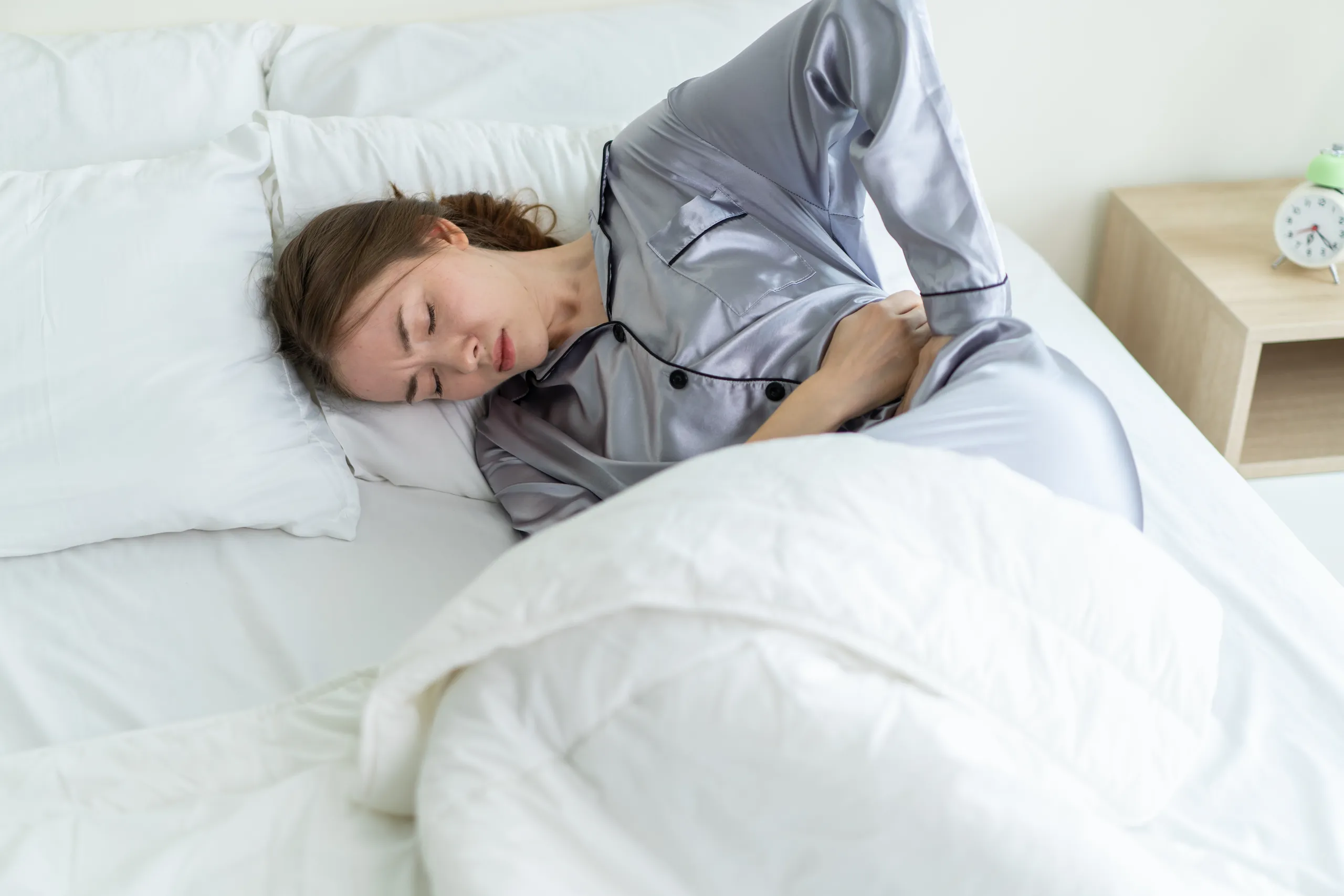
Sleeping on Your Back With Support Under Your Knees
Sleeping on your back may help distribute body weight evenly and support a neutral spinal position.
Placing a pillow under the knees can reduce tension in the lower back by helping maintain the natural curve of the lumbar spine.
For some individuals, additional lower back support from a properly positioned pillow may improve comfort during sleep.
Is Sleeping on Your Stomach Bad for Sciatica?
Stomach sleeping may increase strain on the lower back because it often requires the neck and spine to rotate for breathing.
This position may also increase the arch of the lower back, which can contribute to additional tension for some people with existing discomfort.
If stomach sleeping is your preferred position, placing a thin pillow under the hips or using a supportive mattress may help reduce excessive spinal extension. However, changing to a back or side sleeping position may provide better spinal support for many individuals.
How to Use Pillows for Better Sleep With Sciatica
Pillow placement can influence spinal alignment and overall sleep comfort. The right support depends on your preferred sleeping position and the location of your discomfort.
Pillow Between the Knees
For side sleepers, placing a pillow between the knees may help keep the hips aligned and reduce rotation through the lower back.
A supportive pillow can help maintain a more neutral posture by preventing the upper leg from pulling the pelvis forward during sleep.
Pillow Under the Knees
For people who sleep on their back, placing a pillow under the knees may reduce lower back tension.
This position can help maintain the natural curve of the lumbar spine while decreasing pressure on the lower back muscles and joints.
Choosing the Right Pillow Height
A pillow that is too high or too low may affect spinal alignment and contribute to neck or back discomfort.
The ideal pillow height supports a neutral position where the head, neck, and spine remain aligned without excessive bending.
Should You Use a Body Pillow for Sciatica?
A body pillow may provide additional support for people who experience discomfort while side sleeping.
It can help stabilize the legs and pelvis, which may reduce unnecessary movement during sleep. However, pillow preferences vary, and the most effective setup depends on individual symptoms and comfort needs.
Nighttime Habits That May Help Reduce Sciatica Discomfort
Sleep position is only one factor that can influence nighttime discomfort. Creating supportive evening habits may help the body transition into a more relaxed state before sleep.
Gentle Stretching Before Bed
Light stretching may help reduce muscle tightness and improve mobility before bedtime.
Movements should remain comfortable and controlled. Stretching that increases pain or causes additional nerve symptoms may not be appropriate for everyone.
Heat or Cold Therapy
Some people find that heat or cold applications provide temporary comfort for lower back discomfort.
Heat may help relax tense muscles, while cold therapy may be useful after activities that increase irritation. The most appropriate option depends on individual symptoms and response.
Creating a Relaxing Bedtime Routine
Stress and poor sleep quality can influence how the body experiences discomfort.
A consistent bedtime routine, reduced screen exposure before sleep, and relaxation techniques may support healthier sleep patterns.
Avoiding Long Periods of Sitting During the Day
Extended sitting may contribute to lower back stiffness and increased discomfort for some individuals.
Regular movement breaks, gentle activity, and proper sitting posture may help support spinal health throughout the day.
What Can Make Sciatica Pain Worse While Sleeping?
Certain sleep habits may increase discomfort or place additional stress on the lower back.
Sleeping in a Twisted Position
Positions that rotate the pelvis or spine for extended periods may increase tension through the lower back and surrounding structures.
Maintaining balanced support with pillows may help reduce unnecessary twisting.
Using an Unsupportive Mattress
A mattress that does not provide appropriate support may affect spinal alignment during sleep.
Both overly soft and overly firm mattresses may be uncomfortable depending on individual needs, body type, and preferred sleeping position.
Staying in One Position for Too Long
Remaining completely still for many hours may contribute to stiffness when waking.
Changing positions naturally during sleep and maintaining mobility during the day may help support comfort.
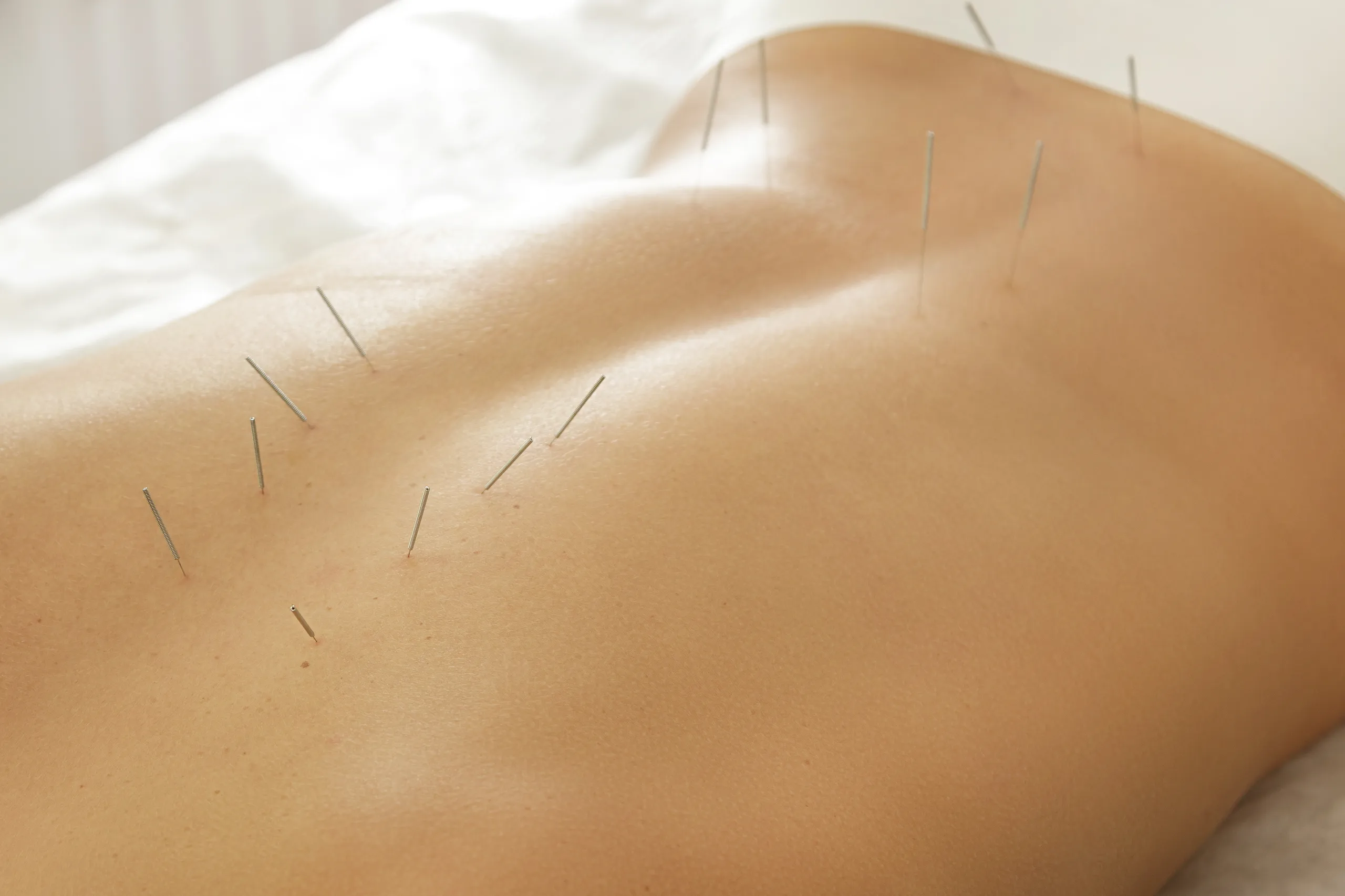
Can Acupuncture Help With Sciatica and Lower Back Pain?
Acupuncture is a holistic approach that may support pain management, relaxation, and overall wellness for individuals experiencing sciatica or lower back discomfort.
At Pulse Acupuncture, treatments are personalized based on each person’s symptoms, lifestyle factors, and health goals. From a TCM perspective, practitioners consider the relationship between the body’s systems and individual patterns when developing a treatment approach.
For people experiencing nerve-related discomfort, Acupuncture for Sciatica may be part of a broader wellness plan designed to support comfort and mobility.
Acupuncture may also be considered as a complementary approach for individuals managing ongoing lower back discomfort. Learn more about Acupuncture for Back Pain and how personalized treatments may support overall well-being.
When Should You Seek Professional Care for Sciatica?
While occasional lower back discomfort may improve with rest, movement, and lifestyle adjustments, certain symptoms require professional evaluation.
Consider seeking medical guidance if you experience:
-
Persistent or worsening lower back pain
-
Significant weakness in the legs
-
Numbness that does not improve
-
Difficulty with normal daily activities
-
Symptoms that continue despite self-care approaches
A healthcare professional can help identify potential causes of symptoms and recommend an appropriate treatment plan.
Frequently Asked Questions
What Is the Best Sleeping Position for Sciatica?
The best sleeping position for sciatica depends on individual symptoms and comfort preferences. Side sleeping with a pillow between the knees or back sleeping with support under the knees may help maintain spinal alignment and reduce lower back strain.
How Should I Sleep With Lower Back Pain?
Many people with lower back pain find that sleeping on their side with proper support or sleeping on their back with a pillow under the knees provides better comfort. The ideal position is one that supports a neutral spine and does not increase symptoms.
Why Does My Sciatica Hurt More at Night?
Sciatica may feel worse at night because reduced movement, prolonged positions, and increased awareness of discomfort can make symptoms more noticeable.
Can Acupuncture Help With Lower Back Pain?
Acupuncture may help support pain management and relaxation as part of an individualized treatment approach. Many people explore acupuncture as a complementary option alongside other healthy lifestyle practices and professional care.
Should I Sleep on My Side or Back With Sciatica?
Both side sleeping and back sleeping may be comfortable options for people with sciatica. The most suitable position depends on symptom location, spinal alignment, and personal comfort. Using supportive pillows may help improve positioning during sleep.