
How Effective Are Herbs for Fertility?
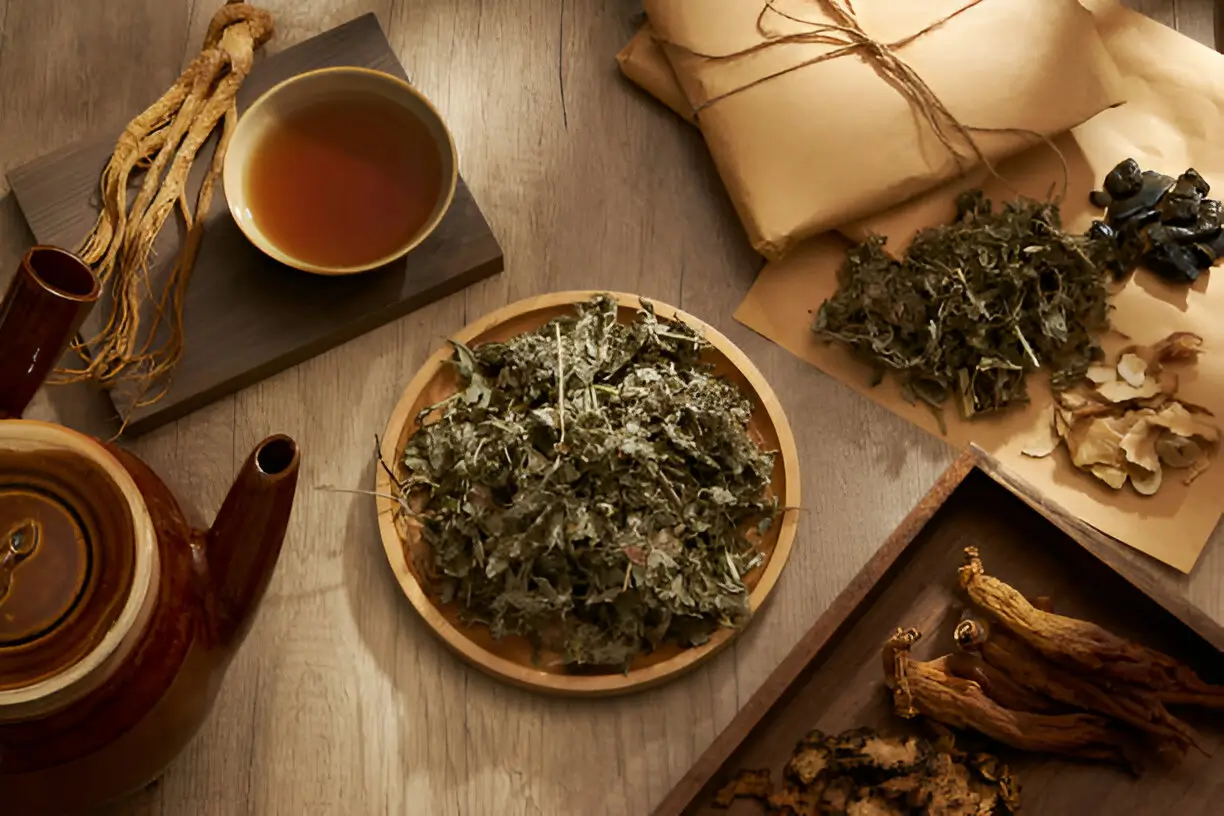
Herbs have been used for centuries in traditional Chinese medicine to support fertility. The effectiveness of these herbs can vary widely depending on the person, their health needs, and what role those herbs play in the fertility plan. For some, these natural remedies may give gentle support. They can improve blood circulation, balancing hormones, and reducing stress – all factors that can contribute to optimal reproductive health.
While many people report having positive experiences using herbs to support fertility, it is important to understand that herbs are not a magic pill. They work best when treating the underlying root causes of infertility. Herbs may be most effective when used alongside other holistic approaches, like acupuncture, diet adjustments, and lifestyle changes. Consulting with a professional is key to safely and effectively using these herbs because they can guide you in choosing the right combination, dosage, and timing for your specific cycle phase.
Understanding Fertility Through TCM (Common Patterns)
In Western medicine, infertility is often diagnosed as PCOS, endometriosis, low ovarian reserve, or unexplained infertility. In Traditional Chinese Medicine (TCM), these diagnoses are translated into specific internal patterns. A licensed herbalist will prescribe herbs based on these patterns:
- Kidney Deficiency (Low Ovarian Reserve / Age-Related): In TCM, the Kidneys store “Jing” or reproductive essence. A decline in Kidney Jing correlates with reduced egg quality and lower AMH levels. Herbs are used to nourish this essence.
- Liver Qi Stagnation (Stress / Irregular Cycles): The Liver regulates the smooth flow of blood and emotions. High stress causes Liver Qi stagnation, leading to irregular ovulation, PMS, and hormonal imbalances like PCOS.
- Blood Stasis (Endometriosis / Fibroids): If blood does not flow properly to the uterus, it creates stasis. This is often seen in patients with painful periods, dark clots, endometriosis, or a thin uterine lining.
Best Chinese Herbs For Fertility
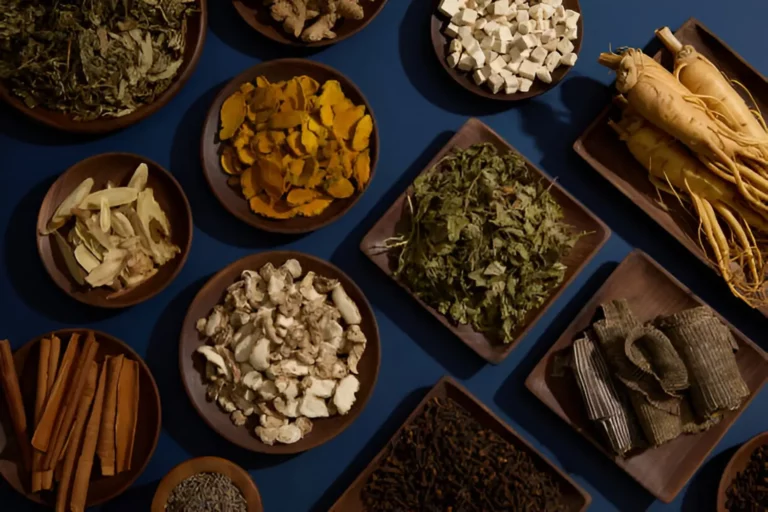
Finding the best Chinese herbs for fertility can be overwhelming without guidance. Certain Chinese herbs have been traditionally used to help balance the body, improve blood flow to the reproductive organs, and fix imbalances that might affect conception. While no Chinese herbal medicine for fertility guarantees results on its own, including these into a well-rounded plan can be highly beneficial.
The following list includes some of the most recognized Chinese herbs for fertility. Remember, in TCM, these are rarely taken alone; they are expertly combined into customized formulas to match your specific diagnosis.
1. Huang Qi (Astragalus)
Huang Qi, also known as Astragalus, is a staple in TCM with a long history of use for supporting overall health and immunity. This herb is particularly valued for its role in improving energy, stamina, and circulation. Astragalus can be taken as a supplement or used in herbal teas, as a convenient addition to a fertility-supporting regimen.
- TCM Action: Tonifies Qi (Energy) and lifts prolapsed energy.
- Fertility Benefit: Improves blood flow to the reproductive organs, creating a thicker, more favorable uterine lining for implantation.
- Best For: Unexplained infertility, immune-related implantation issues, and male infertility (improving sperm motility and count).
2. Yi Mu Cao (Chinese Motherwort)
Yi Mu Cao, or Chinese Motherwort, is a powerful herb in TCM often used to support women’s reproductive health. This herb is traditionally used to promote blood flow for a healthy menstrual cycle and proper uterine function.
- TCM Action: Invigorates Blood and regulates menses.
- Fertility Benefit: Helps reduce blood stagnation, clears old blood, and strengthens the uterine lining to make a more supportive environment for implantation.
- Best For: Irregular periods, painful menstrual cramps, and postpartum recovery.
3. Dong Quai (Angelica sinensis)
Dong Quai, often referred to as “female ginseng,” is a traditional Chinese medicine for fertility that has been used for centuries. It is well-regarded for its ability to regulate the menstrual cycle. Because Dong Quai has a potent effect on blood flow, it should be used cautiously, and professional guidance is recommended to ensure proper dosage and timing.
- TCM Action: Tonifies and invigorates the Blood.
- Fertility Benefit: Rich in ferulic acid, it supports healthy blood circulation to the pelvis and helps balance estrogen levels naturally.
- Best For: Absent periods (amenorrhea), pale menstrual blood, and conditions like endometriosis or uterine fibroids.
4. Fu Ling (Poria)
Fu Ling, known as Poria, is a therapeutic fungus commonly used in TCM to support digestion and reduce stress. Proper digestion is believed to contribute to a healthier reproductive system by ensuring that nutrients are absorbed efficiently.
- TCM Action: Drains Dampness and strengthens the Spleen.
- Fertility Benefit: Reduces fluid retention and inflammation in the pelvic cavity, creating a healthier internal environment.
- Best For: Polycystic Ovary Syndrome (PCOS), excess cervical mucus, and stress-related fertility issues.
5. Bai Shao (White Peony)
Bai Shao, or White Peony, has a long-standing history in Chinese medicine, particularly for its role in balancing hormones. When combined with other Chinese fertility herbs like licorice root, White Peony can be especially effective.
- TCM Action: Nourishes Blood and softens the Liver.
- Fertility Benefit: Supports the production of estrogen, helps balance androgen levels, and relaxes uterine spasms.
- Best For: PCOS (especially when combined with Licorice), short luteal phases, and stress-induced cycle irregularities.
6. Man Jing Zi (Vitex / Chaste Tree Berry)
Vitex is a popular herbal remedy for supporting hormonal balance and fertility. It is well-regarded for its ability to influence the pituitary gland, which plays a crucial role in regulating hormones like progesterone and luteinizing hormone (LH). Vitex is not a quick fix; it often requires consistent use over several months to show its full benefits.
- TCM Action: Harmonizes hormones and clears heat.
- Fertility Benefit: Improves the length of the luteal phase (the time between ovulation and the start of the period), which is critical for successful embryo implantation.
- Best For: Low progesterone, luteal phase defect, and irregular ovulation.
7. Sheng Ma (Black Cohosh)
Sheng Ma, known as Black Cohosh, is traditionally used to support women’s reproductive health, especially during menopause, but it has gained major attention for fertility. Proper usage can ensure it provides support without interfering with other aspects of a fertility plan.
- TCM Action: Clears heat and raises Qi.
- Fertility Benefit: Has phytoestrogen properties that can help support ovulation and thicken the uterine lining.
- Best For: Enhancing the effects of fertility medications like Clomid (under doctor supervision) and supporting healthy ovulation.
Can You Take Chinese Herbs During IVF or IUI?
A common question is whether Chinese herbs can be combined with Assisted Reproductive Technology (ART) like IVF or IUI. The answer is yes, but timing is crucial. TCM practitioners often recommend a 3-month preconception protocol using herbs to improve egg quality, regulate hormones, and increase ovarian response before starting an IVF cycle. However, most reproductive endocrinologists advise stopping all herbal supplements once you begin the stimulation medication phase of IVF to prevent any interactions. Always coordinate your herbal protocol with both your acupuncturist and your fertility doctor.
Why Do Women Over 40 Struggle With Infertility?
Infertility becomes a more common challenge for women as they age, particularly for women over 40. The primary reason for this is the decline in the number and quality of eggs (Ovarian Reserve). In TCM, this is viewed as a natural decline in Kidney Essence (Jing). As women age, not only are there fewer eggs, but the quality of the remaining eggs tends to decline, leading to lower AMH levels and higher FSH levels. This decrease in egg quality can make it more difficult to conceive and leads to a higher risk of miscarriage.
In addition to egg-related factors, other health issues can also affect fertility in older women. Conditions such as endometriosis, fibroids, and other uterine abnormalities are more likely to occur with age. Hormonal changes that accompany aging, like fluctuations in estrogen and progesterone levels, can further complicate the process of ovulation and implantation. Specialized herbal formulas aim to boost blood flow to the ovaries, potentially supporting better egg quality and creating a more receptive uterine environment.
Men over the age of 40 may also experience decreased fertility. Alongside lower sperm quality, motility, and morphology, the risk of genetic abnormalities increases with paternal age. There are highly effective solutions within TCM, including Chinese herbs for male fertility and sperm health, designed to tonify Kidney Yang and improve semen parameters.
Chinese Medicine for Natural Fertility at Pulse Acupuncture
Pulse Acupuncture offers natural fertility support through the principles of Traditional Chinese Medicine (TCM), providing customized herbs that help with fertility and offering a holistic approach to your journey. With locations in Clifton, NJ, and Williamsburg, Brooklyn, Pulse Acupuncture is led by Marina Doktorman, L.Ac., a licensed acupuncturist with extensive experience in using acupuncture for fertility.
Acupuncture and herbal therapy can help with fertility by improving blood flow to the reproductive organs, balancing hormones, and reducing stress – factors that are crucial for supporting a healthy menstrual cycle and ovulation. The treatments at Pulse Acupuncture aim to create a more balanced internal environment, potentially increasing the chances of conception naturally. This holistic approach is suitable whether you are trying to conceive naturally or in conjunction with assisted reproductive technologies like IVF.
By working with Marina Doktorman, patients can receive individualized care that prioritizes their well-being and fertility goals. With a focus on safety and personalized treatment plans, Pulse Acupuncture provides a supportive space if you’re seeking natural fertility solutions, incorporating options like fire cupping and wet cupping into the treatment plans as needed. Additionally, the clinic offers expertise in acupuncture services, which complements the use of Chinese herbs in Clifton, NJ and Chinese herbs in Brooklyn for a well-rounded approach to fertility care.
Read also:
- Ear Seeds: What to Know
- Chinese Herbs for Weight Loss
- What is Facial Rejuvenation Acupuncture and How Does it Work
Frequently Asked Questions about Chinese Herbs for Fertility
What are Chinese Herbs for Fertility?
Chinese herbs for fertility are a collection of plant-based remedies used in Traditional Chinese Medicine (TCM) to support reproductive health and enhance fertility. These herbs are carefully selected and formulated to balance the body’s energy (Qi), improve circulation, regulate hormones, and address underlying imbalances that may affect fertility.
How Do Chinese Herbs Work to Improve Fertility?
Chinese herbs work by balancing the body’s vital energy (Qi) and restoring harmony to the organs involved in reproduction, including the kidneys, liver, spleen, and uterus. They are often used to regulate menstrual cycles, improve egg quality, enhance sperm production, and support overall reproductive health. The herbs aim to restore the body to its natural state of balance, which is essential for conception.
Are Chinese Herbs Safe to Use for Fertility?
When prescribed and monitored by a trained TCM practitioner, Chinese herbs are generally considered safe. However, not all herbs are suitable for everyone, and some may interact with other medications or have side effects. It’s important to work with a licensed herbalist or acupuncturist who specializes in fertility to ensure the herbs are appropriate for your specific needs and health condition.
Can Chinese Herbs Help With Male Fertility?
Yes, Chinese herbs can also support male fertility by improving sperm quality, motility, and overall reproductive health. Herbs such as Ginseng, Goji berries, and Epimedium (Horny Goat Weed) are often used to boost sperm production, improve circulation, and enhance vitality. A TCM practitioner may suggest an individualized herbal treatment for men based on their specific needs.
Can Chinese Herbs Help With Conditions Like PCOS, Endometriosis, or Irregular Cycles?
Yes, Chinese herbs are often used to address fertility-related conditions such as PCOS (polycystic ovary syndrome), endometriosis, and irregular menstrual cycles. TCM can help regulate hormone levels, reduce inflammation, and improve blood circulation to the reproductive organs. Specific herbs and formulas are tailored to address the underlying causes of these conditions and support fertility.