

Understanding Stress’s Profound Impact on Your Body: A Holistic Perspective
Stress triggers a complex cascade of physiological, emotional, and behavioral responses, affecting virtually every system in the body, ranging from cardiovascular strain and immune suppression to digestive disruptions and profound emotional dysregulation. For individuals experiencing persistent symptoms, seeking a comprehensive understanding and targeted intervention is paramount. At Pulse Acupuncture, with convenient locations in Clifton, NJ and Williamsburg, Brooklyn, Marina Doktorman, L.Ac., provides a customized, holistic approach, employing Traditional Chinese Medicine (TCM) to address the root causes of stress-induced imbalances, offering efficacious, lasting relief without reliance on pharmaceuticals or surgical procedures. We recognize that true healing requires discerning the intricate interplay between mind, body, and environment to restore optimal vitality.
Prolonged exposure to stressors can compromise long-term health, increasing susceptibility to a myriad of diseases. Our unique methodology integrates precise diagnostic techniques with therapeutic modalities like acupuncture, cupping, and moxibustion to harmonize internal systems and bolster the body’s intrinsic capacity for healing. Understanding the nuanced impact of stress empowers individuals to pursue effective strategies for well-being.
- Stress elicits a “fight-or-flight” response, fundamentally altering bodily functions.
- Its effects manifest across physical, emotional, and behavioral spectra, often interconnected.
- Chronic stress can severely compromise long-term health, increasing disease susceptibility.
- Traditional Chinese Medicine offers a unique framework for discerning and treating stress-induced imbalances.
- Holistic interventions, like acupuncture, provide efficacious, lasting relief by addressing root causes.
For those navigating the complexities of stress, identifying a comprehensive solution is critical. Our approach at Pulse Acupuncture offers a pathway to regain balance and resilience, moving beyond symptomatic management to achieve enduring well-being. Individuals interested in exploring a natural, personalized path to stress alleviation are encouraged to learn more about how our services can provide profound relief and foster a healthier life trajectory. Discover effective strategies for managing stress and enhancing overall well-being with acupuncture.
Disclaimer: The information provided in this article is for educational purposes only and is not intended to be a substitute for professional medical advice, diagnosis, or treatment. Always seek the advice of your physician or other qualified health provider with any questions you may have regarding a medical condition.
The Physiological Manifestations: What Does Stress Do to the Body?
Stress initiates a profound physiological cascade by activating the sympathetic nervous system and the hypothalamic-pituitary-adrenal (HPA) axis, leading to acute surges in hormones such as cortisol and adrenaline. These neuroendocrine responses, while adaptive for short-term threats, profoundly impact multiple bodily systems when chronic. According to the American Psychological Association, chronic elevated cortisol levels are associated with significant health risks, including increased visceral adiposity, insulin resistance, and impaired cognitive function.

Sustained activation of these stress pathways results in detrimental alterations across vital physiological functions, compromising systemic integrity and escalating disease risk. Recognizing these pervasive impacts is the first step towards efficacious intervention.
- Cardiovascular System: Chronic stress maintains an elevated heart rate and constricts blood vessels, leading to increased blood pressure. This persistent strain heightens the risk of hypertension, arterial damage, and cardiovascular events such as myocardial infarction and stroke.
- Immune System: The initial acute stress response can temporarily boost immune function; however, chronic stress leads to significant immune suppression. This makes individuals more susceptible to infections, delays wound healing, and exacerbates inflammatory and autoimmune conditions by impairing the immune system’s regulatory capacities.
- Endocrine System: Prolonged stress dysregulates the intricate balance of hormones. This can impact metabolism, thyroid function, and reproductive health. For instance, chronic cortisol elevation can disrupt insulin sensitivity, contributing to metabolic disorders.
- What Does a Stress Period Look Like? Stress can significantly impact the menstrual cycle, often leading to irregularities such as missed periods (amenorrhea), lighter or heavier flow, or intensified menstrual cramps. This occurs due to the HPA axis disrupting the delicate hormonal balance required for regular ovulation and uterine lining development. Addressing such irregularities is crucial for reproductive health. Acupuncture offers a natural way to help manage menstrual cramps and associated irregularities.
- Digestive System: The “fight-or-flight” response redirects blood flow away from the digestive tract, impairing optimal function. Symptoms include nausea, abdominal pain, altered bowel habits (e.g., diarrhea or constipation, common in irritable bowel syndrome (IBS)), and exacerbation of conditions like acid reflux. Understanding the role of stress in IBS can lead to targeted relief. Furthermore, persistent stress can manifest as nausea, reflecting a visceral distress response.
- Can Stress Cause Nausea? Yes, stress can profoundly impact the digestive system, triggering nausea. This symptom often arises from the brain-gut axis’s heightened sensitivity during stressful periods, leading to gastric distress, altered motility, and increased acid production.
- Nervous System: Chronic stress impairs cognitive function, manifesting as memory deficits, reduced concentration, and difficulty making decisions. It significantly increases the risk of anxiety disorders and depression and heightens the perception of pain, contributing to chronic pain syndromes.
- Musculoskeletal System: Sustained muscle tension is a hallmark of chronic stress, leading to muscle stiffness, chronic pain, tension headaches, and jaw tightness, frequently associated with temporomandibular joint (TMJ) dysfunction.
- Skin and Hair: Stress can exacerbate existing dermatological conditions or trigger new ones, including eczema flare-ups, acne breakouts, and increased hair loss (telogen effluvium). Elevated stress hormones can directly impact skin barrier function and hair follicle cycles. Acupuncture for Eczema and acne provides natural relief.
- Energy Levels: Persistent physiological strain depletes the body’s energy reserves, leading to chronic fatigue, profound exhaustion, and burnout. This is often a result of sustained HPA axis activity and dysregulation of energy-producing cellular processes. Acupuncture can effectively address burnout and chronic fatigue.

Can You Get Sick from Stress and Anxiety? Yes, prolonged stress and anxiety can significantly weaken the immune system, making individuals more vulnerable to infections, slower wound healing, and exacerbating existing chronic conditions. This can manifest as frequent colds, flu, or other stress-related illnesses, underscoring the direct link between psychological state and physical health. The National Institutes of Health (NIH) highlights the extensive research on stress-induced immunosuppression.
Can Stress Cause Fever? While stress itself typically does not cause a true fever (elevated body temperature due to infection), severe psychological stress can induce a psychogenic fever. This phenomenon, characterized by a rise in body temperature often without infection, is linked to hypothalamic dysfunction and is a documented physiological response to intense emotional distress.
Beyond the Physical: Emotional and Behavioral Impacts of Stress
Stress extends profoundly beyond mere physical symptoms, significantly eroding emotional well-being and altering daily behaviors in subtle yet pervasive ways. Chronic exposure to stressors can reshape an individual’s psychological landscape, leading to a diminished quality of life and impaired interpersonal interactions.
An expert perspective reveals that ignoring the initial emotional and behavioral cues associated with stress can precipitate a deeper, more entrenched cycle of chronic stress and systemic health decline. Early recognition and intervention are critical for preventing progressive decompensation.
Emotional Health Examples of Stress:
- Irritability and pronounced mood swings, often manifesting as heightened reactivity to minor provocations.
- Escalated anxiety and panic attacks, characterized by sudden, intense fear responses. Acupuncture provides an effective approach for managing anxiety.
- Pervasive feelings of overwhelm, helplessness, or a profound lack of control over one’s circumstances.
- Development of depression or persistent sadness, impacting motivation and overall outlook. Explore how acupuncture can support relief from depression.
- Significant difficulty concentrating or making even routine decisions, indicating cognitive impairment.
- Emotional numbness or detachment, leading to a reduced capacity for empathy and connection.
Behavioral Shifts Caused by Stress:
- Stress Can Affect Your Driving By: Impairing concentration, increasing impulsivity, promoting aggressive driving behaviors, and significantly delaying reaction times. These factors collectively elevate the risk of traffic accidents.
- Profound changes in sleep patterns, ranging from severe insomnia and difficulty initiating or maintaining sleep, to excessive sleepiness that remains unrefreshing. Discover holistic treatments for insomnia with acupuncture.
- Significant alterations in appetite, manifesting as either compulsive overeating (often for comfort) or complete undereating due to loss of appetite. Acupuncture can support healthy weight management and address stress-related eating patterns.
- Increased social withdrawal or isolation, as individuals may feel overwhelmed by social interactions or lack the energy for them.
- Augmented reliance on maladaptive coping mechanisms, such as increased consumption of alcohol, tobacco, or excessive engagement with screen time and other addictive behaviors. Acupuncture offers valuable support for addiction recovery.
- Reduced productivity and diminished performance at work or school, impacting professional and academic trajectories.

The Traditional Chinese Medicine Perspective: Decoding Stress Through Body Mapping
In Traditional Chinese Medicine (TCM), stress is not merely an external phenomenon but an internal disharmony, primarily affecting the Liver, Heart, Spleen, and Kidney organ systems. Unlike Western medicine, which often compartmentalizes symptoms, TCM views the body as an interconnected energetic landscape where emotional and physical stressors disrupt the smooth flow of Qi (vital energy) and Blood.
In Traditional Chinese Medicine (TCM) theory, the Liver is responsible for the smooth flow of Qi throughout the body, a concept central to maintaining physiological and emotional equilibrium. Disruption of this flow, often by emotional stress, is a primary driver of imbalance. This foundational principle underscores how psychological distress can translate into a myriad of physical complaints.
How Chinese Medicine Body Mapping Reveals Stress:
TCM utilizes specific diagnostic techniques, including meticulous pulse and tongue examination, alongside nuanced body and face mapping, to discern specific patterns of disharmony caused by stress. These diagnostic methods provide a comprehensive energetic blueprint of an individual’s internal state, allowing for precise, personalized treatment strategies.
- Traditional Chinese Medicine Face Mapping for Stress: The face serves as a microcosm of internal health. Persistent forehead wrinkles or a ruddy, flushed complexion, particularly in the cheekbones, might indicate Heart Fire or Liver Qi Stagnation, reflecting internal heat and emotional agitation. Dark circles under the eyes, accompanied by a sallow complexion, can suggest Kidney Essence deficiency, often exacerbated by chronic stress and insufficient rest.
- Chinese Body Map & Stress Manifestations: Specific areas of the body can become “stuck” or painful due to stagnant Qi and Blood flow, manifesting in distinct ways depending on the affected meridian and organ system. This intricate connection provides profound insight into stress pathology. Understanding the Chinese Medicine Body Clock offers further insights into internal energetic patterns.
- Headaches and Migraines: Often linked to Liver Qi Stagnation, which impedes the smooth flow of Qi to the head, or Liver Yang Rising, causing a sudden, upward surge of energetic heat. Targeted acupuncture for headaches and migraines can offer significant relief.
- Neck and Shoulder Pain: Common areas for Qi and Blood stagnation resulting from emotional tension, manifesting as stiffness, tightness, and restricted movement. This “knotting” sensation reflects blocked energy. Addressing neck pain with acupuncture can release chronic tension.
- Digestive Upset (IBS): Often attributed to Spleen Qi deficiency, impairing the digestive function, or Liver overacting on Spleen and Stomach, disrupting digestion through emotional distress. This results in bloating, abdominal discomfort, and irregular bowel habits. Acupuncture offers relief for constipation and other digestive issues.
- Insomnia: Can stem from Heart Blood or Yin deficiency, failing to anchor the mind, or Heart Fire, leading to mental agitation and restless sleep. Stress exacerbates these patterns, creating a vicious cycle. Experience natural solutions for insomnia through acupuncture.
- Menstrual Irregularities: Strongly associated with Liver Qi Stagnation, which disrupts the Chong and Ren meridians—the primary conduits for reproductive health. This can lead to painful periods, irregular cycles, or amenorrhea.
- High Blood Pressure: Frequently related to Liver Yang Rising, a pattern often triggered by chronic stress, anger, and frustration, leading to symptoms like headaches, dizziness, and a flushed face. Acupuncture offers a supportive approach for managing high blood pressure.
Common TCM Patterns of Disharmony Due to Stress:
- Liver Qi Stagnation: The most prevalent pattern, stemming from constricted emotional expression. Manifests as irritability, frustration, mood swings, digestive issues, neck tightness, temporal headaches, breast tenderness, and irregular or painful periods.
- Heart Blood Deficiency / Heart Fire: Chronic stress depletes Heart Blood, leading to anxiety, insomnia, palpitations, poor memory, and sometimes psychogenic fever. Heart Fire manifests with agitation, vivid dreams, and a red tip on the tongue.
- Spleen Qi Deficiency: Stress can deplete Spleen Qi, which governs digestion and transformation. This leads to profound fatigue, poor appetite, abdominal bloating, loose stools, and difficulty concentrating due to a weakened “Earth” element.
- Kidney Yin / Essence Deficiency: Chronic, sustained stress can profoundly drain Kidney energy, the body’s fundamental reserve. This results in burnout, low libido, chronic lower back pain, night sweats, tinnitus, and accelerated signs of aging.
Can Stress Kill You? While stress itself does not directly kill, chronic, unmanaged stress significantly increases the risk of life-threatening conditions such as heart attack, stroke, severe immune compromise, and exacerbation of mental health disorders that can lead to profound self-harm. According to the World Health Organization (WHO), chronic work-related stress alone contributes to a substantial burden of cardiovascular disease and mental health conditions. Therefore, proactively managing stress is crucial for longevity and overall vitality.
Holistic Relief: Mitigating Stress’s Effects with Traditional Chinese Medicine
At Pulse Acupuncture, our approach transcends mere symptomatic relief by addressing the root causes of stress-induced imbalances, offering truly lasting support for comprehensive well-being. We understand that effective stress management requires a personalized strategy that respects each individual’s unique constitution and manifestations of disharmony. Our goal is to restore the body’s innate capacity for resilience and self-regulation.
Marina Doktorman, L.Ac., employs a unique, personalized treatment strategy. She integrates modern techniques with time-honored Traditional Chinese Medicine practices, meticulously tailored to each patient’s diagnostic pattern. This ensures that interventions are not generalized but precisely targeted for maximal efficacy.
| Feature | Western Medicine Approach | Traditional Chinese Medicine (TCM) Approach |
|---|---|---|
| Focus | Symptom management, physiological pathways, pharmaceutical intervention | Restoring internal balance, identifying root patterns of disharmony, holistic healing |
| Diagnosis | Lab tests, imaging, psychological assessments | Pulse diagnosis, tongue diagnosis, detailed intake, body mapping |
| Treatment | Medication, psychotherapy, lifestyle recommendations | Acupuncture, cupping, moxibustion, herbal medicine, dietary therapy, lifestyle modifications |
| Goal | Reduce symptoms, manage condition | Cultivate comprehensive well-being, prevent recurrence, enhance vitality |
| Perspective | Primarily physiological, often compartmentalized | Integrated mind-body-spirit, interconnected systems, individualized |
Our comprehensive treatment modalities for stress include:
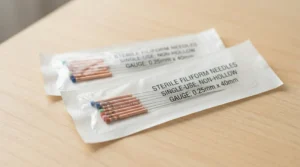
- Acupuncture: Precise placement of fine, sterile needles at specific points on the body harmonizes Qi, regulates nervous system function, and alleviates physical and emotional tension. This often includes points specifically chosen to soothe the Liver, nourish the Heart Blood, fortify the Spleen, or tonify the Kidneys, depending on the identified TCM pattern of disharmony. Acupuncture promotes the release of endorphins and modulates neurotransmitter activity, fostering a state of profound relaxation.
- Cupping Therapy: Utilized to move stagnant Qi and Blood, release deep-seated muscle tension, and promote circulation, particularly beneficial for stress-related neck, shoulder, and back pain. Cupping draws out toxins and helps to disperse energetic blockages that contribute to discomfort and emotional constriction.
- Moxibustion: The application of gentle, warming heat to specific acupuncture points enhances Qi flow, invigorates circulation, and provides deep therapeutic comfort. This technique is particularly effective for patterns involving cold or deficiency, which can be exacerbated by chronic stress.
- Herbal Medicine: Custom-tailored herbal formulas are prescribed to address specific TCM patterns of disharmony, offering potent botanical support to the body’s natural resilience to stress. These formulas work synergistically to restore balance, calm the spirit, and strengthen weakened organ systems.
- Dietary and Lifestyle Guidance: Empowering patients with practical advice on nutrition, exercise, mindfulness, and sleep hygiene is integral to sustaining balance beyond the clinic. These recommendations are individualized to support the energetic patterns identified during diagnosis.
Our holistic approaches aim to provide lasting relief, preventing the cyclical patterns of chronic stress and fostering optimal health without reliance on surgical procedures or pharmaceuticals. By addressing the fundamental energetic imbalances, we empower individuals to achieve profound and enduring improvements in their physical and emotional well-being. This integrated approach represents a profound commitment to alternative medicine as a holistic pathway to health, allowing patients to truly thrive. Many patients experience significant improvements within 3-6 sessions, unlocking their best acupuncture results.
FAQ — People Also Ask
What are the main types of stress?
Stress manifests in various forms, including acute stress (short-term, intense, and typically brief), episodic acute stress (frequent and recurrent episodes of acute stress), and chronic stress (prolonged, persistent, and often overwhelming). Each type can have distinct impacts on the body and mind, requiring different management strategies.
How can I naturally reduce stress symptoms?
Natural methods to reduce stress symptoms include engaging in regular physical activity, practicing mindfulness techniques such as meditation and deep breathing, prioritizing sufficient sleep, maintaining a balanced and nourishing diet, fostering strong social connections, and incorporating self-care practices like acupressure. For more targeted and profound relief, however, a personalized holistic treatment like acupuncture is highly recommended. Learn about acupressure points for anxiety and stress relief you can do at home.
Is professional help necessary for stress management?
While self-care strategies offer foundational benefits, professional help becomes necessary when stress feels overwhelming, persistently interferes with daily functioning, or manifests as chronic physical or emotional symptoms. A qualified practitioner, such as a licensed acupuncturist, can identify underlying energetic imbalances and provide targeted, effective treatments to restore balance.
When should you seek acupuncture for stress?
You should seek acupuncture for stress when self-care measures prove insufficient, when stress-related symptoms become chronic or debilitating, or when you desire a holistic approach to address the root causes of your stress rather than merely managing surface symptoms. Acupuncture offers a safe, effective, and non-pharmacological pathway to restore internal balance, enhance resilience, and cultivate lasting well-being.
Is stress always bad for your body?
No, not all stress is inherently negative. Acute stress, often referred to as “eustress,” can be beneficial; it motivates performance, enhances focus, and can even promote personal growth and adaptation. However, when stress becomes chronic, overwhelming, or the body struggles to adequately recover and return to homeostasis, it transitions into “distress,” which is unequivocally detrimental to overall health.
-

Marina Doktorman, M.S., L.Ac., is an experienced acupuncturist who obtained her Masters of Acupuncture from the Tri-State College of Acupuncture in New York City in 2001. During her studies, she focused on Chinese Herbology, a branch of Traditional Chinese Medicine (TCM) that utilizes herbs to complement acupuncture treatments. Marina is licensed in both New York (NY) and New Jersey (NJ) and holds a Diplomate of Acupuncture from the National Certification Commission for Acupuncture and Oriental Medicine (NCCAOM), indicating her expertise in the field.