

For individuals navigating the complexities of infertility associated with Polycystic Ovary Syndrome (PCOS), a multifaceted approach typically yields the most beneficial outcomes. While conventional Western medical interventions such as ovulation-inducing medications (e.g., Clomiphene, Letrozole) and assisted reproductive technologies (ART) like In Vitro Fertilization (IVF) are widely utilized, holistic strategies offer significant complementary and alternative pathways. Acupuncture, in particular, presents a compelling option for ovulation regulation in PCOS, addressing underlying hormonal imbalances and improving reproductive function without reliance on pharmaceuticals or invasive procedures. At Pulse Acupuncture, Marina Doktorman, L.Ac., employs a personalized application of traditional acupuncture techniques, often integrated with Chinese herbal medicine and specific lifestyle modifications, to restore ovulatory rhythm and enhance natural conception potential. This integrative model prioritizes individualized treatment plans, meticulously tailored to each patient’s unique physiological presentation and fertility objectives.
Understanding Polycystic Ovary Syndrome (PCOS) and its Fertility Impact
Polycystic Ovary Syndrome (PCOS) represents a prevalent endocrine disorder, affecting approximately 6-12% of women of reproductive age in the United States, according to the Centers for Disease Control and Prevention. This condition is characterized by a constellation of symptoms including irregular menstrual cycles, hyperandrogenism (elevated androgen levels leading to symptoms like hirsutism, acne, and androgenic alopecia), and polycystic ovaries visualized on ultrasound. The primary fertility challenge for individuals with PCOS is chronic anovulation or oligo-ovulation, meaning infrequent or absent egg release. Without regular ovulation, natural conception becomes significantly impeded.
Insulin resistance frequently co-occurs with PCOS, affecting 70-80% of lean and obese women with the condition. This resistance compels the pancreas to produce excessive insulin, which can then stimulate the ovaries to produce more androgens, further disrupting ovarian function and exacerbating anovulation. Elevated androgen levels also interfere with follicle development, preventing mature eggs from being released. The complex interplay of hormonal dysregulation—including imbalances in luteinizing hormone (LH), follicle-stimulating hormone (FSH), and insulin—creates a challenging environment for reproductive health.
Beyond anovulation, PCOS can contribute to other reproductive issues, such as increased risk of miscarriage and gestational diabetes once pregnancy is achieved. A comprehensive diagnostic approach, evaluating menstrual history, clinical signs of hyperandrogenism, and ovarian morphology, is crucial for accurate diagnosis and effective treatment planning. Addressing the various facets of PCOS, rather than solely focusing on ovulation, is paramount for sustainable fertility outcomes. For a deeper understanding of this condition, visit our dedicated page on acupuncture for PCOS.
Conventional Fertility Treatments for PCOS
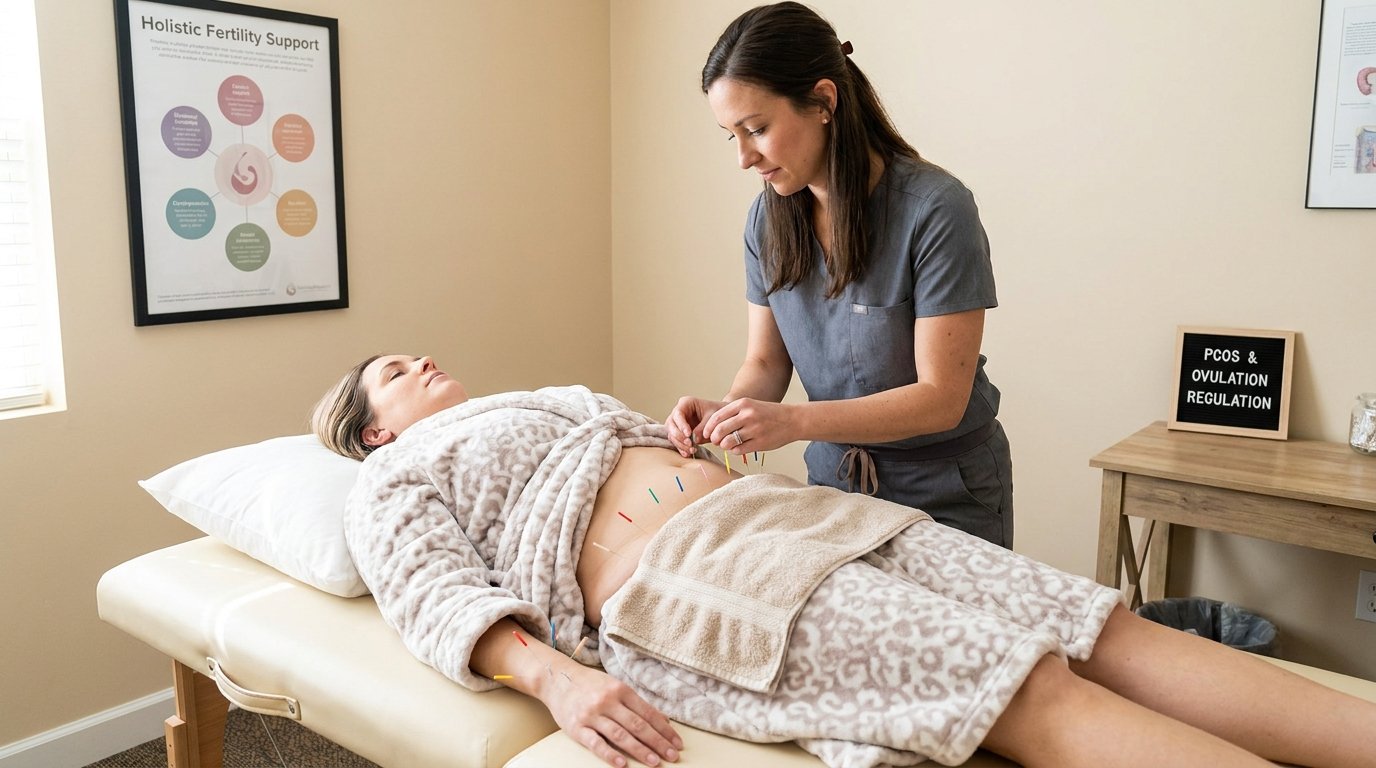
Conventional Western medicine offers several established approaches to address infertility stemming from PCOS, primarily targeting the restoration of ovulation. Lifestyle modifications are universally recommended as the foundational intervention. These typically involve dietary changes and regular physical activity, which can significantly improve insulin sensitivity, reduce androgen levels, and sometimes restore spontaneous ovulation. For instance, studies indicate that losing even a modest 5-10% of body weight can improve menstrual function and fertility rates in women with obesity and PCOS, as highlighted by the Eunice Kennedy Shriver National Institute of Child Health and Human Development.
Pharmacological interventions constitute the next tier of treatment. These medications aim to induce ovulation by modulating hormonal pathways:
- Clomiphene Citrate (Clomid): This oral anti-estrogen is often the first-line medication. It works by blocking estrogen receptors in the hypothalamus, prompting the pituitary gland to release more FSH and LH, thereby stimulating ovarian follicle growth and ovulation. Success rates for ovulation with clomiphene are approximately 60-80%, with live birth rates around 20-40% per cycle.
- Letrozole (Femara): An aromatase inhibitor, letrozole temporarily reduces estrogen production, leading to increased FSH release. Research, including an NICHD-supported study, has indicated that letrozole may be more effective than clomiphene in achieving ovulation and live births for women with PCOS. It is increasingly utilized as a primary ovulation induction agent.
- Metformin: An insulin-sensitizing drug, metformin is commonly prescribed, especially for women with insulin resistance. While it improves insulin sensitivity and can restore ovulation in some cases, its direct impact on pregnancy rates when used alone is less pronounced compared to ovulation induction agents. It is frequently used in conjunction with clomiphene.
- Gonadotropins: Injectable hormones (FSH or human menopausal gonadotropin) directly stimulate ovarian follicle development. These are typically reserved for cases unresponsive to oral medications due to higher costs, the need for intensive monitoring, and an increased risk of multiple pregnancies and Ovarian Hyperstimulation Syndrome (OHSS).
Surgical intervention, such as ovarian drilling, may be considered if medical treatments prove unsuccessful. This laparoscopic procedure involves puncturing small holes in the ovarian surface to reduce androgen-producing tissue, potentially improving ovulation for a limited period. When other treatments fail, Assisted Reproductive Technologies (ART), most notably In Vitro Fertilization (IVF), offer the highest probability of pregnancy for individuals with PCOS. IVF involves retrieving eggs, fertilizing them in a laboratory, and transferring the resulting embryos into the uterus. However, IVF is associated with significant financial commitment, emotional investment, and potential risks, making less invasive options preferable when feasible.
Acupuncture for Ovulation Regulation in PCOS
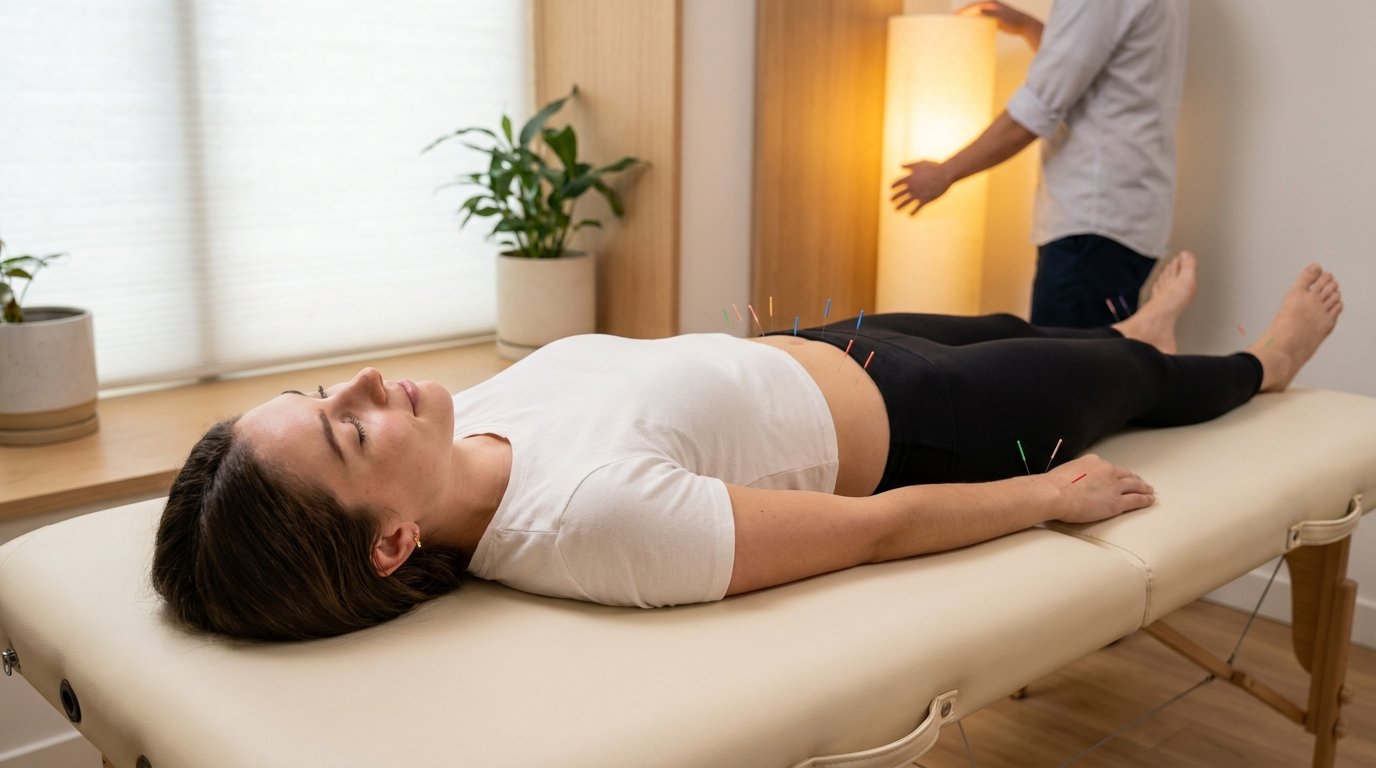
Acupuncture offers a compelling and painless complementary or alternative treatment for regulating ovulation in individuals with PCOS, addressing the condition from a holistic perspective. This traditional Chinese medicine (TCM) modality involves the strategic insertion of fine needles at specific points on the body. The therapeutic mechanisms of acupuncture in PCOS are multi-faceted, encompassing hormonal regulation, improved ovarian function, and systemic metabolic benefits.
Acupuncture has demonstrated efficacy in modulating the hypothalamic-pituitary-ovarian (HPO) axis, which is central to reproductive function. It can help normalize the secretion of gonadotropins, specifically by lowering elevated LH/FSH ratios often observed in PCOS, and reducing sympathetic nervous system activity. Research indicates that acupuncture can decrease androgen levels, such as testosterone, and improve insulin sensitivity by enhancing glucose utilization and reducing insulin resistance, similar to the effects of exercise and metformin. This contributes to a more favorable hormonal environment for ovulation to occur.
Furthermore, acupuncture significantly enhances blood flow to the ovaries, promoting optimal follicular development and improving egg quality. By increasing microcirculation, acupuncture ensures a richer supply of nutrients and oxygen to the ovarian tissues, which is crucial for healthy ovum maturation. This enhanced local environment supports the ovaries’ capacity to function efficiently and release mature eggs. For patients seeking to improve their fertility journey, acupuncture provides a natural pathway. Explore more about acupuncture for Fertility to understand its comprehensive benefits.
Acupuncture also plays a profound role in stress reduction, a critical factor for individuals experiencing infertility. Chronic stress can disrupt the delicate hormonal balance necessary for ovulation by influencing cortisol levels and other stress hormones. Acupuncture calms the nervous system, reducing anxiety and promoting a state of relaxation, which in turn supports hormonal equilibrium. This holistic approach, targeting both physiological and psychological aspects, creates an optimal internal environment for conception.
A typical acupuncture treatment course for PCOS fertility often involves weekly or bi-weekly sessions over several months, depending on the individual’s specific presentation and response. Marina Doktorman, L.Ac., customizes point prescriptions to target specific imbalances identified through TCM diagnosis, such as Kidney Essence deficiency, Liver Qi stagnation, or Phlegm-Damp accumulation. Points commonly selected include those on the abdomen, lower back, and legs, known for their influence on reproductive organs, hormone regulation, and metabolic function.
- Acupuncture at points such as SP6, ST36, and CV4 can enhance blood circulation to the uterus and ovaries.
- Points like LV3 and LI4 assist in regulating qi and blood flow, easing stress and promoting hormonal balance.
- PC6 and HT7 are often utilized to calm the mind and reduce sympathetic nervous system overdrive, mitigating stress-induced hormonal disruptions.
- Customized combinations of points address individual TCM patterns, ensuring a targeted and effective therapeutic strategy.
Integrating Chinese Herbal Medicine with Acupuncture for Optimal PCOS Fertility Outcomes
Integrating Chinese herbal medicine with acupuncture represents a powerful synergistic strategy for optimizing fertility outcomes in individuals with PCOS. While acupuncture provides targeted physiological regulation, Chinese herbal formulas offer sustained internal support, working to correct underlying systemic imbalances over time. This dual approach maximizes the therapeutic potential by addressing the root causes of PCOS-related infertility from multiple angles.
Chinese herbal medicine is characterized by its highly personalized nature. Marina Doktorman, L.Ac., conducts a comprehensive TCM diagnosis, evaluating symptoms such as menstrual cycle regularity, basal body temperature patterns, digestive function, energy levels, and emotional state, alongside pulse and tongue diagnostics. This assessment informs the selection of specific herbal formulas tailored to the individual’s unique TCM pattern, rather than a generic PCOS protocol. For instance, a patient presenting with “Kidney Yin deficiency” might receive herbs to nourish Yin and blood, while someone with “Liver Qi stagnation” would receive herbs to promote Qi flow and reduce emotional stress.
Common TCM patterns associated with PCOS and their corresponding herbal strategies include:
- Kidney Deficiency (Yin, Yang, or Jing): Often manifested as irregular periods, low libido, and fatigue. Herbs like Rehmannia (Shu Di Huang) or Morinda (Ba Ji Tian) are used to fortify kidney essence and reproductive function.
- Liver Qi Stagnation: Characterized by irritability, breast tenderness, and premenstrual syndrome (PMS), indicating obstructed energy flow. Herbs such as Bupleurum (Chai Hu) and White Peony Root (Bai Shao) help to smooth Liver Qi and regulate hormones.
- Phlegm-Damp Accumulation: Presenting as obesity, ovarian cysts, and sluggish metabolism. Herbs like Poria (Fu Ling) and Atractylodes (Bai Zhu) are employed to resolve dampness and strengthen digestive function.
- Blood Stasis: Symptoms may include painful periods, dark menstrual blood, or fibroids, suggesting impaired circulation. Herbs like Peach Kernel (Tao Ren) and Safflower (Hong Hua) are used to invigorate blood and clear stagnation.
The combination of acupuncture and personalized herbal formulas works to regulate the menstrual cycle, promote healthy ovulation, reduce androgen excess, and improve insulin sensitivity. This comprehensive strategy not only enhances the chances of conception but also fosters overall reproductive health and well-being. The herbs are prescribed in various forms, including decoctions, tinctures, or encapsulated powders, ensuring ease of use and adherence. It is imperative that Chinese herbal medicine for fertility is prescribed and monitored by a qualified and licensed practitioner to ensure safety and efficacy, avoiding potential interactions with other medications or adverse effects.
Lifestyle and Dietary Modifications for Enhanced PCOS Fertility

Lifestyle and dietary modifications form a crucial cornerstone in the management of PCOS and the enhancement of fertility, often serving as a foundational complement to both Western medical treatments and TCM interventions. These changes are within an individual’s direct control and can significantly impact hormonal balance, insulin sensitivity, and overall reproductive health. Adopting these habits is not merely supplementary; it is an integral part of a successful fertility treatment plan for PCOS.
Dietary adjustments are particularly impactful due to the strong link between PCOS and insulin resistance. A diet emphasizing whole, unprocessed foods, lean proteins, healthy fats, and complex carbohydrates is generally recommended. Specifically, a low glycemic index (GI) and anti-inflammatory diet can help stabilize blood sugar levels, reduce insulin spikes, and consequently lower androgen production. This involves minimizing refined sugars, processed grains, and inflammatory foods like excessive red meat and dairy. Instead, focus on:
- Fiber-Rich Foods: Vegetables, fruits, legumes, and whole grains improve gut health, regulate blood sugar, and aid in hormone metabolism.
- Lean Proteins: Chicken, fish, tofu, and legumes support satiety and muscle maintenance without exacerbating insulin issues.
- Healthy Fats: Avocados, nuts, seeds, and olive oil provide essential fatty acids critical for hormone production and reducing inflammation.
- Antioxidant-Rich Foods: Berries, leafy greens, and colorful vegetables combat oxidative stress, which can negatively impact egg quality.
Regular physical activity also plays a pivotal role in improving insulin sensitivity and managing weight, both of which are critical for PCOS fertility. Moderate-intensity exercise, such as brisk walking, cycling, or swimming, for at least 30 minutes most days of the week, can significantly reduce insulin resistance and promote hormonal balance. While vigorous exercise has benefits, excessive high-intensity training can sometimes elevate cortisol levels, potentially counteracting desired hormonal regulation. The key is consistency and finding an activity level that feels sustainable and enjoyable.
Stress management is another vital component. Chronic stress can disrupt the HPO axis, affecting ovulation and increasing androgen levels. Incorporating stress-reducing practices is essential. These can include meditation, yoga, deep breathing exercises, spending time in nature, or engaging in hobbies. Addressing stress holistically can profoundly impact hormonal regulation. Learn more about How to Lower Cortisol Levels to support your journey. Adequate sleep hygiene, aiming for 7-9 hours of quality sleep per night, further supports hormonal balance and overall well-being. By integrating these comprehensive lifestyle and dietary changes, individuals with PCOS can create a more conducive internal environment for natural ovulation and successful conception.
Success Rates and Expectations for PCOS Fertility Treatments
Understanding the success rates and establishing realistic expectations are vital components of any fertility journey, particularly for individuals with PCOS. Success rates vary significantly depending on the specific treatment modality, individual patient factors such as age, BMI, and the presence of other comorbidities, and the duration of treatment. It is crucial to engage in open dialogue with healthcare providers to comprehend these variables fully.
For conventional Western medical treatments, success rates typically present as follows:
- Clomiphene Citrate: As previously mentioned, ovulation rates range from 60-80%, with pregnancy rates per cycle around 20-40%. Cumulative pregnancy rates over 3-6 cycles can reach 40-50%.
- Letrozole: Studies suggest letrozole may offer slightly higher ovulation and live birth rates compared to clomiphene in PCOS patients, with ovulation rates exceeding 80% and live birth rates per cycle potentially up to 25-30%.
- Metformin (alone): While improving insulin sensitivity and potentially restoring ovulation in some, metformin alone has a modest impact on live birth rates. Its primary benefit is often seen in combination with ovulation induction agents.
- Gonadotropins: These injectable hormones can achieve ovulation in a high percentage of patients (around 70-85%), with pregnancy rates per cycle ranging from 15-25%, but they carry increased risks.
- IVF: For cases where other treatments have failed, IVF offers the highest per-cycle success rates. According to the Society for Assisted Reproductive Technology (SART), the national average live birth rate per IVF cycle for women under 35 is approximately 45-50%, though this can vary based on individual factors.
For acupuncture and Chinese herbal medicine, assessing precise success rates can be more complex due to the individualized nature of treatment and the common use of these modalities as adjunctive therapies. However, accumulating research supports their efficacy:
- Studies have shown that acupuncture can significantly improve ovulation rates in women with PCOS. One meta-analysis found that acupuncture, particularly electro-acupuncture, could improve menstrual frequency and decrease LH/FSH ratios and testosterone levels.
- When integrated with IVF, acupuncture has been shown to improve pregnancy rates and live birth rates. A systematic review published in the journal Fertility and Sterility indicated that acupuncture administered around the time of embryo transfer could increase clinical pregnancy rates by 8-10%.
- For individuals seeking to conceive naturally, a course of acupuncture and Chinese herbal medicine often extends for 3-6 months to establish regular ovulation and optimize the uterine environment. Our article on Why 3-6 Sessions Unlock Your Best Acupuncture Results provides further insights.
An expert recommendation is to approach PCOS fertility treatment with a comprehensive, personalized strategy, rather than relying on a single modality. A common professional mistake is the “one-size-fits-all” application of protocols, neglecting the unique energetic imbalances and symptomatic presentation of each individual. Marina Doktorman, L.Ac., emphasizes tailoring treatment to the specific TCM diagnosis, which optimizes outcomes. For instance, a patient with significant insulin resistance might benefit more from a focus on specific points and herbs that regulate metabolism, whereas another patient with primary Liver Qi stagnation might require different herbal formulas and needling techniques to alleviate stress and promote smooth Qi flow. This individualized approach is paramount for enhancing PCOS fertility treatment success rates. While the cost of acupuncture varies, patients can expect initial consultations to range from $150–$250, with follow-up sessions between $80–$150. For a comprehensive overview of treatment expenses, refer to How Much Does Acupuncture Cost? Your Complete Price Guide for 2026.
Comparison of PCOS Fertility Treatment Options
This table offers a comparative overview of common fertility treatment options for Polycystic Ovary Syndrome, highlighting their mechanisms, advantages, and considerations.
| Treatment Option | Primary Mechanism | Pros | Cons |
|---|---|---|---|
| Lifestyle Modifications (Diet & Exercise) | Improves insulin sensitivity, reduces androgen levels, promotes weight management. | Non-invasive, no side effects, improves overall health, cost-effective. | Requires significant discipline, results can be slow, may not be sufficient for all. |
| Clomiphene/Letrozole | Induces ovulation by modulating pituitary hormone release (FSH/LH). | Oral medication, relatively low cost, generally well-tolerated, good first-line success. | Potential for multiple pregnancies, side effects (hot flashes, mood changes), not effective for all patients. |
| Acupuncture & Chinese Herbs | Regulates HPO axis, reduces androgens, improves insulin sensitivity, enhances ovarian blood flow, reduces stress. | Holistic, minimal side effects, addresses underlying imbalances, can be synergistic with Western medicine. | Requires consistent sessions, effects may take time to manifest, practitioner expertise is crucial. |
| In Vitro Fertilization (IVF) | Bypasses natural conception, direct embryo transfer. | Highest per-cycle success rates, effective when other treatments fail, addresses multiple fertility factors. | High cost, emotionally and physically demanding, potential for OHSS and multiple pregnancies. |
Disclaimer: This article provides general information and is not a substitute for professional medical advice. Always consult with a qualified healthcare provider for diagnosis and treatment of PCOS and related fertility issues. Individual results with any treatment method may vary significantly.
FAQ
What is the primary fertility challenge in PCOS?
The primary fertility challenge in Polycystic Ovary Syndrome (PCOS) is chronic anovulation or oligo-ovulation, which means the infrequent or complete absence of egg release. This ovulatory dysfunction stems from hormonal imbalances, including elevated androgens and insulin resistance, which disrupt the normal menstrual cycle and prevent mature follicles from developing and rupturing to release an egg.
How does acupuncture assist with PCOS-related infertility?
Acupuncture assists with PCOS-related infertility by regulating hormonal balance, specifically by normalizing the hypothalamic-pituitary-ovarian (HPO) axis, reducing elevated androgen levels, and improving insulin sensitivity. It also enhances blood flow to the ovaries, promotes follicular development, and significantly reduces stress, all of which contribute to more regular ovulation and a more favorable environment for conception.
Which conventional medications are used for PCOS fertility?
Conventional medications commonly used for PCOS fertility include oral ovulation induction agents such as Clomiphene Citrate and Letrozole, which stimulate egg development and release. Metformin, an insulin-sensitizing drug, is often prescribed to improve insulin resistance. In more complex cases, injectable gonadotropins or assisted reproductive technologies like In Vitro Fertilization (IVF) may be recommended.
Is Chinese herbal medicine safe for PCOS fertility?
When prescribed and monitored by a qualified and licensed practitioner, Chinese herbal medicine is generally safe for PCOS fertility. Herbal formulas are customized to the individual’s specific TCM diagnosis, aiming to correct underlying imbalances. It is crucial to disclose all medications and supplements to your practitioner to avoid potential interactions and ensure the appropriate selection and dosage of herbs.
How long does acupuncture treatment for PCOS fertility typically take?
The duration of acupuncture treatment for PCOS fertility typically spans several months. For chronic conditions like PCOS, a consistent course of treatment, often involving weekly or bi-weekly sessions over 3 to 6 months, is generally recommended to establish regular ovulation and address underlying imbalances. Individual responses vary, and some patients may require longer treatment periods to achieve optimal results.