

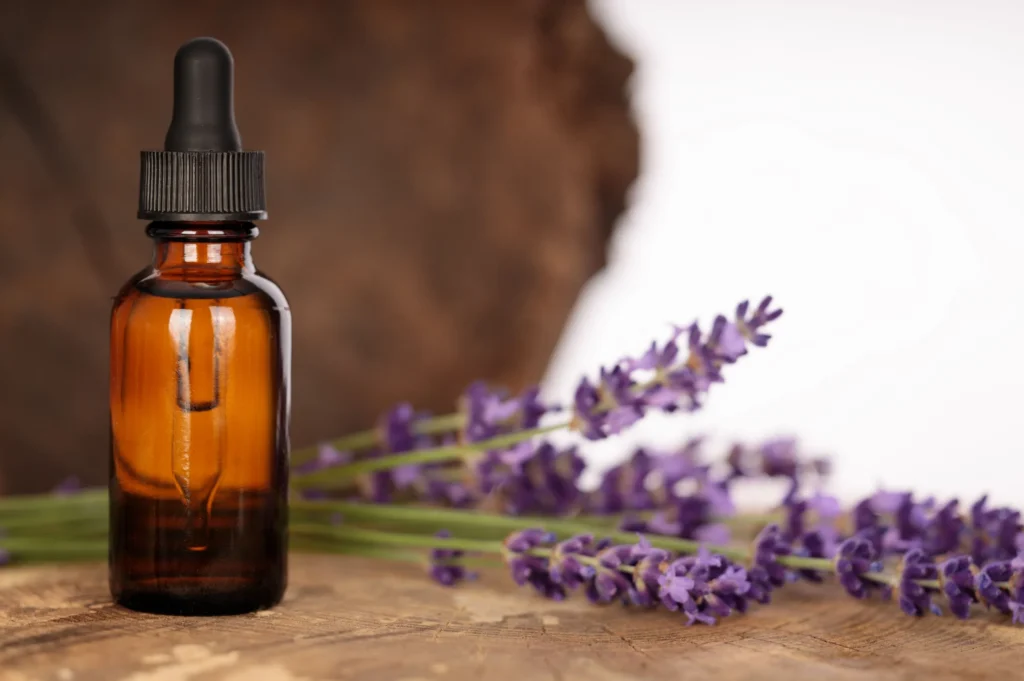
Aromatherapy is one of the most widely used complementary practices. Essential oils appear in diffusers, massage blends, bath products, candles and wellness sprays. Because the oils come from plants, many people assume they are harmless. That assumption deserves scrutiny. Essential oils are highly concentrated compounds, and a few drops can contain the active constituents of many pounds of plant material.
So, is aromatherapy safe? For most healthy adults, aromatherapy is low risk when oils are of high quality, diluted correctly and used with attention to the setting and the person. Risk increases with undiluted skin contact, ingestion, poor ventilation, pregnancy, young children, pets, certain medical conditions and specific oils. This guide explains the rules, the real risks and the precautions that keep aromatherapy a beneficial practice.
This article is educational and does not replace advice from your physician, pharmacist or veterinarian. Essential oils are not a substitute for medical treatment.
What Aromatherapy Is and How It Works
Aromatherapy uses aromatic plant extracts, mainly essential oils, to support physical and emotional wellbeing. Oils reach the body through two routes:
– Inhalation. Aroma molecules contact the olfactory receptors in the nose, which connect to the limbic system, the brain network involved in emotion, memory and stress regulation. Some volatile compounds also enter the bloodstream through the lungs.
– Skin absorption. Diluted oils applied during massage or in a compress can penetrate the skin to a degree that varies by oil, carrier, skin condition and body site.
Research suggests that some aromas, notably lavender, may reduce stress or improve subjective sleep quality, although study sizes and methods vary, and aromatherapy should not be presented as a cure for any disease. For an overview of how Pulse uses scent in practice, see our aromatherapy service page and our article on what aromatherapy does to help you feel better. If your goal is emotional balance, our list of the best essential oils for anxiety and stress explains which aromas are commonly chosen.
The Short Answer: When Aromatherapy Is Safe
Aromatherapy tends to be safe when you:
1. Choose pure, properly labeled oils from a transparent supplier
2. Dilute oils before skin use
3. Use diffusers in ventilated rooms for limited periods
4. Never ingest essential oils unless directed by a qualified, licensed clinician
5. Patch test new oils
6. Take extra precautions for pregnancy, infants, children, older adults, pets and chronic illness
7. Stop use immediately if a reaction occurs
The sections below explain each rule.
Rule 1: Dilute Essential Oils Before Skin Use
Applying undiluted essential oil, often called “neat” application, is the most common cause of aromatherapy injuries. Reactions include redness, burning, rashes and sensitization, an acquired allergy that can persist for life.
General dilution guidelines
Dilution is expressed as a percentage of essential oil in a carrier such as jojoba, sweet almond, fractionated coconut or grapeseed oil. Commonly cited ranges used by aromatherapy educators include:
|
Use |
Typical dilution |
Approximate drops per 1 tablespoon (15 mL) carrier |
|
Face and sensitive skin |
0.5% to 1% |
2 to 3 |
|
Daily body use |
1% to 2% |
5 to 9 |
|
Short-term, localized use |
2% to 3% |
9 to 14 |
|
Children over 2, older adults, fragile skin |
0.25% to 1% |
1 to 3 |
Drop sizes vary by oil and bottle, so these numbers are estimates. When in doubt, use less. A weaker blend applied consistently often works as well as a strong one, with a lower risk of irritation.
Patch test
Apply a small amount of the diluted blend to the inner forearm and wait 24 hours. Redness, itching or swelling means you should not use the blend. Never apply essential oils near the eyes, inside the nose or ears, on broken skin or on mucous membranes.
Oils that need extra care on skin
Some oils are classified as skin irritants or sensitizers, even in dilution. Examples frequently flagged in aromatherapy safety references include cinnamon bark and leaf, clove bud, oregano, thyme, lemongrass, and in some cases tea tree oil that has oxidized with age. Oxidation increases the likelihood of allergic reactions, so store oils tightly capped, in dark glass bottles, away from heat, and discard them after the shelf life recommended by the supplier.
Rule 2: Watch for Phototoxic Oils
Certain citrus oils, especially cold-pressed bergamot, lemon, lime, bitter orange and grapefruit, contain furanocoumarins. When applied to skin that is then exposed to sunlight or tanning beds, these compounds can cause burns, blistering and long-lasting pigmentation. Avoid sun exposure on the treated skin for at least 12 hours after use, or choose steam-distilled or furanocoumarin-free versions when available. Sweet orange and mandarin are generally considered less risky, but follow the supplier’s guidance.

Rule 3: Do Not Ingest Essential Oils
Online sources sometimes promote adding essential oils to water, capsules or food. This practice carries the highest risk. Essential oils can irritate and damage the mucous membranes of the mouth, throat and stomach. Ingestion can also stress the liver and kidneys, interact with medications and, in children, lead to poisoning with even small amounts. Some oils, such as eucalyptus, wintergreen, camphor and pennyroyal, are toxic when swallowed.
If someone swallows essential oil, do not induce vomiting. Call Poison Control at 1-800-222-1222 in the United States, or emergency services if breathing is affected or the person is unresponsive. Bring the bottle for reference.
Flavoring foods with culinary herbs is different from consuming concentrated essential oils. Internal use should occur only under the supervision of a qualified, licensed healthcare professional with training in clinical aromatherapy, and in most situations, there are safer alternatives.
Rule 4: Use Diffusers Wisely
Diffusers disperse oil particles into the air, which means everyone in the room, including those who did not choose the scent, is exposed.
Diffuser best practices
– Ventilate. Open a window or door and avoid sealed rooms.
– Limit time. A common recommendation is 30 to 60 minutes on, followed by at least an equal period off, rather than running a diffuser all night.
– Use fewer drops. Three to five drops in a standard diffuser are typically enough.
– Keep the device clean. Mold and residue can build up in water tanks. Rinse and dry regularly.
– Place it at a distance. Keep diffusers out of reach of children and pets, and avoid directing the mist at the face.
– Consider shared spaces. Offices, classrooms and waiting rooms contain people with asthma, allergies and chemical sensitivities. Ask before diffusing.
Who should be cautious with diffusers
People with asthma, chronic obstructive pulmonary disease, allergic rhinitis or migraine may find that strong scents trigger symptoms. If you experience headache, coughing, wheezing, nausea or throat irritation, turn off the diffuser and ventilate the room. Individuals with severe respiratory disease should consult their physician before using aromatherapy.
Inhalers (personal scent sticks) and aroma jewelry reduce exposure to others and are often a sensible alternative to room diffusion, particularly in shared spaces.
Rule 5: Take Extra Precautions During Pregnancy
Pregnancy changes how the body responds to scents, and caution is warranted. Data on essential oil safety in pregnancy are limited, and many clinicians recommend conservative use, particularly in the first trimester.
– Discuss any aromatherapy use with your obstetric provider or midwife.
– Avoid oils considered unsafe or uncertain in pregnancy, which commonly include clary sage, rosemary, sage, hyssop, wintergreen, pennyroyal, juniper berry, basil (high estragole content) and cinnamon bark. Some references also advise avoiding peppermint in early pregnancy.
– Use low dilutions (0.5% to 1%) and shorter exposure times.
– Never ingest essential oils during pregnancy.
– Gentle options such as small amounts of lavender, mandarin or chamomile are often considered more suitable by aromatherapy educators, but they are not guaranteed to be risk free for every person.
Aromatherapy also overlaps with other complementary therapies. If you are exploring acupuncture while pregnant, read can you get acupuncture while pregnant and why acupuncture is safe during pregnancy, and see our pregnancy page and prenatal massage service. If you are trying to conceive, our fertility page offers further guidance.
Rule 6: Be Careful With Babies and Children
Children have thinner skin, higher skin absorption relative to body weight and smaller airways. Some essential oils pose specific risks, including breathing problems in young children.
– Infants under 3 months: most aromatherapy educators advise avoiding essential oils entirely.
– Babies and toddlers: use only hydrosols or light diffusion for short periods, if at all, after consulting a pediatrician.
– Peppermint, eucalyptus and camphor-containing oils should not be applied to the face or chest of young children or placed near their noses, because strong menthol-like vapors can cause breathing problems in some children.
– Older children: use low dilutions (0.25% to 1%) and supervise application.
– Storage: keep all oils in child-resistant containers, out of reach. Accidental ingestion is a common reason for poison control calls.
Rule 7: Protect Your Pets
Pets are more vulnerable to essential oils than most owners realize.
– Cats lack some liver enzymes needed to metabolize certain compounds, including phenols and terpenes. Oils such as tea tree, citrus, peppermint, eucalyptus, pine, wintergreen, ylang-ylang and cinnamon are frequently listed as hazardous. Cats also groom their fur and may ingest oil that landed on their coat.
– Dogs can experience drooling, vomiting, lethargy or tremors after exposure to certain oils, particularly tea tree and pennyroyal.
– Birds have sensitive respiratory systems and can become ill from airborne particles.
– Small animals and fish are also at risk.
If you share your home with pets, avoid diffusing in rooms they occupy, make sure they can leave the room freely, never apply oils to their skin or fur, and check with your veterinarian. If you suspect poisoning, contact your veterinarian or the ASPCA Animal Poison Control Center at once.

Rule 8: Consider Medical Conditions and Medications
Because essential oils contain biologically active compounds, they can interact with health conditions and medication. Consult your physician or pharmacist if you:
– Have epilepsy or a seizure disorder (oils such as rosemary, eucalyptus, sage and fennel are often cautioned against)
– Have asthma or another chronic lung disease
– Have liver or kidney disease
– Have hormone-sensitive conditions. Evidence on oils such as lavender and tea tree influencing hormone activity is limited and inconclusive, so caution is reasonable
– Have high or low blood pressure, as some oils may influence it.
– Take anticoagulants, sedatives, diabetic medication or chemotherapy
– Have eczema, psoriasis or sensitive skin.
– Have a history of allergy to plants, fragrances or balsams
– Are scheduled for surgery
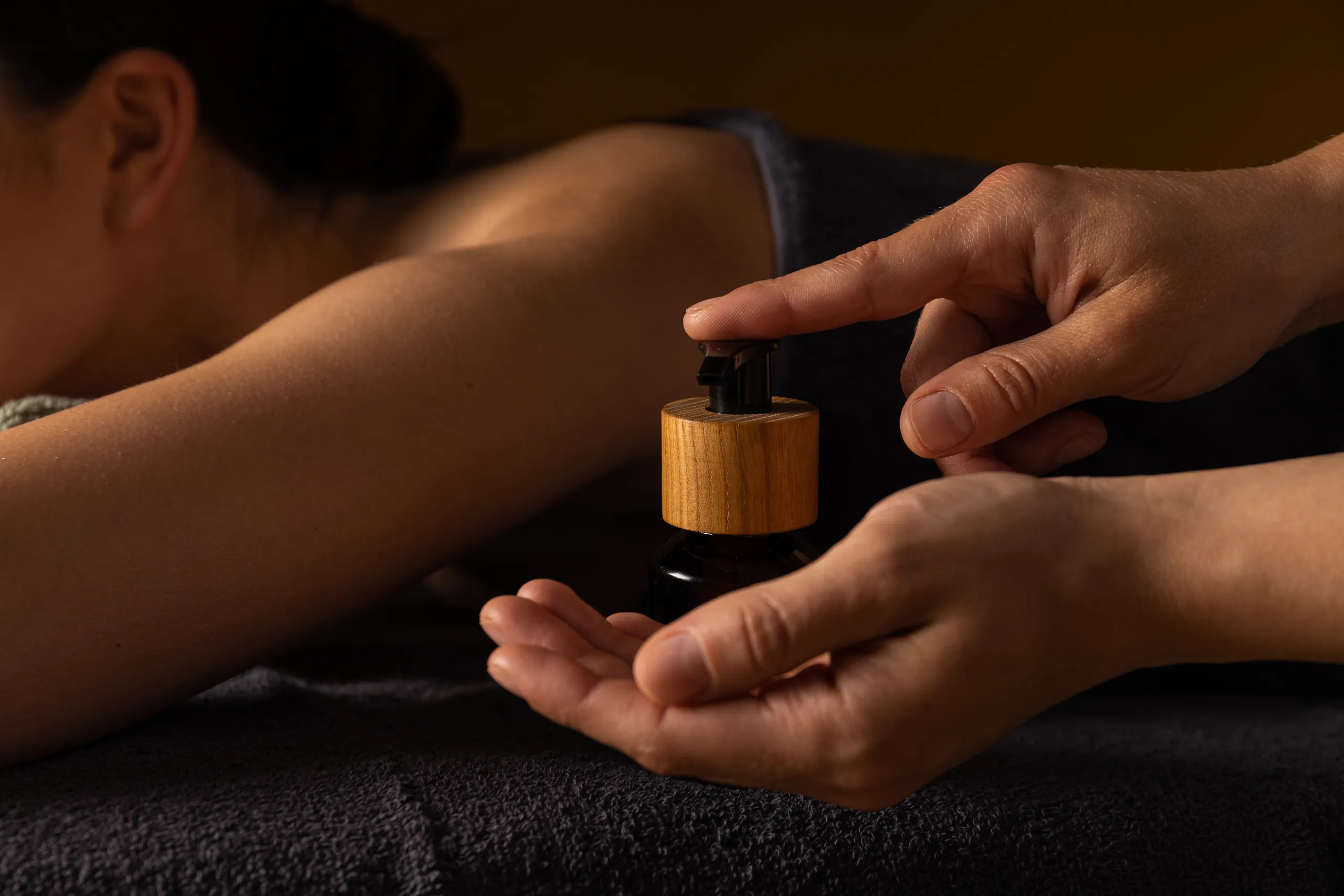
Topical use over a large body surface, for example in a full-body massage, raises systemic exposure. Professional administration by a trained practitioner reduces risk.
Rule 9: Choose Quality Oils and Read Labels
The essential oil market is largely unregulated for therapeutic claims, so quality varies. When selecting products:
– Look for the botanical Latin name (for example, *Lavandula angustifolia*), plant part, country of origin, extraction method and batch or lot number.
– Prefer suppliers that provide gas chromatography–mass spectrometry (GC/MS) reports.
– Avoid “fragrance oils” or “perfume oils” when you seek therapeutic effects. These are synthetic or blended and do not carry the same properties.
– Be skeptical of labels that say “therapeutic grade” or “certified pure,” because no universal standard governs those terms.
– Avoid oils that are unusually cheap for expensive botanicals such as rose or sandalwood, which are often adulterated.
– Buy small bottles, store them in dark glass at cool temperatures and note the opening date.
Rule 10: Know the Signs of a Reaction
Stop using an oil immediately if you notice:
– Skin redness, itching, burning, hives or blistering
– Headache, dizziness or nausea
– Wheezing, chest tightness or coughing
– Eye irritation, throat swelling or difficulty breathing (seek emergency care)
If oil contacts skin and causes burning, apply a carrier oil (not water) to dilute it, wipe it gently, then wash with mild soap. If oil enters the eye, flush with a carrier oil or milk and then water, and seek medical advice. For severe reactions, call emergency services.
Common Myths About Aromatherapy Safety
“Natural means safe.” Many natural substances are toxic or allergenic. Poison ivy and hemlock are natural. Essential oils are potent chemical mixtures, and safety depends on dose, route and person.
“If a little helps, more helps more.” Excess exposure raises the risk of headaches, nausea and sensitization without improving benefit.
“Essential oils cure infections or serious diseases.” No essential oil replaces antibiotics, antivirals or cancer treatment. Claims of this nature should be treated with caution.
“Diffusers purify the air.” Some oils have antimicrobial properties in laboratory settings, but diffusing does not sanitize a room in a meaningful way and may add volatile organic compounds to indoor air.
“Internal use is standard.” In most countries, the routine ingestion of essential oils is not recommended outside supervised clinical settings.
Aromatherapy and Chinese Medicine
In Chinese medicine, aromatic substances are valued for their ability to move Qi, open the senses and support the Shen (spirit). Fragrant herbs and incense have been used for centuries in clinical and ritual contexts. At Pulse Acupuncture, aromatherapy is used as a supportive element alongside treatment rather than a stand-alone therapy. A calming scent can deepen relaxation during acupuncture and bodywork, particularly when your practitioner has reviewed your sensitivities, pregnancy status and medical history beforehand.
Practical combinations include:
– A diffused or inhaled calming blend during a session for patients with stress or anxiety
– A diluted warming blend with massage therapy or Tui Na for muscle tension
– Gentle scents to support sleep in the evening routine
Scent is only one tool. If anxiety, pain or insomnia affects your daily functioning, acupuncture and professional care address underlying causes in a way aromatherapy alone cannot. See our guide to acupressure points for anxiety and stress relief for a scent-free technique you can use at home, and our overview of alternative medicine for context on integrating therapies safely.
A Safe-Use Checklist
Before using an essential oil, confirm that:
– The oil is clearly labeled with its Latin name and comes from a reputable source
– You have researched its specific safety notes (skin sensitivity, phototoxicity, pregnancy, pets)
– The blend is diluted appropriately for the user’s age and skin
– You have performed a patch test
– The room is ventilated, and no one with respiratory sensitivity is exposed
– Pets, babies and pregnant individuals have been considered
– The bottle is stored out of reach, capped tightly and away from heat and light
– You have a plan for what to do if a reaction occurs
When to Speak With a Professional
Consult your physician, pharmacist or a qualified practitioner before using aromatherapy if you are pregnant, breastfeeding, caring for an infant, managing a chronic illness, taking multiple medications, or experiencing symptoms that persist or worsen. A qualified clinical aromatherapist or licensed acupuncturist trained in essential oil use can help select appropriate oils and doses. Pulse Acupuncture practitioners treat patients at our Williamsburg, Brooklyn and Clifton, NJ locations.
Frequently Asked Questions
Is aromatherapy safe for everyone?
No. Aromatherapy is generally low risk for healthy adults when oils are diluted and used in ventilated spaces, but it requires extra caution for pregnant individuals, infants, children, people with asthma or epilepsy, and households with pets. Consult a healthcare professional if you belong to one of these groups.
Are aromatherapy diffusers safe to use every day?
Intermittent use in a ventilated room is usually considered acceptable for healthy adults. Run the diffuser for limited periods rather than continuously, use a small number of drops and keep the device clean. Stop if anyone in the home develops headaches, coughing or breathing difficulty, and keep pets and young children out of the diffused room.
How much essential oil should I dilute for skin application?
Most adults use between 1% and 2% for everyday body application, which is about 5 to 9 drops per tablespoon of carrier oil. Use 0.5% to 1% for the face and sensitive skin, and lower dilutions for children and older adults. Perform a patch test before first use.
Can I use essential oils while pregnant?
Many clinicians advise caution, particularly during the first trimester. Some oils are considered unsuitable in pregnancy, and research is limited. Discuss any plan to use essential oils with your obstetric provider, use low dilutions and avoid ingestion.
Use Aromatherapy With Confidence
Used thoughtfully, aromatherapy can be a pleasant addition to a relaxation routine. Used carelessly, it can cause harm. If you want personalized guidance on scent, stress relief and complementary care, contact Pulse Acupuncture or explore our aromatherapy service.