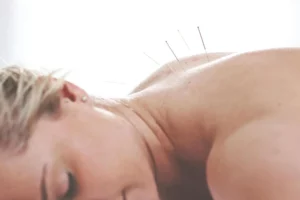

Athletes of every level share one problem: the body adapts to training only if it recovers from it. A strained hamstring, an irritable Achilles tendon or a stubborn shoulder can interrupt weeks of preparation. Sports medicine acupuncture is a branch of acupuncture that addresses these problems with techniques designed specifically for muscles, tendons, joints and the nerves that control them.
This guide explains what sports medicine acupuncture is, how it differs from traditional acupuncture, how dry needling and motor point therapy work, which injuries respond, and what a treatment plan looks like from the first assessment to return to play.
This article is educational and does not replace evaluation by a physician or physical therapist. Suspected fractures, complete tendon ruptures, head injuries and severe or progressive neurological symptoms require prompt medical care.
What is Sports Medicine Acupuncture?
Sports medicine acupuncture, also called orthopedic or sports acupuncture, applies acupuncture needling within a musculoskeletal framework. Instead of relying solely on classical meridian patterns, the practitioner begins with an orthopedic and functional assessment: where the pain is, which movements provoke it, which muscles are shortened, weak or overactive, and how the injury fits into the athlete’s training load and biomechanics.
Needles are then placed at several types of targets:
-
Trigger points: Hyperirritable knots in taut muscle bands that refer pain to other regions.
-
Motor points: The sites where a motor nerve enters a muscle and where the muscle is most responsive to stimulation.
-
Tendon and ligament attachments: Where overuse injuries concentrate.
-
Segmental nerve and spinal levels: Which regulate the muscles and joints involved.
-
Classical acupuncture points and channels: Chosen to regulate pain, inflammation and systemic recovery.
This blend lets the practitioner treat the local tissue and the nervous system that drives it. At Pulse Acupuncture, the approach is described on our Orthopedic & Sports Acupuncture service page. This article goes further into the techniques that make the discipline distinct.
How It Differs from Traditional Acupuncture
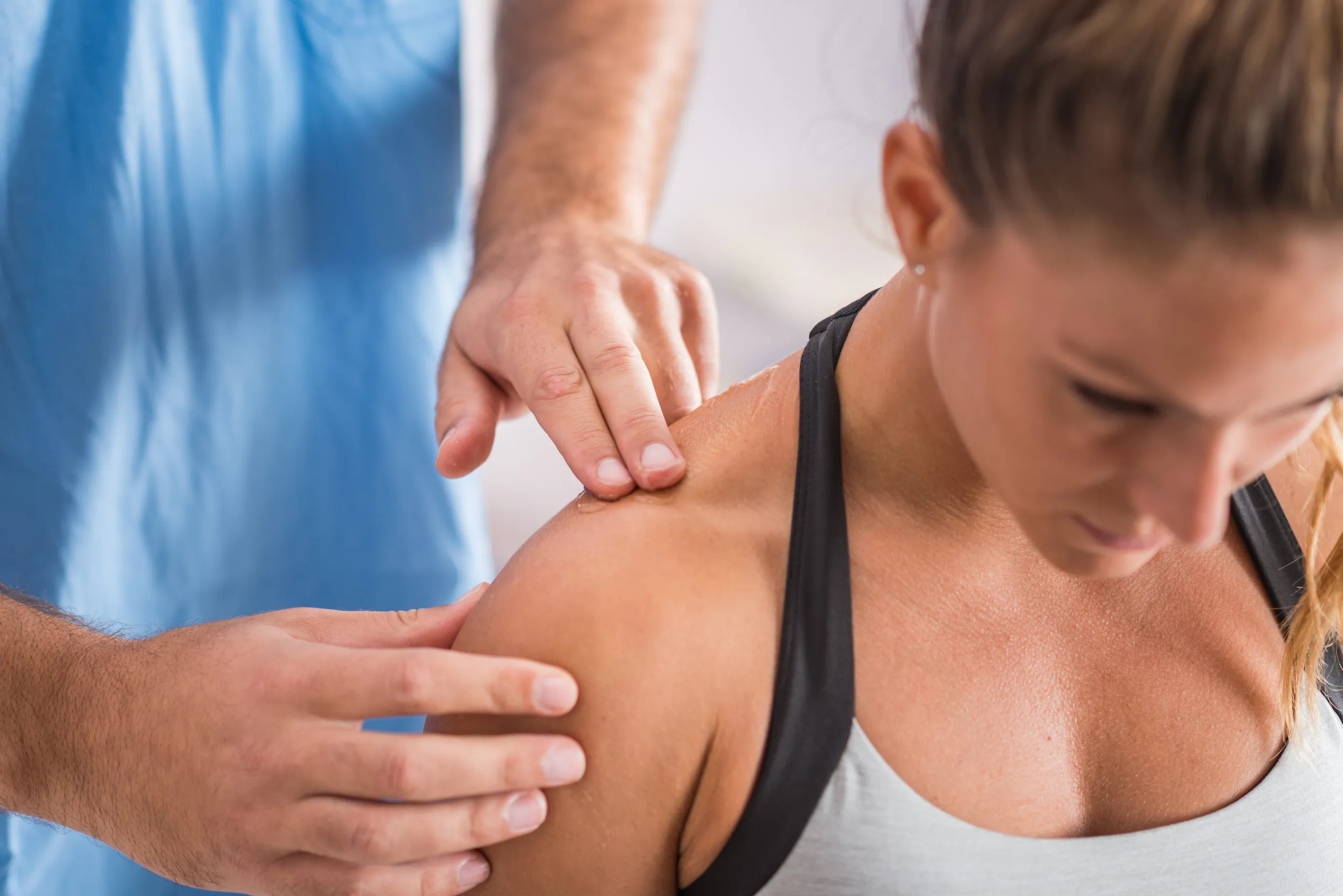
Traditional acupuncture often addresses the whole person through pattern differentiation: pulse, tongue, digestion, sleep and emotional state. Sports medicine acupuncture retains that foundation but prioritizes anatomy, movement and tissue state. A typical session may include muscle testing, range of motion screening and palpation of specific muscles, followed by needling that is sometimes combined with movement while the needles are in place. The two approaches complement each other. Many athletes benefit from addressing both the injured knee and the sleep, stress and digestive patterns that determine how fast they recover. For an overview of the broader practice, see our acupuncture page and the guide to meridians.
Dry Needling: How It Works in Sports Injuries
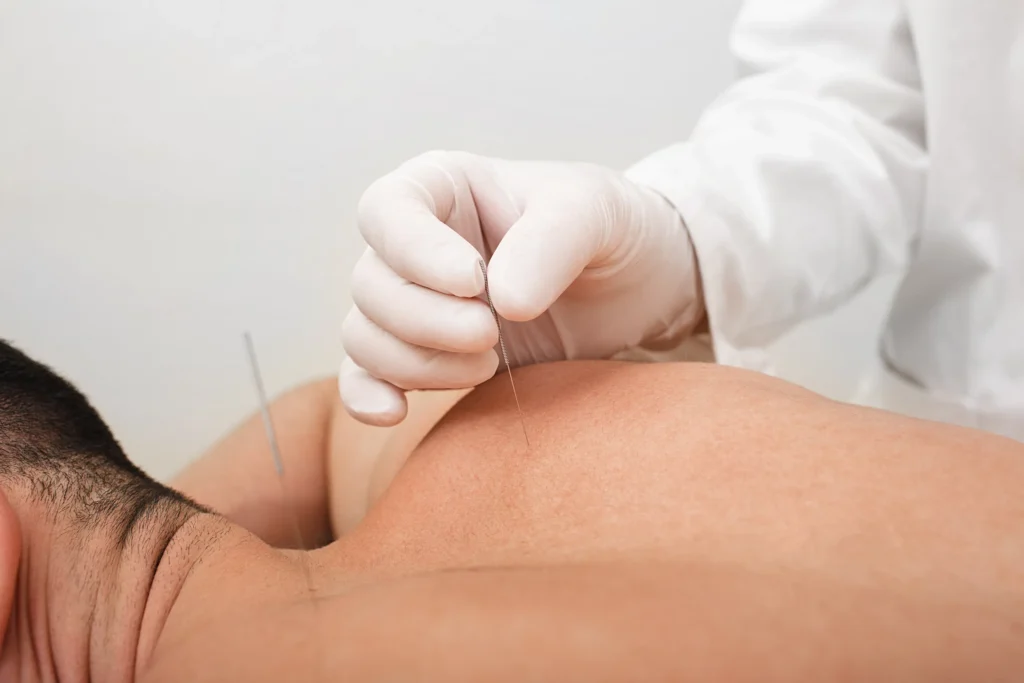
Dry needling uses a thin filiform needle, with no medication injected, to treat myofascial trigger points and dysfunctional muscle. The name distinguishes it from “wet” injections that deliver a substance. We cover the basics in what is dry needling and explain the distinction in acupuncture vs. dry needling. This section focuses on its role in sport.
The Trigger Point Problem
Athletes load certain muscles repeatedly: the upper trapezius in swimmers, the gluteals and hip flexors in runners, the forearm extensors in tennis players, the rotator cuff in baseball and volleyball players. Repetitive strain and incomplete recovery can produce taut bands with sensitive nodules. These trigger points restrict range of motion, weaken the muscle, refer pain to distant sites and alter movement patterns, which then overload neighboring tissues.
What the Needle Does
When a needle enters a trigger point, it often produces a local twitch response, a brief involuntary contraction of the taut band. Researchers propose several effects:
-
Mechanical disruption of the contracted tissue.
-
Local changes in blood flow and the chemical environment of the muscle.
-
Modulation of pain signaling in the spinal cord and brain.
-
Reduction of abnormal muscle spindle activity, which helps the muscle relax.
Evidence reviews suggest dry needling can reduce pain and improve function in musculoskeletal conditions, particularly in the short term, though trial quality varies and long-term data are limited. It is generally used as one component of a program that also includes exercise and load management.
What It Feels Like
Sensations range from none to a profound ache, cramp or sudden twitch. The twitch is brief but intense for some athletes. Soreness for 24 to 48 hours is common, similar to the feeling after a hard workout. Our guide to trigger point release and the trigger point release service page describe related techniques, including manual methods for those who prefer to avoid needles.
Motor Point Therapy: Treating the Nerve-Muscle Junction
Motor point therapy is the most distinctive element of advanced sports acupuncture, and the one least explained elsewhere.
What is a Motor Point?
Each skeletal muscle is activated by a motor nerve. The point where that nerve penetrates the muscle belly is the motor point. It is the site at which a small stimulus produces the strongest muscle contraction, which is why therapists have long used it in electrical stimulation. Many motor points correspond closely to classical acupuncture points, a relationship noted by researchers who mapped both systems.
Why Target Motor Points?
Trigger points tend to form near the motor endplate zone, where the nerve connects to muscle fibers. Needling or stimulating the motor point is thought to:
-
Reset the neuromuscular signal that holds a muscle in excessive tension.
-
Relax an overactive muscle and improve its coordination with neighbors.
-
Reactivate a muscle that has been inhibited after injury, a phenomenon known as arthrogenic muscle inhibition.
-
Produce relief with less aggressive needling than hunting for each individual trigger point.
For this reason, motor point work is often described as treating the cause of muscle dysfunction in the nervous system instead of only the painful tissue itself.
How Motor Point Treatment is Delivered
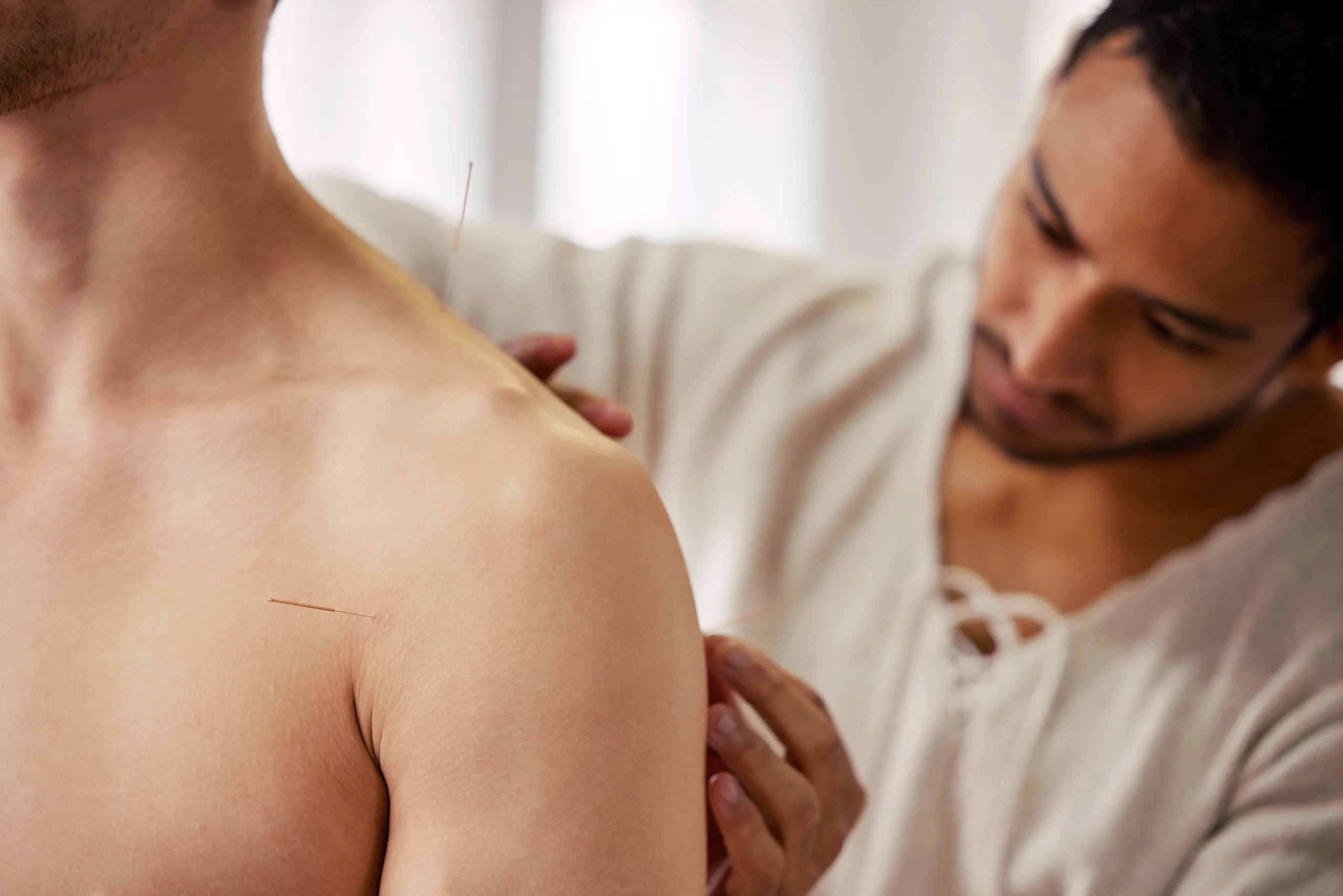
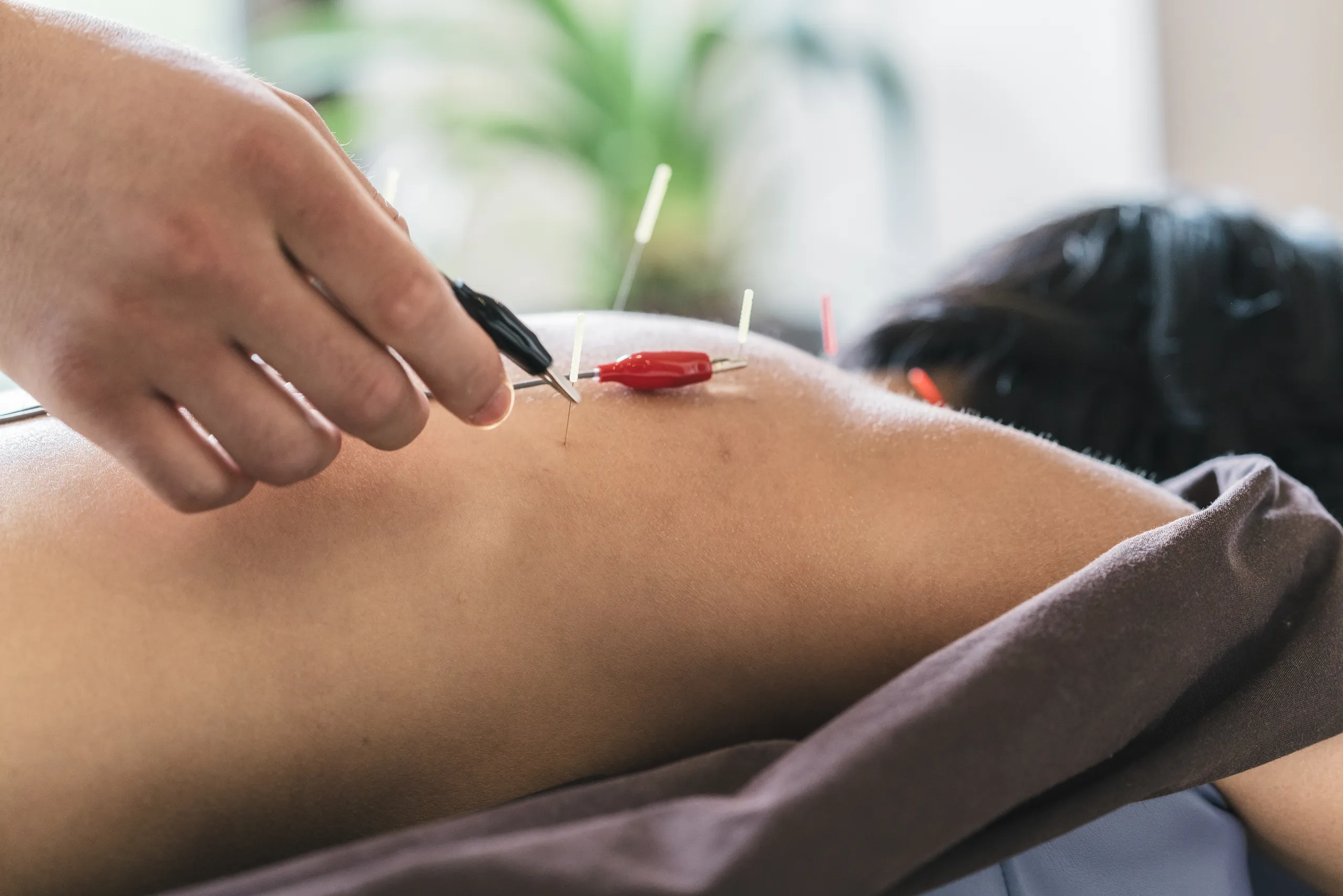
A practitioner locates the motor point using anatomical knowledge and palpation. Needles may be inserted manually, or a small electrical current may be applied through the needle. This pairing with electroacupuncture is common in sports care, since rhythmic stimulation can encourage a muscle to relax or contract in a controlled way. Intensity is adjusted to your comfort. The sensation is typically a rhythmic tapping or tingling.
Where Motor Point Therapy is Used
-
Hamstring, quadriceps and calf strains: To restore balanced muscle tone.
-
Shoulder impingement and rotator cuff irritation: Where overactive upper trapezius and pectoral muscles compress the joint.
-
Low back and gluteal pain: Where inhibited glutes lead to overuse of the lumbar muscles.
-
Post-surgical or post-immobilization weakness: Where a muscle struggles to “switch back on”.
-
Neck and jaw tension: That limits rotation in contact sports.
Motor point research continues to develop, and individual response varies. It is best seen as a refinement of needling technique that complements strength training and rehabilitation.
Comparison of Approaches
|
Approach |
Primary Target |
Typical Goal |
|
Dry needling |
Trigger points in taut muscle bands |
Release local tension and referred pain |
|
Motor point therapy |
Where the motor nerve enters the muscle |
Reset neuromuscular control and tone |
|
Traditional acupuncture |
Meridian points chosen by pattern |
Regulate pain, inflammation, sleep and recovery systemically |
In a well-designed plan, these approaches overlap rather than compete.
Common Sports Injuries That May Respond
Sports acupuncture is typically used for musculoskeletal pain and overuse conditions. Pulse Acupuncture has detailed pages on many of them.
Lower Body
-
Knee pain, including runner’s knee and patellar tendon irritation
-
Tendonitis, including Achilles and hamstring tendinopathy
Upper Body
-
Carpal tunnel syndrome in cyclists, rowers and climbers
Spine & General
-
Chronic pain that persists after tissue healing
Cases involving suspected fractures, high-grade ligament or tendon tears, joint instability, infection or red-flag neurological changes need imaging and medical management first. Acupuncture can then support recovery as part of the team.
Treatment by Phase of Injury
Needling strategy changes as tissue healing progresses.
Acute Phase (First Days)
The priority is protecting the injury, controlling pain and avoiding aggravation. Practitioners often use distal points away from the injury, auricular points and gentle techniques. Local needling in an acutely inflamed joint is usually avoided. Medical evaluation should confirm that no structural damage requires immediate care.
Subacute Phase (Days to a Few Weeks)
As swelling decreases, local treatment becomes appropriate. The practitioner addresses surrounding muscle guarding, trigger points and motor points of compensating muscles, while the athlete begins progressive loading under the guidance of a physical therapist or trainer. Warming methods such as moxibustion, Onnetsu therapy or red light therapy may be added to support local circulation.
Chronic & Recurrent Phase
Persistent tendon pain, adhesions and recurring strains often involve movement compensation, fascial restriction and a sensitized nervous system. Dry needling, motor point work, electroacupuncture and cupping are combined with strength and mobility work. Our article on acupuncture for scars and adhesions is relevant for athletes with post-surgical tissue restriction.
Return to Play & Performance
The final stage focuses on restoring symmetry, endurance and confidence. Treatments are scheduled to complement training rather than interfere with it. Many athletes use sessions during heavy blocks to manage tightness and between competitions to recover. Read more in sports acupuncture for athletes: boosting performance and recovery.
Complementary Therapies Used in Sports Care
A single technique rarely addresses a complex injury. At Pulse, sports acupuncture is often paired with:
-
Cupping: To lift fascia and increase local circulation. Learn what it can do in what does cupping do for athletes. Wet cupping is another traditional option. Our cupping aftercare guide describes what to expect afterward.
-
Sports massage & Deep tissue massage: For muscle lengthening and recovery.
-
Chinese herbs: For inflammation, recovery and tendon health. See Chinese herbs for pain relief. Athletes subject to drug testing should confirm that any herb or supplement is permitted by their governing body.
-
Cosmetic acupuncture: Has no role in injury, but some athletes enjoy it for facial tension.
-
Neuro-acupuncture: For nerve-related symptoms.
Does Acupuncture Reduce Inflammation and Speed Recovery?
Inflammation is a necessary part of healing, and excessive or prolonged inflammation slows return to training. Laboratory and clinical studies suggest acupuncture may modulate inflammatory markers and pain pathways, although evidence in athletes specifically is still developing. Our article does acupuncture help with inflammation reviews the current picture. Recovery also depends on sleep, nutrition and stress, factors that traditional acupuncture addresses well. For athletes whose training volume leaves them depleted, see acupuncture for burnout and chronic fatigue.
Training Load, Recovery and Prevention
Treatment resolves symptoms, but prevention keeps the athlete training. Most overuse injuries share a pattern: training volume or intensity rises faster than tissues adapt, recovery is shortened, and a weak or inhibited muscle forces its neighbors to compensate. A sports acupuncturist can help identify where that chain begins.
Practical prevention strategies include:
-
Increase load gradually: Avoid large weekly jumps in distance, intensity or volume.
-
Schedule recovery: Treat sleep, rest days and easy sessions as part of the program.
-
Address asymmetry: Persistent side-to-side differences in strength or mobility are early warnings.
-
Warm up with purpose: Dynamic movement preparing the muscles you are about to use reduces early-session strain.
-
Report small symptoms early: A tight calf that appears every morning is easier to treat in week two than month three.
-
Maintain regular treatment during peak training: Many athletes schedule sessions every two to four weeks during heavy blocks to manage tension before it becomes pain.
Sleep and stress are not secondary issues. Poor sleep slows tissue repair, and chronic stress keeps muscles guarded. Our resources on insomnia and stress explain how acupuncture supports both, and how acupuncture regulates the vagus nerve describes one proposed route.
Sports Acupuncture for Weekend Athletes and Desk Workers
You do not need to compete to benefit. Many patients arrive with problems that look athletic but have everyday causes: a stiff neck from hours at a laptop, a sore lower back after a Saturday run, or elbow pain from a new gym routine. The same assessment-driven approach applies. Because the technique treats the muscle and the nerve that supplies it, it suits postural pain, repetitive strain and recurring muscle knots in non-athletes as well. Our article on natural pain relief solutions places these options in context.
What to Expect at Your First Sports Acupuncture Visit
-
Intake and history: Sport, training schedule, injury timeline, prior imaging, medications and goals.
-
Movement assessment: Range of motion, strength, palpation and functional tests.
-
Treatment: Needling at trigger points, motor points and distal points, with or without electrical stimulation, sometimes while you perform gentle movement.
-
Home guidance: Hydration, mobility drills, load adjustments and when to resume training.
-
Follow-up: Most athletes start with one to two visits per week and reduce frequency as function returns.
Wear flexible clothing that exposes the relevant joint or muscle. Our guide on what to wear to acupuncture offers suggestions. Eat beforehand, and plan a light day afterward. Our aftercare guide explains what to avoid. Wondering about expense? See how much acupuncture costs, our rates and the insurance benefits check.
Safety and Side Effects
Sports acupuncture is considered safe when performed by a trained, licensed practitioner using sterile, single-use needles. Common effects include:
-
Temporary soreness, similar to post-exercise muscle ache
-
Minor bruising or bleeding at the needle site
-
Brief fatigue or lightheadedness
-
Muscle twitching during treatment
Rare complications, such as pneumothorax from needling near the lungs, are avoided by careful anatomical knowledge. Inform your practitioner if you take anticoagulants, have a bleeding disorder, a pacemaker, lymphedema in the treated limb, an active infection or may be pregnant. Our overview in what is dry needling discusses contraindications in more detail.
How to Choose a Sports Acupuncturist
Ask these questions:
-
Is the practitioner licensed in your state, and do they hold specific training in orthopedic or sports acupuncture?
-
Do they perform a physical assessment, or only a general intake?
-
Do they communicate with your physician, physical therapist or coach?
-
Do they explain the purpose of each technique and set measurable goals?
-
Do they use single-use sterile needles and follow clean-needle protocols?
Pulse Acupuncture practitioners serve patients in Williamsburg, Brooklyn and Clifton, NJ. Meet our team on the About Us page or read about Marina Doktorman, L.Ac.
Frequently Asked Questions
What is sports medicine acupuncture?
Sports medicine acupuncture is a specialized form of acupuncture that combines orthopedic assessment with techniques such as dry needling, motor point stimulation and electroacupuncture to treat muscle, tendon and joint injuries. It aims to reduce pain, restore movement and support return to training, and it is often combined with exercise rehabilitation.
What is the difference between dry needling and motor point therapy?
Dry needling targets trigger points, the tight, tender bands within a muscle. Motor point therapy targets the location where the motor nerve enters the muscle, with the goal of resetting how the nerve signals the muscle to contract or relax. Both use thin needles, and they are frequently combined in one session.
How many sessions does a sports injury need?
Acute strains may improve within a few visits, while chronic tendon or joint problems often require several weeks of treatment. Your practitioner will reassess function at regular intervals. Results depend on the injury, how long it has persisted and how well rehabilitation and training adjustments are followed.
Can I train after a sports acupuncture session?
Light activity is usually fine, but many practitioners advise avoiding intense training for the rest of the day, since muscles may feel sore or unusually relaxed. Hydrate, rest and follow your practitioner’s advice about timing around competition.