
Menstrual cramps are so common that many people accept them as a monthly cost of having a cycle. Yet pain that sends you to bed, cancels plans or requires repeated painkillers is not something you have to tolerate. Understanding why cramps occur, which natural measures help and when pain signals an underlying condition gives you real options.
This guide covers the Western medicine explanation of period pain, the Chinese medicine perspective, practical home remedies, and how acupuncture and related therapies are used to reduce cramping. It also explains the warning signs that call for a medical evaluation.
This article is educational and does not replace medical advice. Severe, worsening or new pelvic pain should be evaluated by a physician.
What Causes Menstrual Cramps?
Medical professionals call painful periods dysmenorrhea and divide it into two types.
Primary dysmenorrhea is pain with no underlying pelvic disease. It typically begins in the first years after a first period and is caused by prostaglandins, hormone-like compounds released by the uterine lining. Prostaglandins trigger uterine contractions that help shed the lining. When levels are high, contractions are stronger, blood flow to the uterine muscle falls briefly and pain results. Cramps usually start a day or two before bleeding and ease within two to three days.
Secondary dysmenorrhea is pain caused by a condition such as endometriosis, adenomyosis, uterine fibroids, pelvic inflammatory disease or, in some cases, an intrauterine device. Secondary pain often begins later in life, lasts longer, worsens over time or occurs outside menstruation.
Distinguishing between the two matters, because the natural strategies below are well suited to primary dysmenorrhea and may support secondary dysmenorrhea only alongside medical diagnosis and care.
How Chinese Medicine Understands Period Pain
TCM has a long clinical tradition of treating menstrual disorders. Its guiding principle is simple: “where there is free flow, there is no pain; where there is pain, there is no free flow.” Cramping is interpreted as obstruction of Qi and Blood in the lower abdomen. A TCM practitioner differentiates several common patterns:
-
Qi stagnation and Liver Qi constraint: Pain that is distending, shifts location and worsens with stress. Breast tenderness, irritability and mood swings often precede the period. Flow may be irregular.
-
Blood Stasis: Sharp, stabbing, fixed pain with dark blood and clots. Pain is relieved after clots pass. This pattern is frequently considered in conditions such as endometriosis and fibroids.
-
Cold in the uterus (Cold-Damp): Cramping that feels cold, tight and improves dramatically with heat. Hands and feet may be cold, and the period may be delayed.
-
Qi and Blood deficiency: Dull, lingering, low-grade pain with a light flow, fatigue and pallor. Pressure tends to relieve the pain.
-
Damp-Heat: Burning, heavy pain with a strong odor, associated with heavy flow or discharge.
Many people show a combination. Pattern identification, based on your pulse, tongue and symptoms, is what makes an acupuncture treatment individualized.
Natural Ways to Relieve Menstrual Cramps at Home
Start with the measures below. Most are low risk, inexpensive and can be combined.
1. Apply Heat
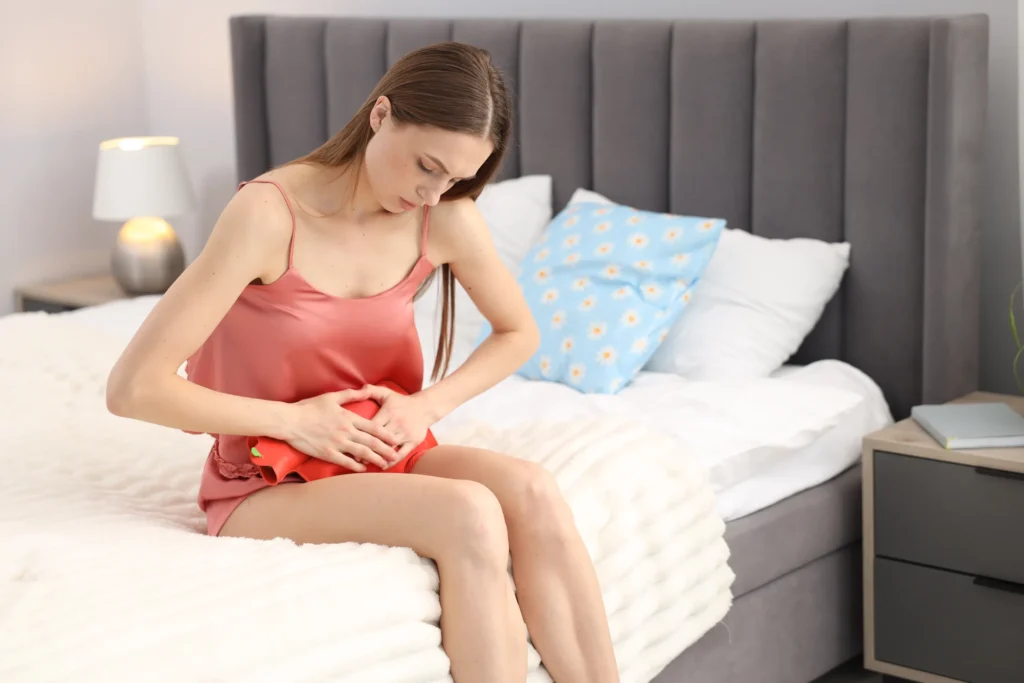
Heat is the most accessible remedy. A heating pad or hot water bottle on the lower abdomen or lower back relaxes uterine muscle and improves circulation. Studies comparing heat with oral pain relievers have reported comparable benefit for some people with mild to moderate pain. Use a barrier to protect your skin, and avoid falling asleep on a heating pad.
In Chinese medicine, warmth is especially valued for the Cold pattern. If you are drawn to heat, you may also benefit from in-clinic warming therapies, discussed below.
2. Move Gently
Exercise raises circulation and releases endorphins, and regular physical activity is associated with less period pain in some research. During the cramping phase, favor gentle movement:
-
Walking for 20 to 30 minutes
-
Restorative yoga poses such as child’s pose, reclined bound angle and supine twists
-
Hip circles and gentle pelvic tilts
-
Swimming or easy cycling
Intense core work and heavy lifting may increase discomfort on the first days for some people. Listen to your body.
3. Adjust Your Diet Through the Cycle
Food does not erase cramps, but dietary patterns influence inflammation and digestion, both of which interact with period pain.
-
Favor anti-inflammatory foods: Oily fish, leafy greens, berries, nuts, seeds and olive oil are staples of an anti-inflammatory pattern.
-
Include magnesium-rich foods: Pumpkin seeds, almonds, spinach and dark chocolate contribute magnesium, a mineral some small studies have linked with reduced cramping.
-
Choose warm, cooked meals during menstruation: Chinese dietary therapy recommends soups, stews, congee and cooked vegetables during the period and minimizing iced drinks and raw salads, particularly for the Cold pattern.
-
Reduce coffee, alcohol and ultra-processed snacks in the week before your period if they worsen your symptoms.
-
Hydrate: Dehydration can aggravate headaches and fatigue that accompany menstruation.
-
Support iron levels: If your flow is heavy, ask your physician to check ferritin and hemoglobin.
Ginger tea is a traditional remedy supported by small trials for period pain. Fresh ginger simmered for ten minutes, with a slice of orange, is a pleasant option. Check with your physician before using concentrated ginger or herbal supplements if you take anticoagulants or are pregnant.
4. Try Acupressure
Acupressure applies manual pressure at the same points used in acupuncture. Many people find it a useful bridge between appointments. Common points for menstrual cramps include:
-
Spleen 6 (SP6): About four finger widths above the inner ankle bone, behind the shin. Press firmly with a thumb for one to two minutes on each leg.
-
Large Intestine 4 (LI4): In the web between thumb and index finger, which supports general pain relief.
-
Liver 3 (LV3): On the top of the foot between the first and second toes, helpful when stress and irritability accompany cramps.
-
Conception Vessel 4 (CV4): Four finger widths below the navel, where gentle clockwise massage with a warm hand is soothing.
-
Bladder 32 (BL32): At the sacrum, which can be massaged with a tennis ball or warm hands.
Important: SP6 and LI4 are traditionally avoided during pregnancy. If there is any chance you are pregnant, do not stimulate these points, and consult your practitioner. For stress-related tension that accompanies your cycle, our acupressure points for anxiety and stress relief guide describes safe technique.
5. Consider Massage and Self-Care
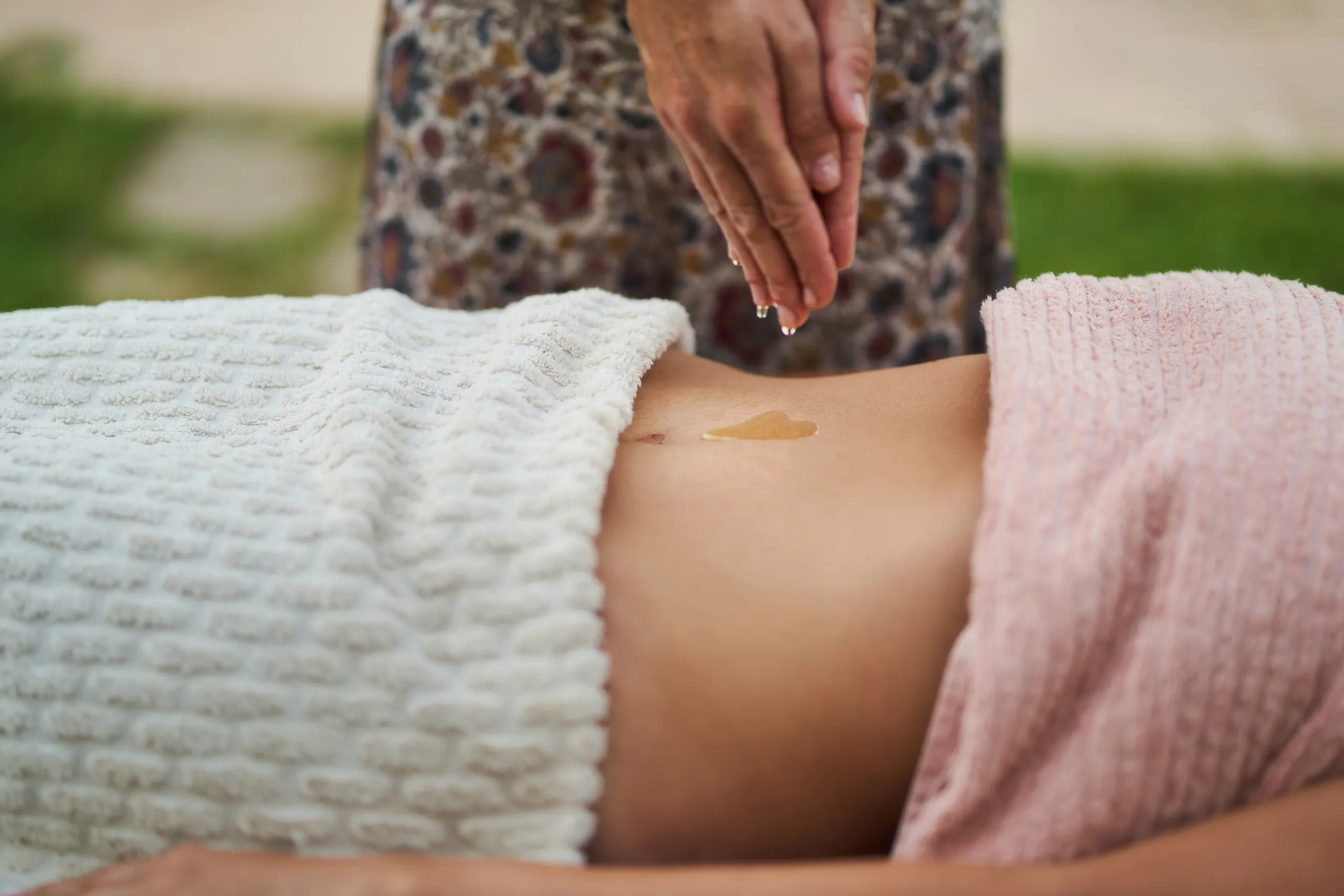
Gentle abdominal massage with a warm oil, using slow clockwise strokes, can ease a tight abdomen. Professional massage therapy and Tui Na address lower back and hip tension that often accompanies cramping.
6. Manage Stress and Sleep
Stress amplifies pain perception and tightens the pelvic floor and abdominal muscles. In Chinese medicine, emotional strain is a primary cause of Liver Qi stagnation. Slow breathing, a consistent bedtime and time away from screens all lower the nervous system’s reactivity. If anxiety and cramps rise together in your cycle, see our anxiety page and how to lower cortisol levels.
7. Use Over-the-Counter Medication Wisely
Natural strategies and conventional medicine are not mutually exclusive. Nonsteroidal anti-inflammatory drugs (NSAIDs) such as ibuprofen reduce prostaglandin production and are a first-line treatment for primary dysmenorrhea. They work best when taken at the first sign of pain or just before the period, as directed on the label or by your physician. People with stomach ulcers, kidney disease, asthma sensitive to NSAIDs or certain other conditions should not use them without medical advice. Many patients successfully reduce their reliance on pain relievers once acupuncture and lifestyle changes are in place, but that decision belongs to you and your doctor.
How Acupuncture Relieves Menstrual Cramps
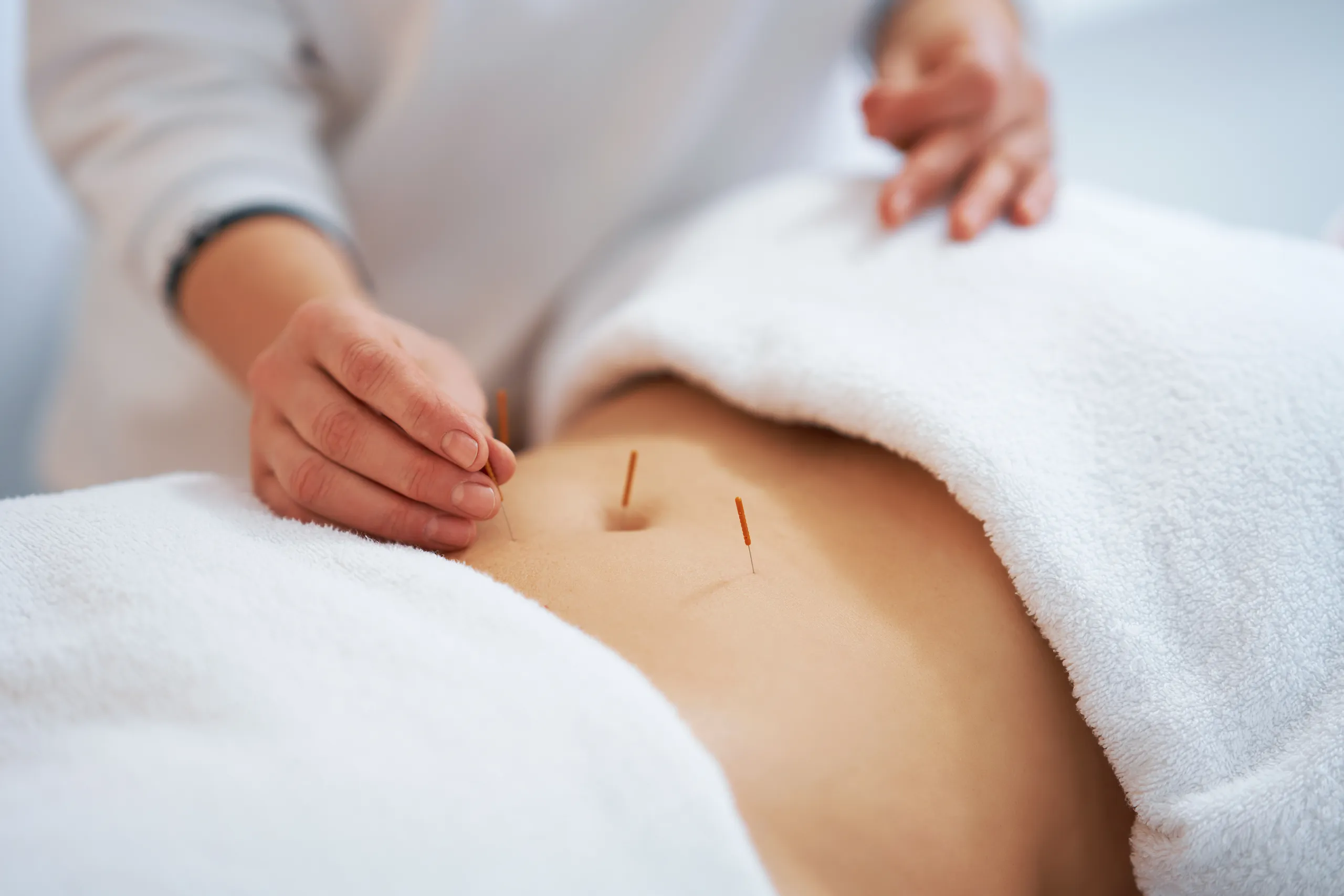
Acupuncture involves thin, sterile needles placed at specific points to regulate Qi and Blood flow. For dysmenorrhea, practitioners commonly use points on the lower abdomen, lower back, lower legs and hands, selected according to the pattern identified in your assessment.
What the Research Suggests
Systematic reviews of acupuncture and related techniques for primary dysmenorrhea have reported reductions in pain compared with no treatment and, in several analyses, compared with some conventional treatments. Study designs vary, sham-controlled trials are difficult to design and the overall quality of evidence is moderate at best. Researchers have proposed that acupuncture may influence prostaglandin activity, improve uterine blood flow and modulate pain signaling in the central nervous system. Results are encouraging enough that acupuncture is frequently included as a complementary option in integrative women’s health.
What Treatment Looks Like
At Pulse Acupuncture, a menstrual pain consultation covers cycle length, flow, clot patterns, pain timing and quality, temperature preference, digestion, stress, sleep and medical history. Your practitioner then designs a series that may include:
-
Acupuncture: At points that move Qi, invigorate Blood, warm the lower abdomen or tonify deficiency.
-
Moxibustion: In which the herb mugwort is burned near points to deliver penetrating warmth. It is traditionally used for Cold-type cramps. See moxibustion: what is it and does it work.
-
Onnetsu therapy: A Japanese heat treatment that provides gentle, comforting warmth to the lower abdomen and back.
-
Red light therapy: For local circulation and muscle relaxation.
-
Electroacupuncture: When you need stronger stimulation for persistent pain.
-
Auricular acupuncture & ear seeds: For ongoing support between visits.
-
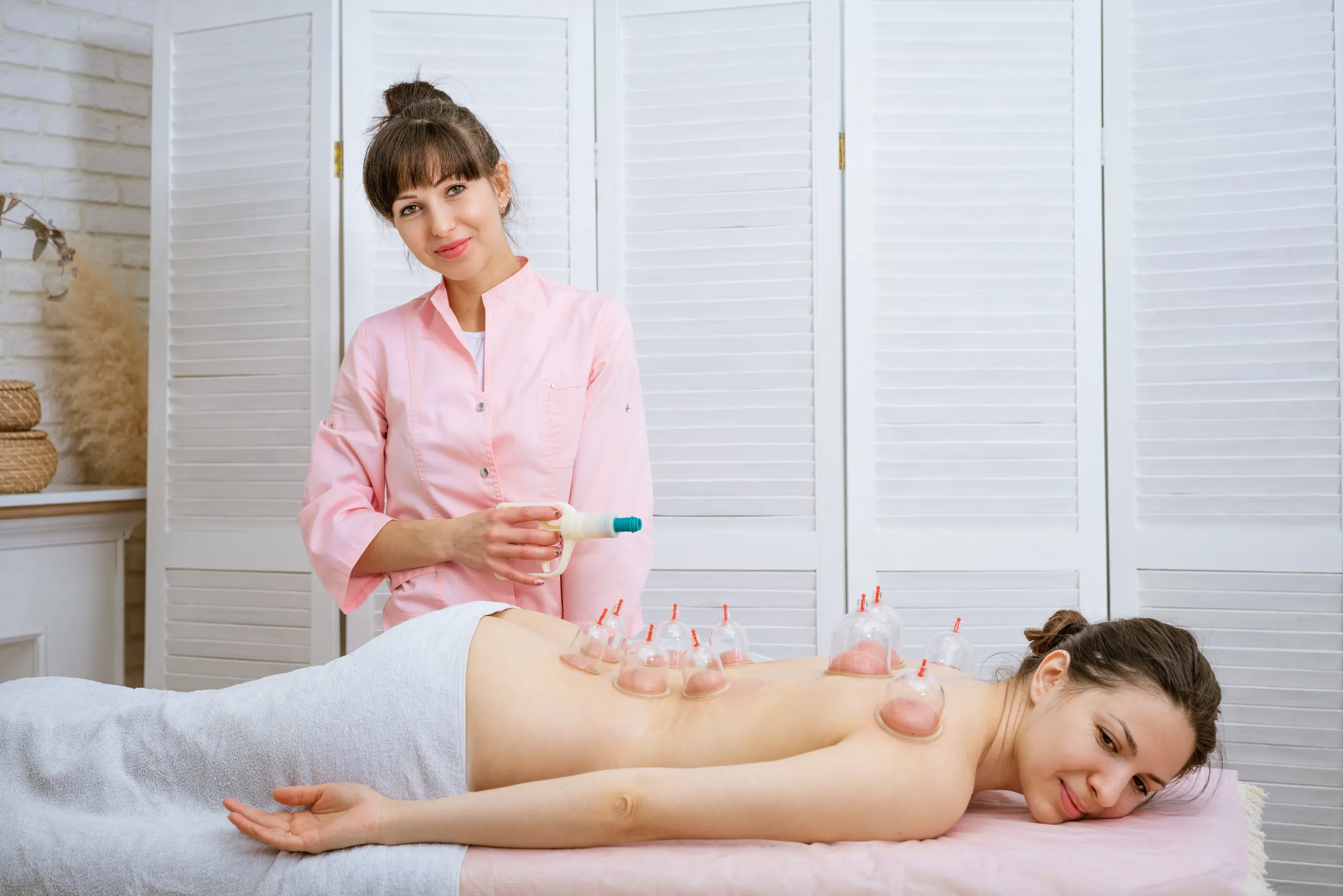
Fire cupping & Gua Sha: At the lower back, when muscular tension is a factor. Our Gua Sha guide and cupping aftercare advice explain details.
-
Chinese herbs: Prescribed according to pattern. Herbs should always be reviewed for safety with your medications and any pregnancy plans.
When to Schedule Treatment
Timing influences results. Many practitioners recommend:
-
Between periods (follicular and luteal phases): Build resilience, regulate the cycle and treat underlying patterns. Treatment about one week before your expected period is particularly useful for Liver Qi stagnation and premenstrual symptoms.
-
During cramps: A session at the start of pain, or when pain peaks, can provide quicker relief. Many people book an appointment on day one or two of the cycle.
-
Ongoing maintenance: Weekly treatments for three to four cycles is a common starting plan, then spacing sessions once symptoms improve.
Menstrual Cramps and Related Conditions
Painful periods are sometimes the first sign of another condition. A TCM practitioner can support many of these alongside medical care:
-
Endometriosis: Tissue similar to the uterine lining grows outside the uterus. Pain is often severe, may radiate to the back and legs, and can accompany pain with intercourse, bowel movements or urination. Diagnosis requires a physician.
-
Fibroids: Benign uterine growths that can cause heavy bleeding, pressure and pain.
-
PCOS: Associated with irregular cycles, and sometimes painful or heavy periods.
-
Adenomyosis: Uterine lining tissue grows into the muscular wall, causing heavy, painful periods.
-
Fertility concerns: Painful cycles and trouble conceiving often overlap, and a combined plan can address both.
-
Menopause transition: Cycle changes in perimenopause can alter pain patterns.
Acupuncture does not diagnose or cure these conditions. Its role is to help manage pain, stress and cycle regularity as part of a coordinated plan.
Menstrual Cramps Through the Seasons of Life
Period pain changes over time, and the best approach changes with it.
-
Teens and early twenties: Primary dysmenorrhea is most frequent in this period. Heat, movement and medication taken as directed are usually sufficient, but pain that causes missed school or activities deserves a medical conversation rather than quiet endurance.
-
Twenties to forties: Work stress, irregular sleep and changing contraception influence cycles. Cramps that appear for the first time or intensify at this stage may signal conditions such as endometriosis, adenomyosis or fibroids. Hormonal contraception can reduce pain for some people, and your gynecologist can discuss whether it suits you.
-
After childbirth: Some people notice cramps improve after delivery, while others experience heavier or more painful periods. Postpartum depletion, a concept in Chinese medicine involving loss of Blood and Qi, is addressed through nourishing food, rest and, where appropriate, acupuncture.
-
Perimenopause: Cycles become irregular and flow may be heavy. Cramps can return or intensify as hormones fluctuate.
Common Mistakes That Prolong Cramps
-
Waiting until pain peaks before applying heat or taking medication
-
Drinking iced beverages and eating raw, cold foods during menstruation when the body feels chilled
-
Stopping exercise entirely, which can increase stiffness in the lower back and pelvis
-
Skipping meals, which worsens fatigue and irritability
-
Ignoring a pattern of worsening pain because “everyone has cramps”
-
Starting herbal remedies without checking interactions
-
Expecting a single acupuncture session to resolve a lifelong pattern
When to See a Doctor
Seek medical evaluation if you experience any of the following:
-
Pain that does not improve with over-the-counter medication or interferes with school, work or daily activities
-
Cramps that worsen over time or begin after age 25 when previously absent
-
Pain outside of your period or pain during intercourse
-
Heavy bleeding (soaking through a pad or tampon every hour for several hours), large clots or bleeding between periods
-
Fever, unusual discharge or severe pelvic tenderness
-
Sudden, severe abdominal pain, fainting or the possibility of pregnancy with pain (go to emergency care)
A physician may recommend a pelvic exam, ultrasound or other tests. Early diagnosis of conditions such as endometriosis can make a significant difference in outcomes.
Safety Notes for Natural Remedies
-
Acupuncture is generally safe when performed by a licensed practitioner using sterile, single-use needles. Possible effects include mild bruising or soreness. Tell your practitioner if you are pregnant or may be pregnant, use blood thinners or have a bleeding disorder.
-
Herbs and supplements can interact with medication. Disclose everything you take.
-
Essential oils applied to the abdomen should be well diluted and tested on a small skin patch first. Pregnancy and certain medical conditions require additional caution.
-
Heat should never be applied directly to skin for long periods, and numbness or reduced sensation calls for caution.
Build Your Cramp Relief Plan
A practical routine might look like this:
-
Week before your period: Reduce caffeine and alcohol, walk daily, schedule an acupuncture session, and eat warm, cooked meals.
-
First days of bleeding: Apply heat, use gentle acupressure at SP6 (if not pregnant) and LV3, drink ginger tea and rest when needed. Take medication according to your physician’s guidance.
-
Mid-cycle: Continue regular exercise, maintain consistent sleep and keep a symptom journal noting pain intensity, timing and food or stress triggers.
-
Ongoing: Book acupuncture visits on a regular schedule for several cycles and review progress with your practitioner.
Tracking your cycle for even two months reveals patterns that help your practitioner refine treatment.
Frequently Asked Questions
What is the fastest natural way to relieve menstrual cramps?
Heat is usually the quickest accessible remedy: a heating pad on the lower abdomen can relax uterine muscle within minutes. Pairing heat with gentle movement, ginger tea and acupressure at points such as Liver 3 often increases comfort. For recurring severe pain, a professional treatment such as acupuncture can provide stronger relief than home measures alone.
Does acupuncture work for period cramps?
Research reviews have reported pain reduction with acupuncture for primary dysmenorrhea, though study quality varies and more rigorous trials are needed. Many patients at Pulse report fewer cramps and less need for painkillers over several cycles. Acupuncture is most effective as part of a plan that includes heat, nutrition and stress management.
How many acupuncture sessions are needed for menstrual cramps?
Most people begin with weekly sessions for three to four menstrual cycles, scheduling one visit around the time pain begins and others earlier in the cycle. After symptoms improve, maintenance visits may be spaced to once a month or only as needed.
Which acupressure points should be avoided during pregnancy?
Spleen 6 and Large Intestine 4 are traditionally avoided during pregnancy because they are considered strongly descending and may stimulate uterine activity. If you may be pregnant, or are trying to conceive, do not stimulate these points on your own and consult your acupuncturist and obstetric provider.