

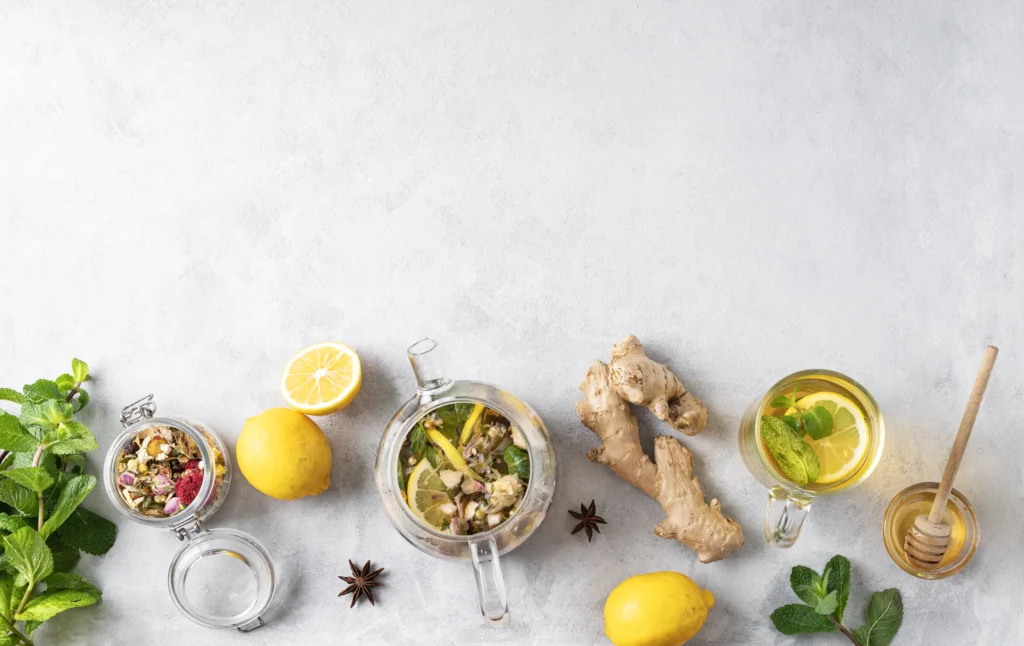
Quick answer: Chinese medicine classifies foods by their thermal nature: warming, cooling or neutral. The concept describes the effect a food is traditionally believed to have on the body, not its temperature. TCM dietary therapy selects foods to balance signs of Cold or Heat. It is a traditional framework, and it should not replace medical nutrition advice.
What Is Food Energetics?
TCM dietary therapy treats food as a mild form of medicine. Each food has a thermal nature, a flavor and an affinity for specific organ systems. Practitioners use these properties to support digestion, which TCM attributes to the Spleen and Stomach. Read about the broader system in our guide to Traditional Chinese Medicine.
Food Lists by Thermal Nature
Category | Examples |
|---|---|
Warming | Ginger, cinnamon, garlic, lamb, chicken, walnuts, scallions, black pepper |
Cooling | Cucumber, watermelon, mung beans, pear, celery, tofu, green tea, peppermint |
Neutral | Rice, carrots, potatoes, shiitake, pork, eggs, most beans |
Cooking method also changes thermal effect. Steaming and boiling are more neutral, while roasting and frying add warmth.
Which Foods Suit Your Pattern?
TCM practitioners match food choices to observed patterns.
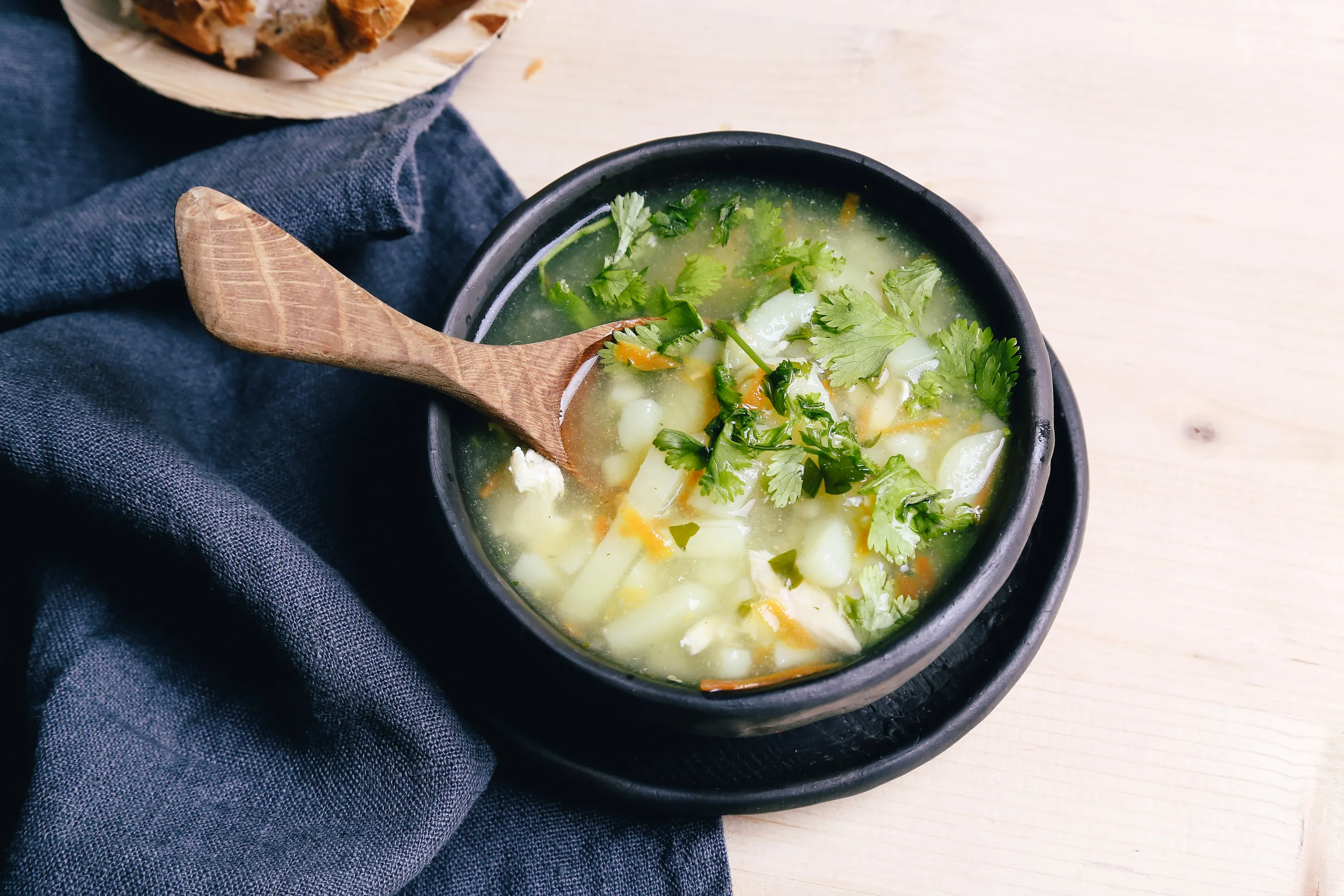
Signs of Cold: cold hands, loose stool, pale tongue, preference for warm drinks. Favor cooked meals, ginger tea, soups and congee. Limit iced beverages and raw salads.
Signs of Heat: flushed face, thirst, constipation, red tongue, irritability. Favor cucumber, pear, mung beans and leafy greens. Limit alcohol, fried food and very spicy dishes.
Signs of Dampness: heaviness, bloating, greasy tongue coating. Favor barley and light, simple meals. Limit dairy, sugar and fried food.
Your practitioner determines your pattern through tongue and pulse assessment rather than a single symptom.
Seasonal Adjustments
Winter: more soups, stews and warming spices
Summer: lighter meals with cooling fruits and vegetables
Transitions: neutral foods and regular meal timing
Practical Tips
Eat meals at regular times and chew thoroughly.
Prefer cooked food if you digest poorly.
Reduce iced drinks, especially at breakfast.
Introduce one change at a time and track symptoms for two weeks.
Hot flashes provide a useful example. TCM often links them to Heat, and cooling foods are traditionally suggested; see our page on acupuncture for menopause. For reflux, which TCM may attribute to Stomach Heat or Qi rebellion, review acupuncture for acid reflux.
Herbs and Food
Many culinary ingredients double as herbs. Our top 10 TCM herbs list describes common examples. Concentrated herbal products carry greater interaction risk than ordinary food, so consult a licensed practitioner and your physician before combining them with medication; see Chinese herbs at Pulse.
Cautions
Food energetics has limited clinical trial evidence. Do not restrict whole food groups without medical guidance, especially with diabetes, pregnancy, kidney disease or a history of disordered eating. Persistent digestive symptoms, unintended weight loss or blood in stool require medical evaluation.
FAQ
Is ginger warming or cooling?
Fresh ginger is warming in TCM, and dried ginger is considered more strongly warming.
Is it harmful to eat cold foods?
No. TCM suggests moderation for people with Cold patterns, but no evidence shows harm for healthy individuals.
Can food energetics replace medical treatment?
No. It supports general wellness and works alongside medical care.