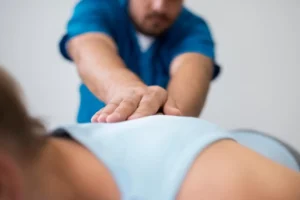

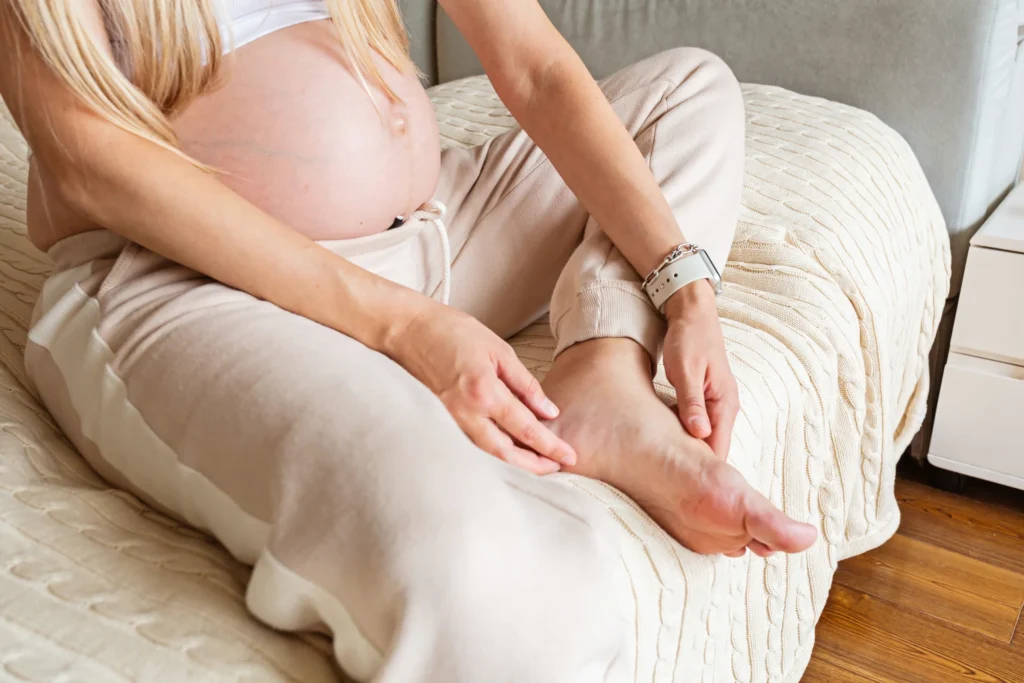
Quick answer: Acupressure at certain points is used to ease labor discomfort and support readiness near term, but research on whether it can start labor is limited and inconsistent. It should be attempted only at term and with approval from your obstetric provider. Never use it to replace medical induction when a clinical indication exists.
What Does the Evidence Show?
Studies of acupressure and acupuncture near term report mixed findings. Some trials suggest reduced pain or shorter labor stages, while systematic reviews note low study quality and no reliable proof that either technique initiates labor. Because evidence is limited, treat acupressure as a comfort measure, not a guaranteed method. Review our related guides on acupuncture during pregnancy and why acupuncture is considered safe in pregnancy.
Pressure Points Commonly Used Near Term
TCM practitioners traditionally use these points, which are contraindicated earlier in pregnancy:
Spleen 6 (SP6): four finger widths above the inner ankle bone, behind the shin
Large Intestine 4 (LI4): in the web between thumb and index finger
Gallbladder 21 (GB21): at the top of the shoulder muscle
Bladder 60 and 67 (BL60, BL67): at the ankle and outer little toe
Bladder 31 to 34: at the sacrum
Apply firm, steady pressure for one to two minutes, take a breath and release. Avoid excessive force, and stop if you feel cramping, dizziness or bleeding.
When to Avoid Acupressure
Do not use these points without clinical guidance if you have:
Fewer than 37 weeks of pregnancy
Placenta previa or vasa previa
A prior cesarean section, preterm labor history or high-risk pregnancy
Bleeding, ruptured membranes or reduced fetal movement
Preeclampsia or other complications
If contractions begin, contact your provider according to their instructions. Pregnancy support also includes prenatal massage and care described on our pregnancy page.
Supporting Labor Readiness Safely
Alongside provider-approved acupressure, these measures are generally considered low risk:
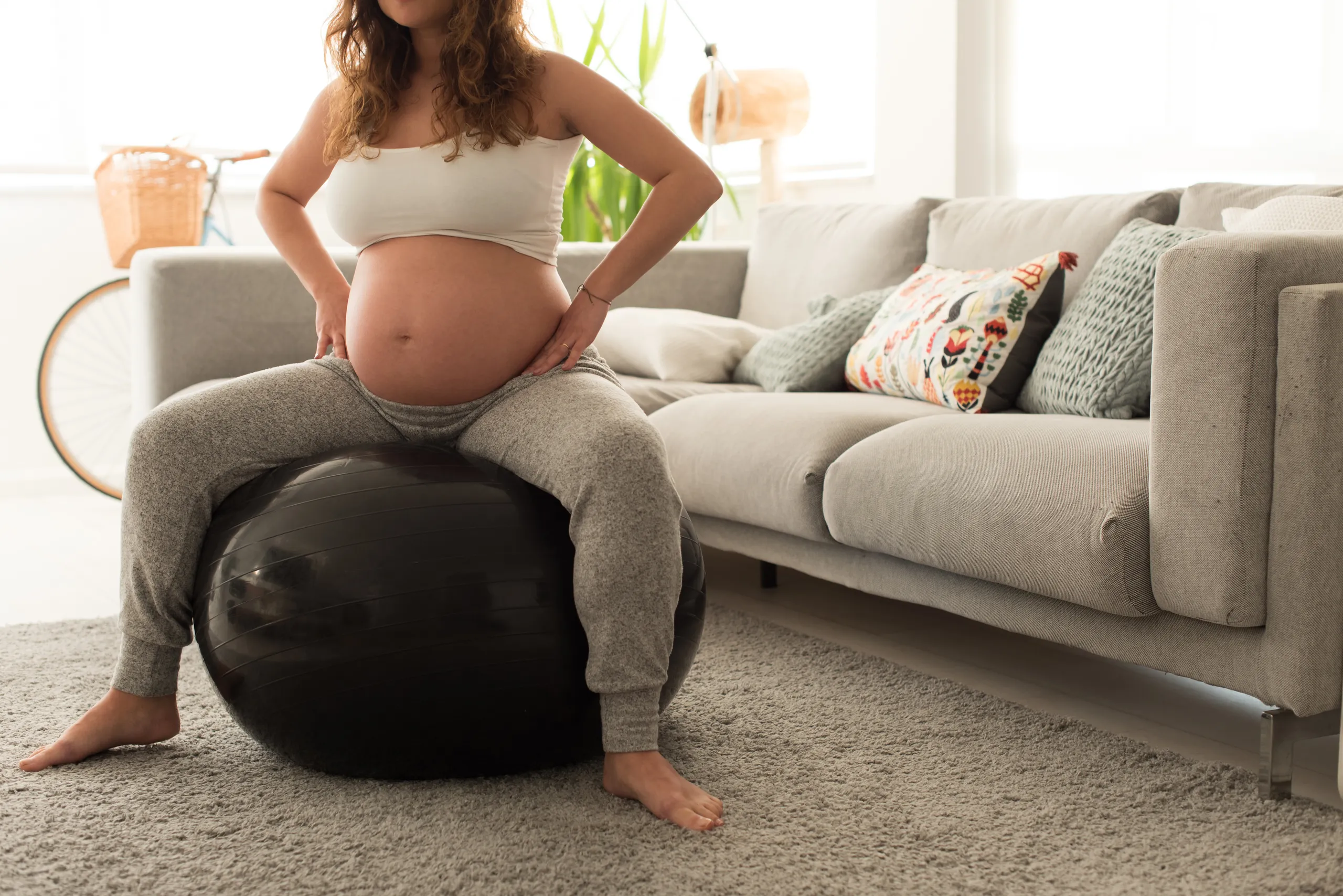
Walk daily and use a birthing ball
Practice slow breathing and pelvic relaxation
Rest and maintain hydration
Discuss membrane sweeping and induction options with your provider
Breathing techniques also help with pregnancy anxiety; see our acupressure points for anxiety guide for safe self-care. If your baby is breech earlier in pregnancy, review options on our breech baby page.
Natural Induction Myths
Spicy food, pineapple and evening primrose oil: no reliable evidence of benefit; some may cause discomfort.
Castor oil: can cause severe diarrhea and dehydration.
Nipple stimulation: only under provider guidance because strong contractions may occur.
Professional Support
A licensed acupuncturist trained in prenatal care can assess timing, gestational age and contraindications. Many practices begin sessions at 36 to 37 weeks for preparation, with provider approval.
FAQ
Can acupressure start labor?
Evidence is inconclusive. It may help comfort and relaxation but cannot reliably start labor.
When can I try acupressure for labor?
Only at term, typically after 37 weeks and with approval from your obstetric provider.
Is acupressure safe during pregnancy?
Certain points are avoided earlier in pregnancy. Consult your provider and a qualified practitioner first.
Should I try acupressure at home?
Only if your provider approves. Professional guidance is safer.