

Quick answer: Cold hands and feet occur when the body redirects blood flow toward the core, which is normal in cold environments. Persistent coldness may reflect poor circulation, anemia, thyroid disorders, Raynaud’s phenomenon or nerve problems. Chinese medicine often interprets it as Yang deficiency or Qi stagnation. Medical evaluation should come first when symptoms are persistent, asymmetrical or accompanied by color changes.
Medical Causes to Rule Out
Western medicine considers several explanations:
Raynaud’s phenomenon: fingers or toes turn white, then blue, then red under cold or stress
Anemia and low iron: reduced oxygen delivery
Hypothyroidism: slower metabolism and cold intolerance; see our article on acupuncture for Hashimoto’s and hypothyroidism
Peripheral artery disease and diabetes: impaired circulation or nerve damage
Neuropathy: numbness, tingling or burning, covered on our neuropathy page
Low body weight, smoking and certain medications, including some beta-blockers
Ask a physician about blood tests (complete blood count, ferritin, thyroid panel) when coldness is chronic.
How Chinese Medicine Explains Cold Extremities
TCM does not diagnose by single symptom. It distinguishes patterns:
Pattern | Typical signs |
|---|---|
Yang deficiency | Cold limbs, fatigue, pale face, loose stool, frequent urination |
Qi and Blood deficiency | Cold hands, dizziness, pale lips, poor concentration |
Liver Qi stagnation | Cold hands that worsen under stress, tension, irritability |
Cold-Damp | Heaviness, joint stiffness, worse in damp weather |
Understanding the role of Qi helps explain these patterns; see what Qi is in Chinese medicine.
What Can Help
Lifestyle
Dress in layers, with warm socks and gloves
Exercise daily to promote circulation
Avoid smoking and limit caffeine
Manage stress, which constricts small vessels
Eat warm, cooked meals and include iron-rich foods if advised by your physician
Chinese medicine support
Acupuncture may support circulation and autonomic balance, although evidence varies by cause. See our acupuncture page.
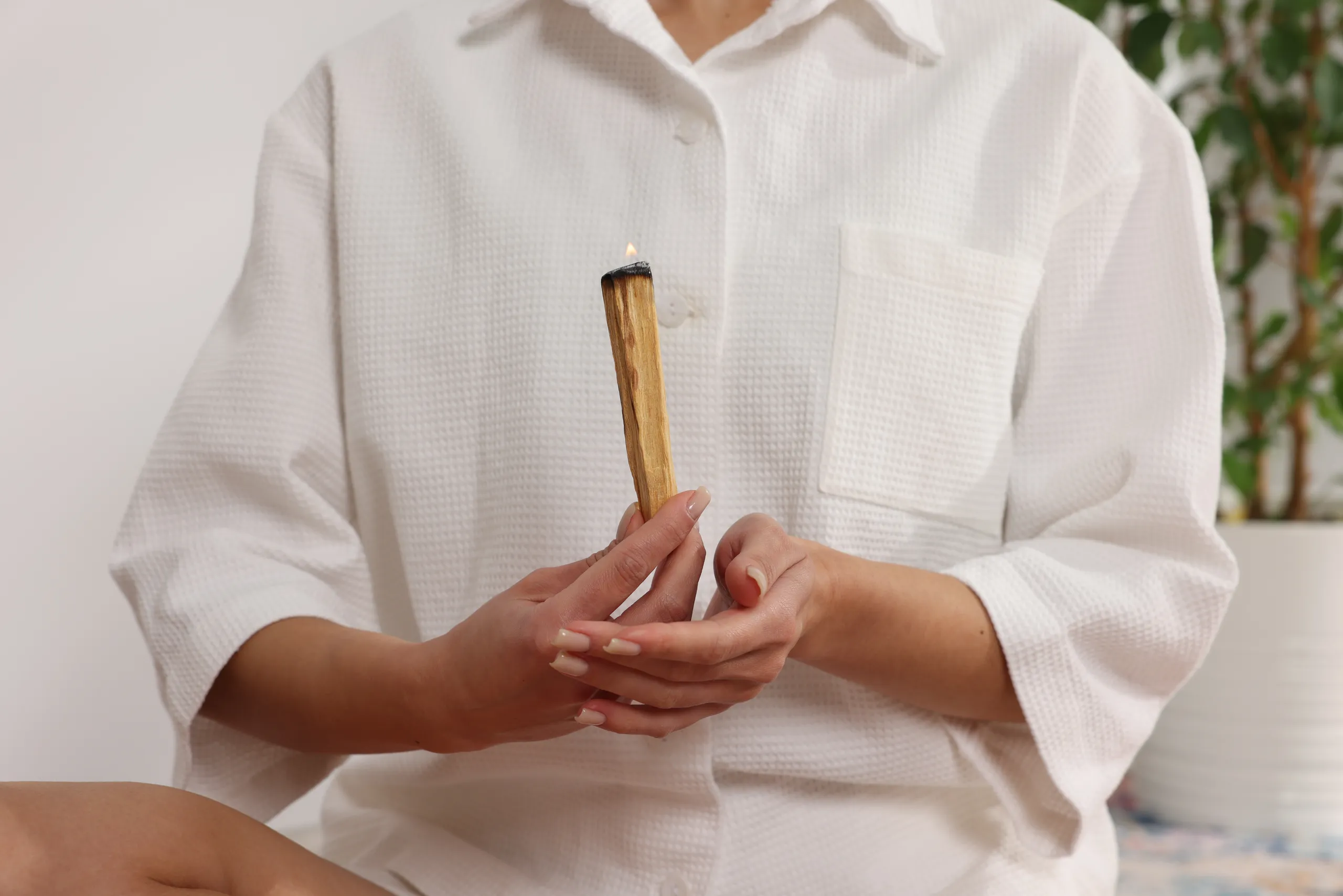
Moxibustion applies gentle heat at selected points to warm the body in Yang deficiency; learn more in moxibustion: what is it and does it work.
Onnetsu therapy uses far-infrared heat for comfortable warming; read about Onnetsu therapy.
Herbal formulas are selected by pattern; consult a practitioner and your physician about interactions through Chinese herbs at Pulse.
When to Seek Medical Care
Contact a physician promptly if you experience:
Color changes with pain or skin ulcers
Coldness in only one hand or foot
Numbness, weakness or non-healing wounds
Sudden onset with chest pain, shortness of breath or confusion
Persistent fatigue, weight change or hair loss
FAQ
Why are my hands cold but my body is warm?
Blood vessels in the extremities constrict to preserve core temperature, particularly with stress or cold exposure. Persistent cases require evaluation.
Is cold hands and feet a sign of poor circulation?
It can be, but anemia, thyroid disease and nerve disorders are also common causes.
Can acupuncture help cold hands and feet?
Some patients report improved warmth, but evidence is limited. It is best used alongside medical assessment.