

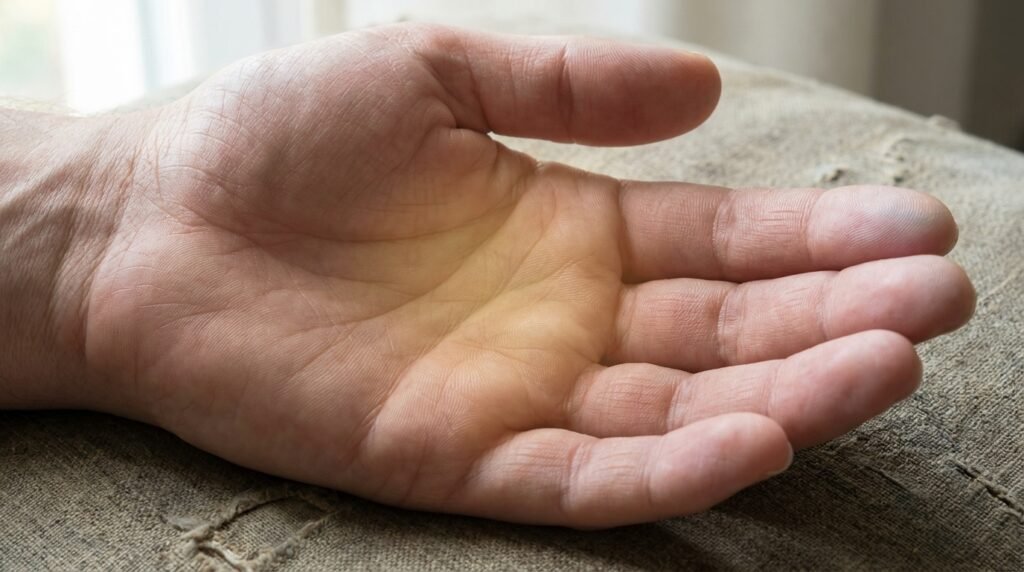
Neuropathy, a complex condition arising from nerve damage, often presents with debilitating symptoms such as pain, numbness, tingling, and muscle weakness. While the term “reversal” can imply a complete return to pre-condition nerve health, the prognosis is highly dependent on the underlying cause, the extent of nerve damage, and the timeliness of intervention. At Pulse Acupuncture, we assert that significant symptomatic relief, nerve regeneration, and functional restoration are frequently achievable, particularly when a comprehensive, individualized treatment strategy is implemented early. Our holistic approach, centered on traditional acupuncture and complementary therapies, aims not merely to mask symptoms but to address the root causes of neuropathy, facilitating the body’s intrinsic healing capabilities.
For individuals grappling with neuropathy, especially those seeking alternatives to pharmaceutical management, consulting with Marina Doktorman, L.Ac., offers a pathway towards profound improvement. We emphasize personalized treatment plans, utilizing modern acupuncture techniques alongside ancient wisdom to mitigate nerve pain, enhance nerve function, and improve overall quality of life. This integrated strategy can often stabilize the condition, prevent further deterioration, and, in many cases, lead to a substantial reduction in symptoms, effectively reversing the progression of discomfort and dysfunction.
Understanding Neuropathy: Causes and Manifestations
Neuropathy encompasses a range of conditions stemming from damage to the peripheral nervous system, which transmits information between the brain and spinal cord and the rest of the body. This damage disrupts nerve communication, leading to varied symptoms depending on the type of nerve affected—sensory, motor, or autonomic. Sensory neuropathy often manifests as tingling, numbness, or burning sensations, commonly in the extremities. Motor neuropathy can cause muscle weakness, cramps, or coordination difficulties, while autonomic neuropathy impacts involuntary functions such as heart rate, digestion, or blood pressure regulation.
The causes of neuropathy are diverse and multifaceted. According to the National Institute of Neurological Disorders and Stroke (NINDS), diabetes is the most prevalent cause, accounting for up to 60-70% of all neuropathy cases. This condition, termed diabetic neuropathy, develops due to sustained high blood glucose levels that impair nerve fibers. Other significant etiologies include autoimmune diseases (e.g., lupus, rheumatoid arthritis), infections (e.g., shingles, Lyme disease), traumatic injuries, vitamin deficiencies (particularly B vitamins), chronic alcoholism, and exposure to toxins, including certain chemotherapy drugs. Identifying the specific cause is paramount for devising an effective neuropathy treatment plan.
Common Neuropathy Symptoms
- Gradual onset of numbness or tingling in the feet or hands, spreading upward into the legs or arms.
- Sharp, jabbing, throbbing, or burning pain.
- Extreme sensitivity to touch, where even light contact can induce severe discomfort.
- Muscle weakness, leading to difficulty walking or performing fine motor tasks.
- Lack of coordination and balance, increasing fall risk.
- Bowel or bladder dysfunction, such as constipation or incontinence.
- Heat intolerance and altered sweating patterns.
Conventional Approaches to Neuropathy Treatment and Their Limitations
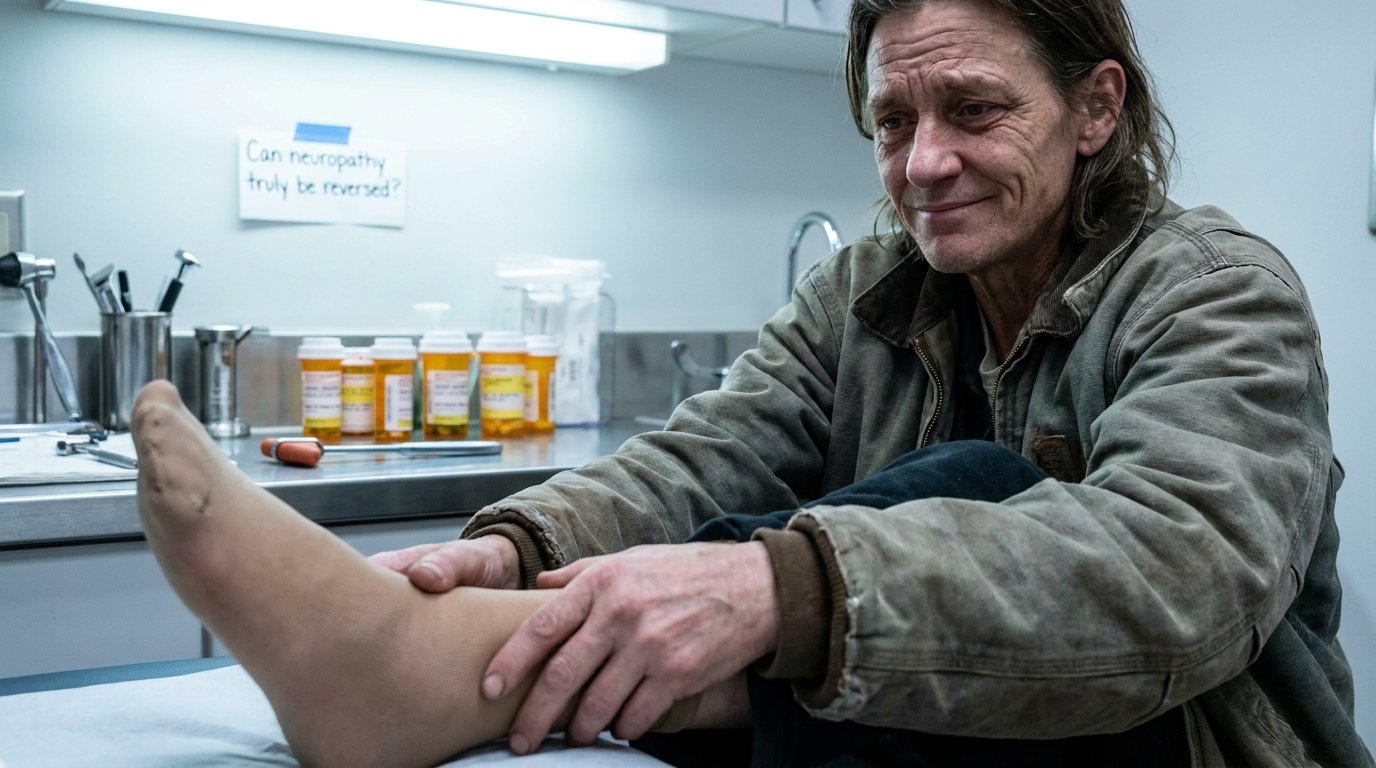
Western medicine typically addresses neuropathy by managing symptoms and, where possible, treating the underlying condition. Pharmacological interventions constitute a primary strategy, often involving medications originally developed for other purposes. These include anti-seizure drugs like gabapentin and pregabalin, which can mitigate nerve pain by modulating nerve signals, and certain antidepressants that influence pain pathways.
While these medications offer symptomatic relief for many, they do not address nerve damage directly and frequently present with undesirable side effects. Drowsiness, dizziness, nausea, and weight gain are common, impacting patient adherence and overall quality of life. For instance, the long-term use of opioid pain relievers, while effective for acute severe pain, carries significant risks of dependence and addiction, making them unsuitable for chronic neuropathy management. Physical therapy and occupational therapy are often prescribed to maintain muscle strength, improve balance, and enhance functional mobility, but they serve primarily as supportive measures rather than curative ones.
An expert observation indicates a common pitfall in neuropathy management: an over-reliance on symptomatic pharmaceutical solutions without adequately exploring modalities that promote actual nerve healing or address systemic imbalances. This approach can perpetuate a cycle of medication dependency while the underlying pathology continues. The challenge lies in the fact that conventional treatments frequently lack the capacity to stimulate nerve regeneration or substantially improve microcirculation to damaged nerve tissues, leaving many patients with persistent discomfort and functional limitations.
Acupuncture for Neuropathy: A Regenerative Modality
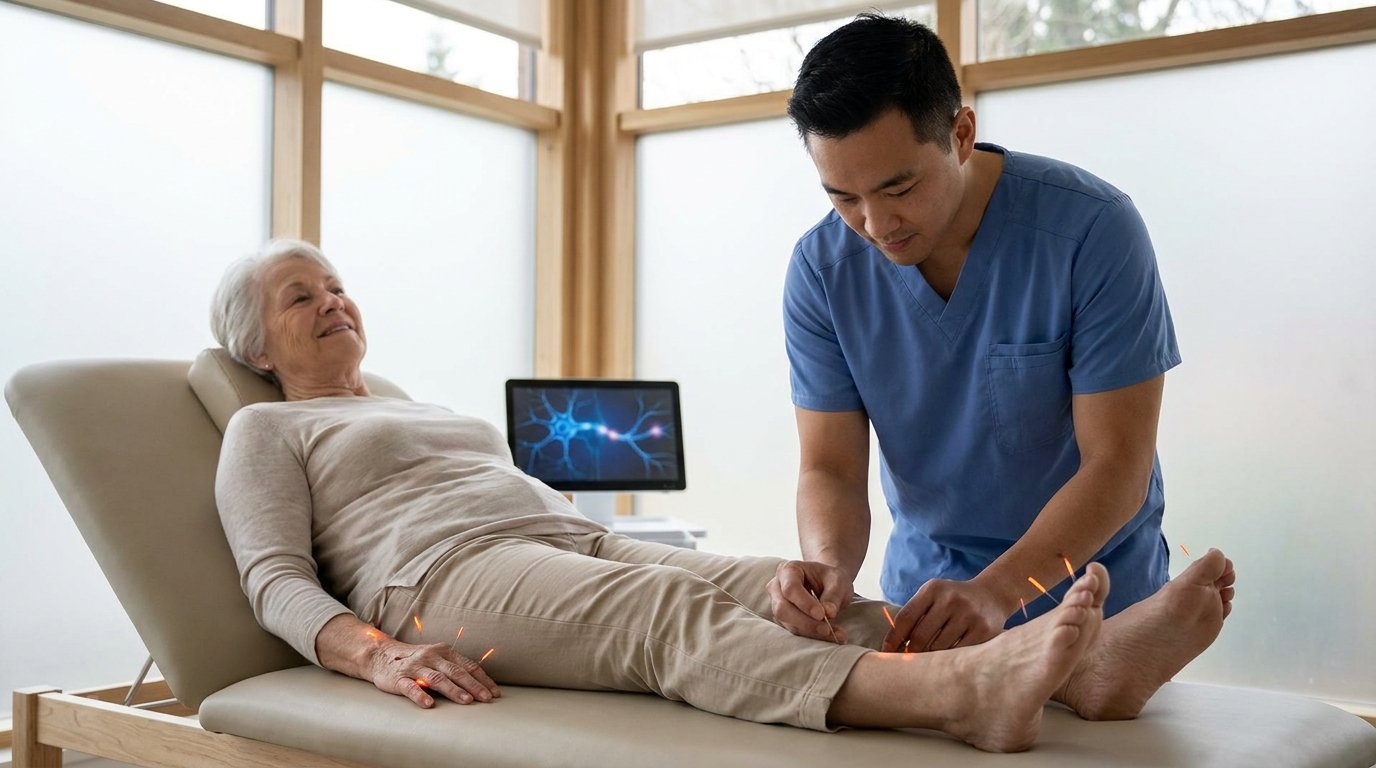
Acupuncture offers a compelling, drug-free alternative for neuropathy management, rooted in the principles of Traditional Chinese Medicine (TCM). From a TCM perspective, neuropathy arises from disruptions in the body’s vital energy (Qi) and Blood circulation, leading to blockages or deficiencies that starve the nerves of essential nourishment. The insertion of ultra-fine needles at specific acupuncture points along meridians aims to restore the harmonious flow of Qi and Blood, thereby promoting cellular repair and alleviating pain.
The scientific understanding of acupuncture for neuropathy reveals several key mechanisms. Acupuncture stimulates nerve fibers, enhancing signal transmission and promoting neuroplasticity—the brain’s ability to reorganize itself by forming new neural connections. This stimulation can also encourage the release of natural pain-relrelieving endorphins and enkephalins, offering profound analgesic effects without pharmaceutical side effects. Furthermore, acupuncture significantly improves local blood flow and microcirculation to the affected nerves, delivering oxygen and nutrients crucial for nerve repair and regeneration while simultaneously clearing inflammatory mediators. This comprehensive action positions acupuncture as a truly regenerative modality, targeting both symptom management and the underlying physiological dysfunction. Research published in the Journal of Pain Research highlights acupuncture’s effectiveness in reducing neuropathic pain intensity and improving nerve conduction velocity in various neuropathy models.
At Pulse Acupuncture, Marina Doktorman, L.Ac., employs a painless approach to healing, integrating traditional techniques with modern understanding of neurophysiology. Each treatment is meticulously customized to the individual’s specific neuropathy presentation and TCM diagnosis, ensuring optimal therapeutic outcomes. This tailored methodology addresses unique imbalances, whether it’s dampness obstructing meridians, Blood stasis impairing circulation, or Qi deficiency weakening nerve function, maximizing the potential for symptomatic resolution and functional improvement. Our clinic consistently observes that integrating acupuncture into a patient’s care plan provides lasting relief where other treatments have faltered.
Tailored Acupuncture Protocols for Neuropathy Types
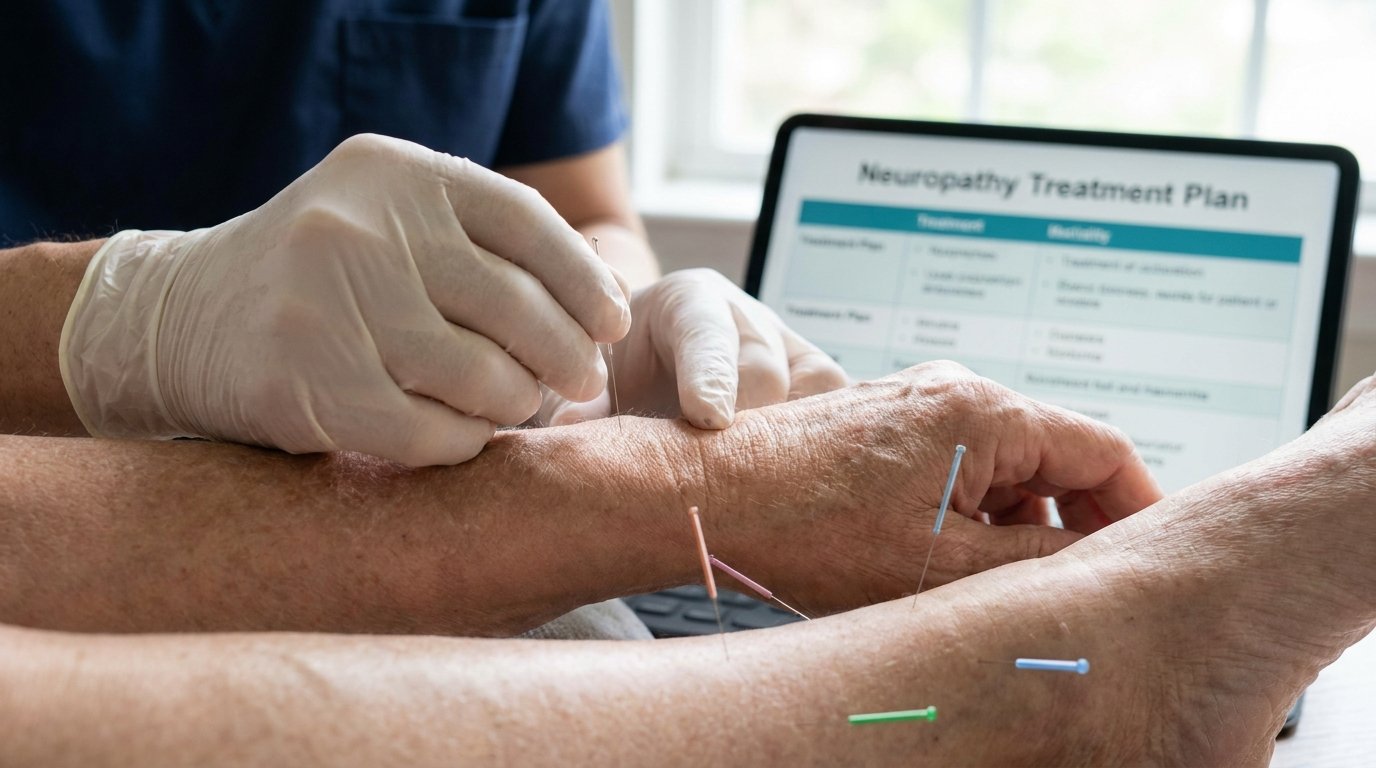
The efficacy of `acupuncture and neuropathy` treatment is significantly amplified through customized protocols that consider the specific type and etiology of the nerve damage. Marina Doktorman, L.Ac., employs a diagnostic framework that integrates both Western medical findings and TCM pattern differentiation to create highly personalized treatment plans. This ensures that the acupuncture points selected and the adjunctive therapies utilized are precisely matched to the individual’s unique physiological landscape.
For individuals with diabetic neuropathy, a common and often challenging form of the condition, the focus extends beyond pain relief to include systemic metabolic balancing. Acupuncture protocols often target points known to improve pancreatic function, regulate blood sugar levels, and enhance microcirculation to the peripheral nerves, thereby mitigating the progression of nerve damage caused by hyperglycemia. A typical protocol might involve points such as SP6, ST36, and LI4 to harmonize the Spleen and Stomach, critical for metabolic health in TCM, alongside local needling at the affected extremities to stimulate circulation directly.
Chemotherapy-induced peripheral neuropathy (CIPN) presents another distinct challenge, often characterized by severe sensory disturbances. Here, acupuncture aims to reduce inflammation, protect nerve cells from cytotoxic damage, and promote neural repair. Points that support Kidney essence and Blood, such as KD3 and BL23, are frequently utilized to strengthen the body’s resilience and counteract the debilitating effects of chemotherapy on nerve tissue. For compressive neuropathies, like carpal tunnel syndrome, local needling at entrapment sites combined with distal points that promote Qi and Blood flow can alleviate pressure and restore nerve function. A crucial aspect of our `neuropathy treatment` is the dynamic adjustment of points and techniques based on the patient’s evolving symptoms and response, reflecting the personalized care central to Pulse Acupuncture.
Complementary Therapies Enhancing Neuropathy Reversal Potential
Beyond traditional acupuncture, Pulse Acupuncture integrates a suite of complementary therapies to amplify the potential for neuropathy improvement and long-term wellness. These modalities, deeply rooted in TCM, work synergistically with acupuncture to address complex nerve conditions from multiple angles, promoting more comprehensive and lasting relief. Embracing an alternative medicine: a holistic approach to health is fundamental to our philosophy.
- Cupping Therapy: This technique involves placing heated cups on the skin to create suction, which draws blood to the surface. Cupping significantly enhances local circulation, reduces muscle tension, and promotes detoxification. For neuropathy, improved blood flow is crucial for delivering nutrients to damaged nerves and facilitating the removal of metabolic waste products that can impede healing.
- Moxibustion: The application of heat from burning mugwort (moxa) herb near acupuncture points profoundly stimulates Qi and Blood flow. Moxibustion is particularly beneficial for neuropathies characterized by coldness, numbness, or chronic pain, as it warms the meridians, dispels cold, and invigorates circulation, fostering nerve regeneration.
- Herbal Medicine: Chinese herbal formulas are customized to address specific TCM patterns underlying neuropathy, such as Blood stasis, Qi deficiency, or dampness. These botanical remedies can reduce inflammation, nourish nerve tissue, improve microcirculation, and support overall organ function, providing internal support for nerve health.
- Lifestyle Modifications: Patients receive guidance on dietary adjustments, stress management techniques, and appropriate exercise routines. A diet rich in anti-inflammatory foods, adequate hydration, and avoidance of neurotoxic substances like excessive alcohol can significantly support nerve health. Mindfulness practices and gentle movement therapies can also mitigate symptoms and enhance the body’s self-healing capacity.
Marina Doktorman, L.Ac., emphasizes patient education, empowering individuals to become active participants in their healing journey. This integrated approach not only targets the physical manifestations of neuropathy but also supports the patient’s emotional well-being, which is often compromised by chronic pain and functional limitations. By combining various therapeutic tools, we cultivate an environment conducive to holistic healing and maximum `neuropathy reversal` potential.
Expected Outcomes and Treatment Duration for Neuropathy Relief
Setting realistic expectations is crucial when embarking on `neuropathy treatment`. While the term “reversal” can be aspirational, particularly for long-standing or severe nerve damage, acupuncture offers substantial potential for significant improvement, symptom reduction, and enhanced nerve function. Many patients experience a profound decrease in pain, tingling, and numbness, alongside improvements in motor control and sensation. The degree of improvement is often proportional to the duration and consistency of treatment, as nerve healing is a gradual biological process.
A typical course of acupuncture for neuropathy generally involves an initial intensive phase, followed by maintenance treatments. Most patients will require weekly or bi-weekly sessions for 6 to 10 weeks to initiate significant changes in nerve health and symptom severity. Clinical experience at Pulse Acupuncture demonstrates that consistent commitment to 3-6 sessions often yields noticeable relief, with continued progress observed over subsequent weeks. Factors influencing the total duration and frequency of treatment include the underlying cause of neuropathy, its severity and chronicity, the patient’s overall health status, and adherence to lifestyle recommendations.
Regarding treatment costs, acupuncture fees for neuropathy can vary. An initial consultation, which includes a comprehensive assessment and the first treatment, typically ranges from $150 to $250. Subsequent follow-up sessions generally fall within the range of $80 to $150 per session, depending on the complexity of the case and the therapies included. At Pulse Acupuncture, we also offer treatment packages, which can reduce the per-session cost for committed patients. For a detailed breakdown of expenses, refer to our comprehensive guide on acupuncture costs. While some insurance plans may cover acupuncture, it is advisable to verify coverage prior to commencing treatment. Our goal is to make effective, holistic care accessible, providing clear guidance on the path to lasting relief from chronic pain.
Comparative Approaches to Neuropathy Management
Understanding the distinctions between various treatment philosophies for neuropathy helps patients make informed decisions about their care. Below is a comparison of conventional Western medicine, Traditional Chinese Medicine (TCM), and an integrated holistic approach.
| Feature | Conventional Western Medicine | Traditional Chinese Medicine (TCM) | Integrated Holistic Approach (Pulse Acupuncture) |
|---|---|---|---|
| Primary Goal | Symptom management, addressing underlying disease where possible. | Restore balance of Qi & Blood, promote body’s self-healing. | Comprehensive nerve regeneration, symptom relief, and systemic balance. |
| Main Modalities | Pharmaceuticals (pain relievers, anti-seizure, antidepressants), physical therapy, surgery. | Acupuncture, herbal medicine, cupping, moxibustion, dietary therapy. | Acupuncture (painless), cupping, moxibustion, targeted herbal formulas, lifestyle guidance. |
| Mechanism of Action | Block pain signals, reduce nerve excitability, improve nerve conduction velocity (limited). | Regulate Qi flow, invigorate Blood, reduce inflammation, nourish nerves. | Neuro-stimulation, enhanced microcirculation, anti-inflammatory effects, nerve regeneration, systemic balance. |
| Side Effects | Drowsiness, dizziness, nausea, addiction potential (opioids), gastrointestinal issues. | Generally minimal; minor bruising at needle sites, fatigue. | Minimal; focuses on enhancing innate healing without adverse drug reactions. |
| Approach to Cause | Identifies and treats specific Western medical diagnosis (e.g., diabetes management). | Addresses underlying energetic imbalances (e.g., Liver Qi Stagnation, Kidney Deficiency). | Integrates Western diagnosis with TCM patterns for individualized, root-cause treatment. |
Disclaimer: The information provided in this article is for educational purposes only and should not be considered medical advice. It is essential to consult with a qualified healthcare professional, such as Marina Doktorman, L.Ac., or your physician, before making any decisions about your health or treatment plan, especially for complex conditions like neuropathy.
FAQ
What is peripheral neuropathy?
Peripheral neuropathy is a condition characterized by damage to the nerves outside the brain and spinal cord, known as the peripheral nervous system. This damage disrupts normal nerve signaling, leading to symptoms such as pain, numbness, tingling, muscle weakness, and impaired coordination, most commonly in the hands and feet.
How does acupuncture alleviate neuropathy symptoms?
Acupuncture alleviates neuropathy symptoms by stimulating nerve fibers, improving local blood circulation to damaged nerve tissues, and reducing inflammation. It also triggers the body’s natural pain-relieving mechanisms by releasing endorphins, thereby promoting nerve regeneration and restoring proper nerve function.
Is neuropathy always permanent?
Neuropathy is not always permanent. The potential for improvement or “reversal” depends significantly on the underlying cause, the extent of nerve damage, and the promptness of intervention. While some forms of severe, chronic neuropathy may present lasting challenges, many cases, especially when treated holistically and early, can experience significant symptomatic relief and functional recovery.
Which lifestyle changes support neuropathy management?
Lifestyle changes crucial for neuropathy management include maintaining a balanced, anti-inflammatory diet, engaging in regular, gentle exercise to promote circulation and nerve health, and effectively managing stress. Avoiding neurotoxic substances like excessive alcohol and ensuring adequate intake of essential vitamins, particularly B vitamins, also provide significant support.
Can diabetic neuropathy be effectively managed with acupuncture?
Yes, diabetic neuropathy can be effectively managed with acupuncture. Acupuncture not only addresses neuropathic pain but also aims to improve systemic metabolic balance, enhance microcirculation, and regulate blood sugar levels, which are critical for mitigating nerve damage caused by diabetes. This comprehensive approach offers significant symptomatic relief and can help prevent further disease progression.
What is the typical cost for acupuncture treatment for neuropathy?
The typical cost for acupuncture treatment for neuropathy varies based on location and clinic. An initial consultation, including assessment and first treatment, usually ranges from $150 to $250. Subsequent follow-up sessions generally cost between $80 and $150. Many clinics, including Pulse Acupuncture, offer treatment packages that can reduce the overall per-session cost for a committed treatment plan.