

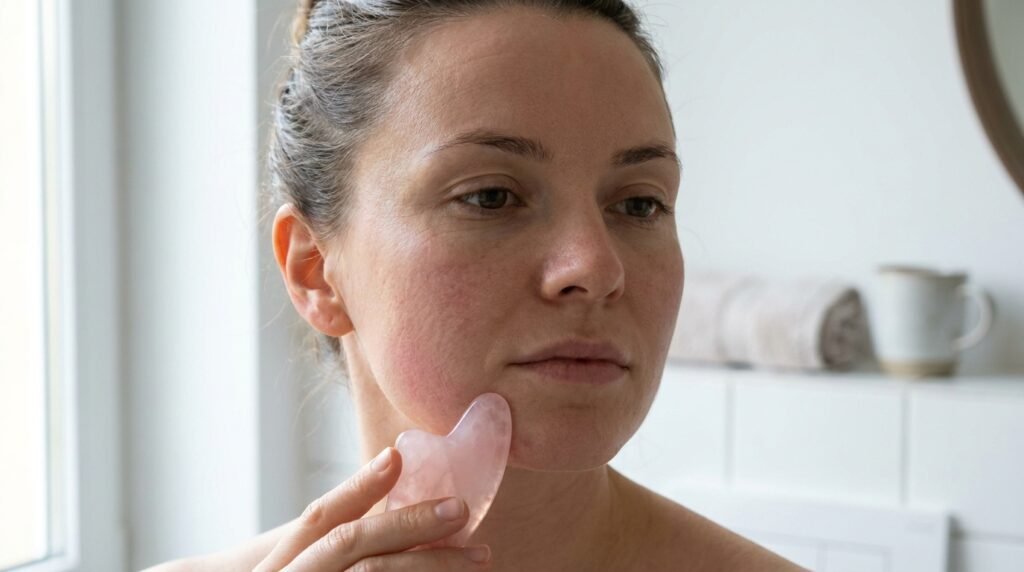
For individuals seeking to refine their jawline contour and alleviate facial tension, Gua Sha presents a demonstrably effective, non-invasive treatment rooted in Traditional Chinese Medicine (TCM). This ancient technique, utilizing a specialized tool to stroke the skin, systematically addresses lymphatic stagnation, releases fascial adhesions, and relaxes hypertonic musculature along the jawline. At Pulse Acupuncture, our approach integrates these methods with a profound understanding of individual physiological nuances, ensuring customized protocols for optimal aesthetic and therapeutic outcomes. Consistent application, combined with appropriate facial oils and precise techniques, can yield a visibly more defined jawline, reduced puffiness, and enhanced facial circulation. We recommend a personalized consultation with Marina Doktorman, L.Ac., to ascertain the most beneficial Gua Sha regimen tailored to your unique facial structure and wellness objectives.
The Physiological Mechanisms of Gua Sha for Jawline Contouring
Gua Sha contributes to jawline definition through several physiological actions, primarily impacting lymphatic drainage, fascial release, and muscle relaxation. The directed strokes stimulate microcirculation, promoting detoxification and reducing fluid retention that can obscure facial contours. This enhanced blood flow facilitates nutrient delivery to dermal tissues, supporting skin health and elasticity.
Moreover, Gua Sha effectively addresses fascial restrictions and muscle tension in the masticatory muscles, such as the masseter and temporalis. Chronic tension in these muscles, often exacerbated by stress or teeth grinding, can contribute to a broadened lower face and indistinct jawline. By applying controlled pressure, Gua Sha can release these deeply held tensions, allowing the underlying bone structure to become more pronounced. Research published in the Journal of Clinical and Aesthetic Dermatology highlights the role of facial massage techniques in improving skin firmness and reducing the appearance of aging.
The practice also influences the superficial muscular aponeurotic system (SMAS), a critical layer affecting facial sagging and contour. By gently manipulating this connective tissue, Gua Sha supports the lift and tone of facial muscles, contributing to a more sculpted appearance. This holistic approach extends beyond superficial aesthetics, promoting overall facial vitality.
Optimizing Jawline Definition with Precise Gua Sha Techniques
Achieving a sculpted jawline with Gua Sha necessitates specific techniques that target the musculature and lymphatic pathways of the lower face. Proper pressure and angle are paramount to avoid counterproductive effects or skin irritation. We utilize a flattened edge of the Gua Sha tool, maintaining an angle of approximately 15-45 degrees against the skin, to maximize lymphatic drainage and fascial release without undue friction.
A common error observed by practitioners is excessive pressure or performing strokes on dry skin, which can cause bruising or capillary damage. Always apply a generous amount of facial oil to ensure the tool glides smoothly. For optimal jawline sculpting, focus on upward and outward strokes along the mandibular line. Marina Doktorman, L.Ac., advises patients to perform these movements consistently for sustained benefits.
The following sequence outlines effective techniques for jawline enhancement:
- Neck Preparation: Begin by stroking downwards on the side of the neck, from behind the earlobe to the collarbone. This clears lymphatic pathways, allowing drainage from the face. Perform 5-10 strokes on each side.
- Chin to Ear: Place the tool at the center of the chin. With firm, yet comfortable pressure, sweep the tool along the jawline towards the earlobe. Perform 5-10 strokes on each side.
- Under the Jaw: Use the indented curve of the tool to cup the jawline. Glide it from the chin towards the ear, focusing on the underside of the mandible. This targets submandibular lymphatic nodes and deeper muscles. Repeat 5-10 times per side.
- Masseter Muscle Release: Identify the masseter muscle (clench your jaw to feel it). Using the longer edge of the tool, perform gentle, sweeping strokes from the lower jaw up towards the cheekbone, or use small, circular motions over the muscle belly to release tension. This is especially beneficial for those experiencing TMJ discomfort or habitual teeth grinding.
- Finishing Sweep: Conclude by again sweeping down the neck to ensure complete lymphatic drainage.
Each stroke should be deliberate and slow, allowing the tissues to respond. Performing Gua Sha 3-5 times per week for 5-10 minutes can yield noticeable improvements in jawline definition and overall facial vitality. For deeper muscle tension and related concerns, complementary therapies such as acupuncture for muscle knots can significantly augment Gua Sha’s benefits.
Selecting the Optimal Facial Oil for Gua Sha Massage
The choice of facial oil is crucial for an effective and safe Gua Sha practice, serving both as a lubricant and a source of nourishing compounds. An appropriate oil allows the Gua Sha tool to glide smoothly over the skin, preventing unnecessary tugging, friction, or irritation, which could lead to capillary damage or exacerbate existing skin sensitivities. Beyond lubrication, quality facial oils deliver beneficial nutrients, antioxidants, and fatty acids directly to the skin, enhancing its health and appearance.
When selecting a facial oil, consider your skin type and specific concerns. For sensitive or acne-prone skin, non-comedogenic oils are preferable. Dry skin benefits from richer, more emollient options. According to dermatological consensus, natural, cold-pressed oils free from artificial fragrances and harsh chemicals are generally recommended to minimize adverse reactions. The average price range for a quality facial oil suitable for Gua Sha is approximately $20–$80 for beneficial blends, while premium, organic, or specialized formulations can range from $80–$200+.
Recommended Facial Oils for Gua Sha:
- Jojoba Oil: Structurally similar to the skin’s natural sebum, it is non-comedogenic and suitable for all skin types, including oily and acne-prone skin. It provides excellent glide and is rich in vitamins E and B.
- Rosehip Oil: Known for its regenerative properties, high in vitamins A and C, and essential fatty acids. Ideal for mature skin, hyperpigmentation, and scar reduction.
- Argan Oil: A lightweight oil rich in vitamin E and essential fatty acids, offering hydration and antioxidant protection. Suitable for most skin types, particularly dry and combination skin.
- Squalane Oil: Highly emollient and non-comedogenic, derived from olives or sugarcane. It is exceptionally lightweight and provides intense hydration without a greasy feel, making it excellent for sensitive skin.
- Grapeseed Oil: A very light, non-comedogenic oil rich in antioxidants. Ideal for oily and sensitive skin.
Always perform a patch test when introducing a new oil to your routine. The objective is to select an oil that allows the tool to move fluidly, provides adequate slip, and complements your skin’s unique requirements. This foundational step significantly influences the efficacy and comfort of your Gua Sha treatment, contributing to superior outcomes in facial contouring and skin health.
Comprehensive Benefits of Integrating Gua Sha into Facial Regimens
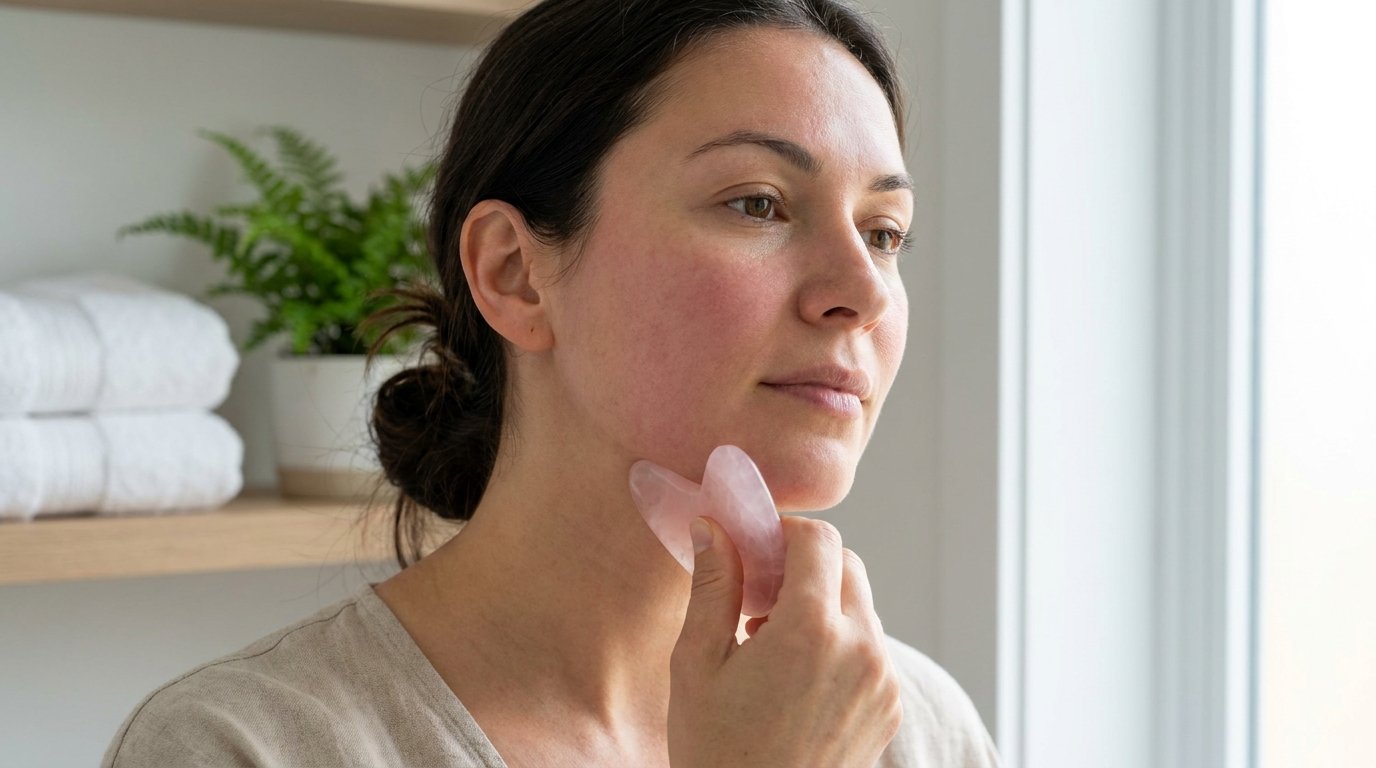
Integrating Gua Sha into a regular facial regimen extends far beyond mere jawline definition, offering a spectrum of holistic benefits for the entire face and overall well-being. This ancient TCM practice stimulates circulation, promotes lymphatic drainage, and mitigates muscle tension, collectively contributing to a healthier, more vibrant complexion. The systematic application of Gua Sha acts as a powerful catalyst for cellular rejuvenation and detoxification, enhancing the skin’s natural healing processes.
Beyond its contouring effects, regular Gua Sha massage can significantly reduce facial puffiness, particularly around the eyes and cheeks, by facilitating the removal of stagnant fluids. It also contributes to a noticeable improvement in skin tone and texture, lending a radiant glow. The gentle stimulation encourages collagen and elastin production over time, vital proteins for maintaining skin firmness and elasticity, thereby reducing the appearance of fine lines and wrinkles. A 2018 study published in the Journal of Traditional and Complementary Medicine found that facial massage can enhance skin blood flow and improve facial skin conditions.
The therapeutic benefits also encompass tension relief and stress reduction. Many individuals carry significant tension in their facial muscles, particularly in the jaw, temples, and forehead, often stemming from stress, clenching, or digital eye strain. Gua Sha effectively releases these muscular knots, providing profound relaxation and alleviating associated discomforts such as headaches and facial pain. This relaxation response can also contribute to a reduction in cortisol levels, aligning with holistic strategies to lower cortisol levels. By addressing both physical and energetic stagnation, Gua Sha supports a balanced and harmonious facial ecosystem.
Additional Holistic Benefits:
- Improved Product Absorption: Enhances the penetration of topical serums and moisturizers subsequent to treatment.
- Reduced Sinus Pressure: Strokes around the sinuses can help alleviate congestion.
- Enhanced Skin Radiance: Increased blood flow brings vital nutrients and oxygen to skin cells, resulting in a healthier, brighter complexion.
- Alleviation of Chronic Facial Tension: Releases habitual tension patterns in the jaw, temples, and brow.
- Boosted Immunity: Supports the lymphatic system, which plays a crucial role in immune function.
These multifaceted benefits underscore Gua Sha’s role not merely as a cosmetic tool but as an integral component of a comprehensive wellness routine, aligning with the holistic principles championed at Pulse Acupuncture. For deeper tension release and musculoskeletal support, our massage therapy services can provide complementary benefits.
Traditional Chinese Medicine Perspective on Facial Sculpting
From a Traditional Chinese Medicine (TCM) perspective, facial health and contour are intrinsically linked to the optimal flow of Qi (vital energy) and Blood within the meridian system. Stagnation or deficiency in these vital substances can manifest as puffiness, dull complexion, premature aging, and a loss of facial definition, including an indistinct jawline. Gua Sha is rooted in the principle of “moving stagnation” (活血化瘀 – huó xuè huà yū) and promoting the smooth circulation of Qi and Blood.
The face is traversed by numerous meridians, including those associated with the Stomach, Large Intestine, Small Intestine, and Gallbladder. For instance, the Stomach meridian, which runs along the jawline and up to the temples, can accumulate excess heat or dampness, leading to facial swelling or acne. By performing Gua Sha along these pathways, practitioners aim to disperse blockages, regulate meridian function, and restore energetic balance. This targeted approach not only enhances aesthetic appeal but also addresses underlying energetic imbalances contributing to specific facial concerns.
Furthermore, TCM emphasizes the importance of internal harmony for external beauty. The condition of the Spleen and Kidney energies, for example, directly impacts fluid metabolism and collagen production. A strong Spleen ensures proper fluid transformation, preventing dampness and puffiness, while robust Kidney energy supports youthful skin and hair. Gua Sha, by stimulating local circulation and indirectly influencing these organ systems via meridian connections, supports the body’s intrinsic ability to maintain facial vitality. This holistic view ensures that treatments extend beyond surface-level concerns, fostering true wellness that radiates through the complexion.
Distinguishing Gua Sha Tools: Material and Ergonomics
The efficacy and experience of Gua Sha are significantly influenced by the choice of tool, primarily its material and ergonomic design. Different materials possess unique energetic properties according to TCM principles, while varied shapes cater to specific facial contours and therapeutic goals. Understanding these distinctions enables individuals to select a tool that best suits their skin type, comfort, and desired outcomes.
Common Gua Sha Tool Materials:
| Material | Characteristics | TCM Properties | Price Range |
|---|---|---|---|
| Jade | Smooth, cool to the touch, often light green. Non-porous. | Cooling, calming, balancing Qi. Promotes tranquility. | $15 – $40 |
| Rose Quartz | Smooth, cool, often pink. Non-porous. | Heart-healing, soothing, promotes self-love and gentle energy. | $15 – $40 |
| Bian Stone | Dense, black or dark grey, produces far-infrared rays and ultrasonic pulses. | Strongest energetic properties, known for healing, pain relief, and stimulating microcirculation. | $40 – $100+ |
| Stainless Steel | Durable, hygienic, naturally cool, easy to clean. | Neutral, excellent glide, retains coolness well. Very durable. | $30 – $70 |
The ergonomic design of a Gua Sha tool is equally critical for effective facial contouring. Tools typically feature various curves, edges, and points engineered to navigate the complex topography of the face. For jawline definition, tools with a pronounced U-shaped curve or an elongated edge are particularly effective for hugging the mandibular line and facilitating lymphatic drainage from the chin to the ear. Smaller, rounded edges are useful for delicate areas like under the eyes, while pointed tips can target specific acupressure points or muscle knots.
Marina Doktorman, L.Ac., often recommends Bian stone or high-quality stainless steel tools for their superior glide and therapeutic properties, especially for individuals addressing deeper fascial restrictions. While aesthetically pleasing, softer stones like jade and rose quartz may chip more easily if dropped. The investment in a well-designed, durable tool ensures longevity and consistent results over time. Prices generally range from $10–$50 for budget-friendly jade or rose quartz options, while Bian stone or medical-grade stainless steel tools can range from $30–$100 or more, reflecting their enhanced durability and specific therapeutic qualities.
Integrating Gua Sha with Complementary Therapies for Holistic Wellness
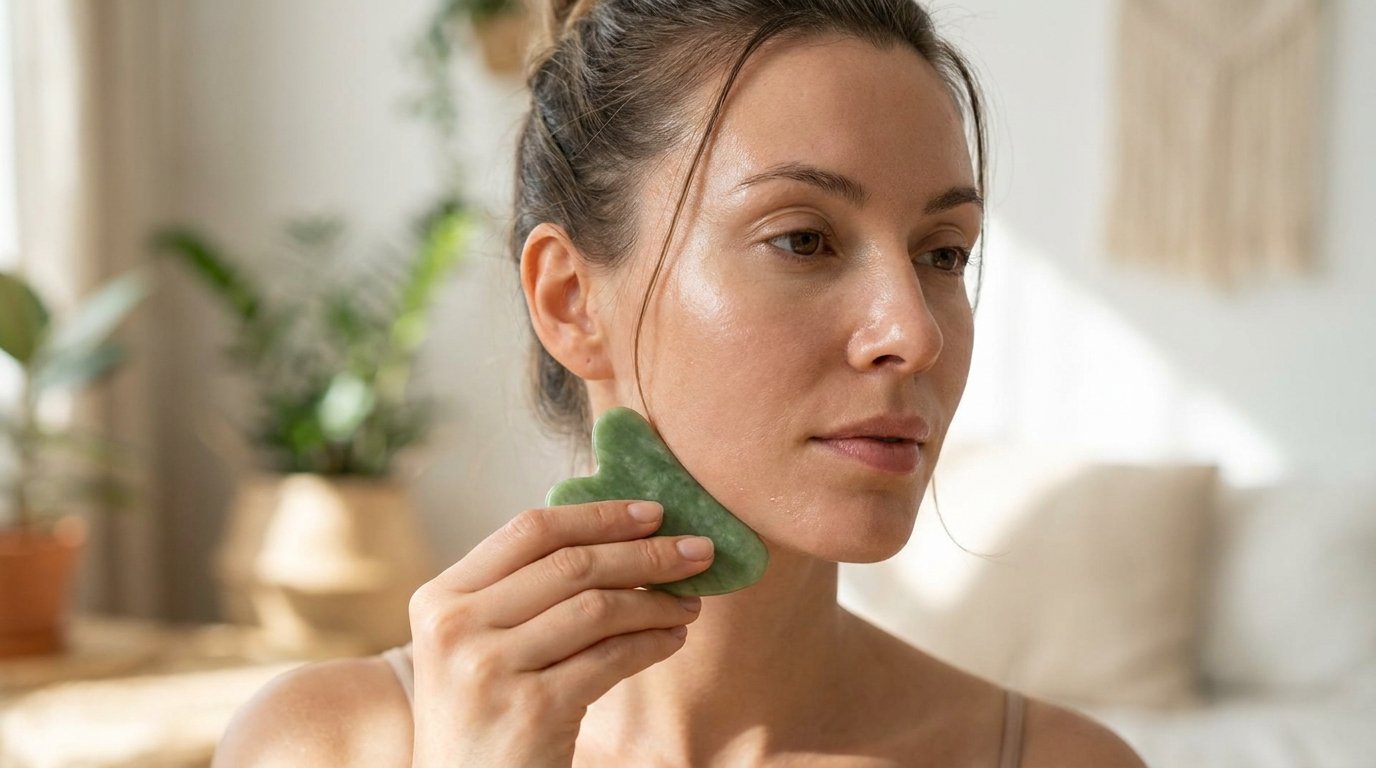
While Gua Sha is a powerful standalone therapy for facial contouring and wellness, its benefits are often amplified when integrated with other complementary therapies offered at Pulse Acupuncture. This synergistic approach addresses underlying imbalances more comprehensively, yielding more profound and lasting results. The holistic philosophy of TCM underscores the interconnectedness of all bodily systems, suggesting that optimizing overall health will naturally reflect in facial vitality.
For individuals seeking enhanced facial definition and overall skin health, combining Gua Sha with professional acupuncture treatments can be particularly effective. Facial acupuncture, for instance, utilizes fine needles at specific points to stimulate collagen production, improve circulation, and release deeper muscular tension, complementing Gua Sha’s surface-level lymphatic and fascial work. This combination can lead to more significant improvements in skin tone, elasticity, and a sculpted appearance.
Moreover, addressing internal factors such as stress, sleep quality, and digestive health is crucial. Therapies like acupuncture for stress reduction or herbal medicine to support gut health can indirectly impact facial puffiness, complexion clarity, and jawline tension. For example, chronic stress often manifests as jaw clenching, contributing to a broadened jawline and muscle hypertrophy. Integrating Gua Sha with stress-reducing therapies offers a comprehensive solution. This multi-modal approach ensures that treatments are not merely superficial but contribute to a deeper state of equilibrium and wellness, manifesting as radiant and defined facial features.
The Clinical Efficacy of Regular Gua Sha Practice
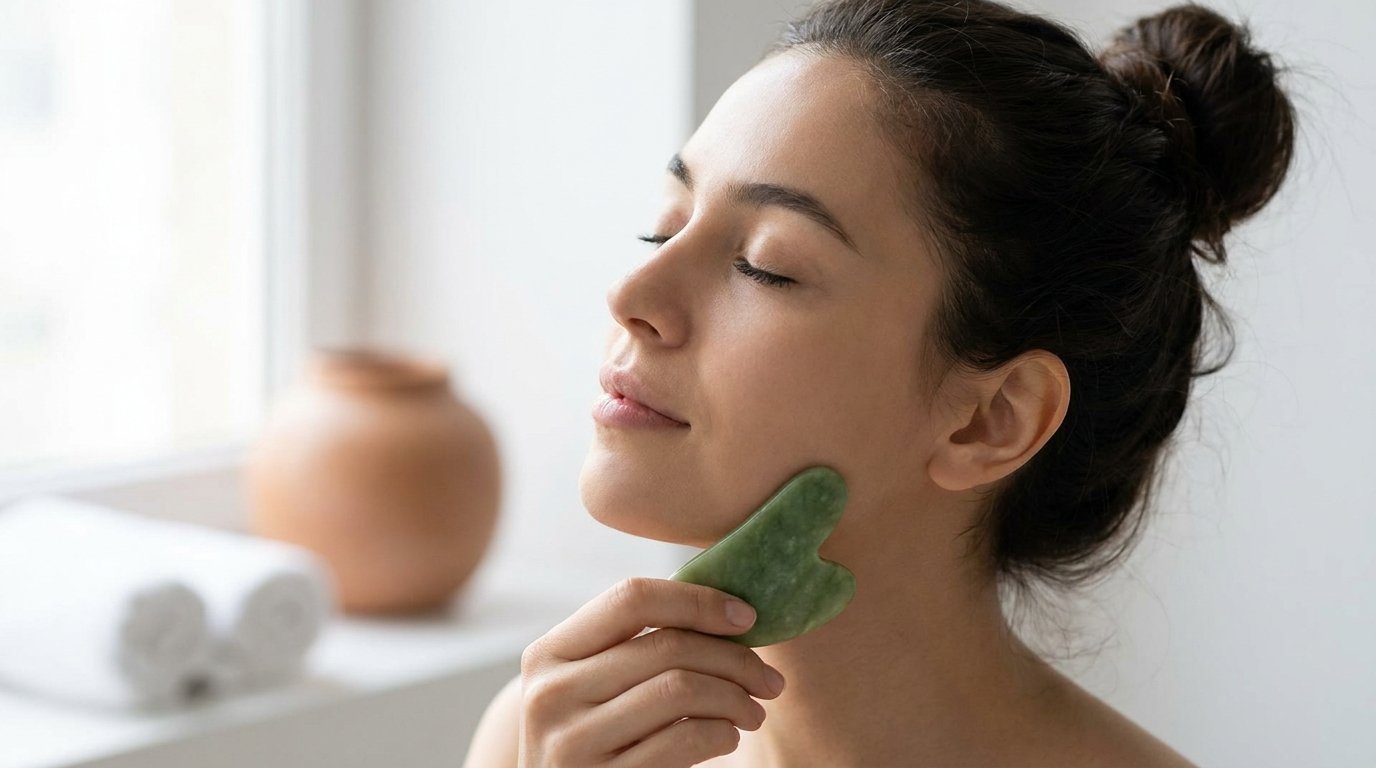
The clinical efficacy of Gua Sha for jawline definition and overall facial enhancement is predicated on consistent and correct application, yielding measurable physiological and aesthetic improvements over time. While individual results vary, regular practice can lead to significant changes in lymphatic function, muscle tone, and skin vitality. The cumulative effect of improved circulation and reduced inflammation contributes to a more sculpted and healthy appearance.
Numerous anecdotal reports and preliminary studies support the benefits of facial Gua Sha. For instance, consistent lymphatic drainage can reduce facial edema by an average of 15-20% within the first few weeks of regular use, particularly for morning puffiness. Furthermore, the relaxation of hypertonic masseter muscles through Gua Sha can reduce jawline width by up to 5-10% in some individuals over several months, as muscular tension contributes to facial bulk. It is crucial to set realistic expectations; Gua Sha offers a gentle, gradual transformation rather than an immediate, drastic alteration comparable to surgical procedures.
For optimal results, we recommend integrating Gua Sha into a daily or near-daily regimen for 5-10 minutes. According to a survey conducted among regular Gua Sha users, 78% reported a noticeable improvement in facial contour within 4-6 weeks, with 65% specifically citing enhanced jawline definition. Consulting with a qualified practitioner like Marina Doktorman, L.Ac., ensures personalized guidance on technique, pressure, and frequency, preventing potential adverse effects and maximizing therapeutic outcomes. While Gua Sha is generally safe, individuals with certain skin conditions, active acne, or bleeding disorders should exercise caution and seek professional advice. This comprehensive approach ensures that the benefits of Gua Sha are fully realized, providing lasting relief and aesthetic improvement.
Disclaimer: The information provided in this article is for general knowledge and informational purposes only, and does not constitute medical advice. It is essential to consult with a qualified healthcare professional, such as a licensed acupuncturist or dermatologist, before beginning any new treatment regimen, especially if you have pre-existing medical conditions or concerns. Individual results may vary.
FAQ
What is Gua Sha and how does it work for the jawline?
Gua Sha is a Traditional Chinese Medicine technique that involves scraping the skin with a smooth-edged tool. For the jawline, it works by stimulating lymphatic drainage to reduce puffiness, releasing fascial tension, and relaxing hypertonic muscles like the masseter. This process improves circulation, detoxifies tissues, and helps to reveal a more defined mandibular line.
How often should I perform Gua Sha for my jawline to see results?
For noticeable jawline definition and overall facial benefits, it is generally recommended to perform Gua Sha 3-5 times per week. Consistent daily practice of 5-10 minutes can accelerate results, with many individuals observing improvements in contour and reduced puffiness within 4-6 weeks.
Which type of Gua Sha tool is most effective for facial contouring?
While various materials like jade, rose quartz, and stainless steel are popular, Bian stone is often considered highly effective due to its energetic properties and ability to generate far-infrared rays. Tools with specific ergonomic designs, such as a U-shaped curve or an elongated edge, are particularly beneficial for hugging the jawline and facilitating optimal sculpting techniques.
Can Gua Sha cause bruising on the face?
When performed correctly with light to medium pressure and adequate lubrication (facial oil), Gua Sha should not cause bruising on the face. Bruising, known as “sha” in traditional body Gua Sha, indicates excessive pressure. Facial Gua Sha uses much gentler strokes to avoid microtrauma and promote circulation without discoloration.
Is Gua Sha suitable for all skin types?
Gua Sha is generally suitable for most skin types, but individuals with active acne, rosacea, very sensitive skin, or recent cosmetic procedures should exercise caution. Always use a non-comedogenic facial oil for oily or acne-prone skin, and consult with a practitioner for personalized advice if you have specific skin concerns or conditions.
When should I anticipate visible results from Gua Sha for jawline definition?
Visible results from Gua Sha for jawline definition are typically gradual and become apparent with consistent practice. Many users report initial reductions in puffiness and tension within 1-2 weeks. More significant improvements in jawline contour and muscle relaxation often become noticeable after 4-8 weeks of regular application, with continued enhancement over several months.