

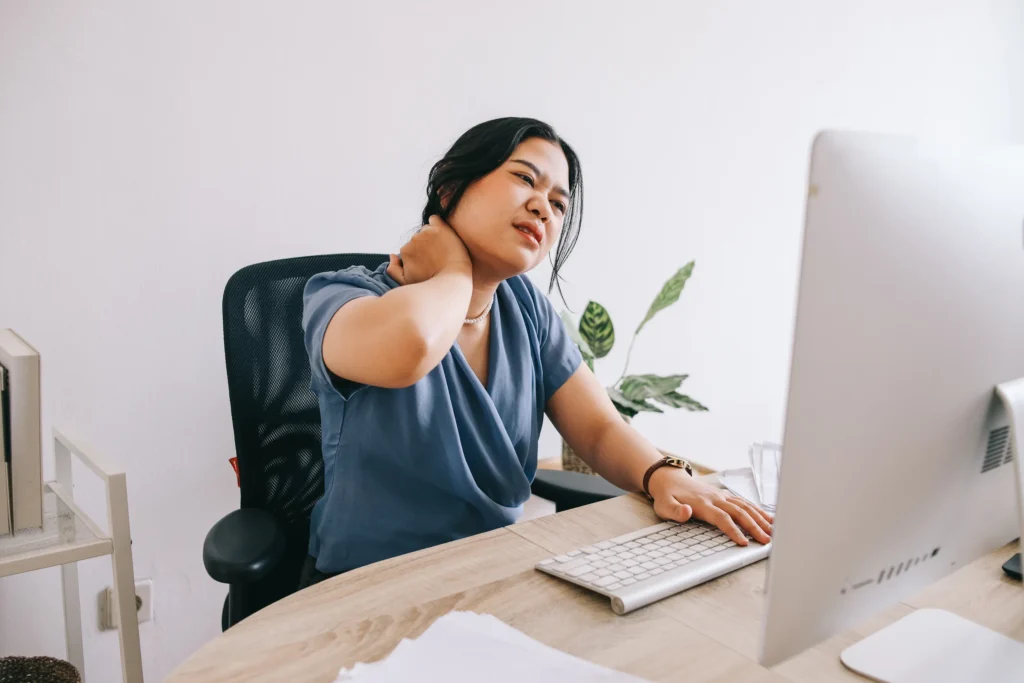
Anxiety rarely stays in one place. It begins as a thought, then shows up as a racing heart at your desk, a knot in your stomach before lunch, a short temper with your partner at night, and a restless bed at 2 a.m. Many people living with anxiety do not describe it as “worry” at all. They describe it as exhaustion, tension, poor concentration or a body that never quite settles.
This article explains how anxiety influences each part of an ordinary day: your body, sleep, digestion, focus, work, relationships and habits. It also explains how Chinese medicine interprets these patterns, and how acupuncture can support a calmer nervous system alongside the care you already receive.
This article is educational and does not replace evaluation by a physician or mental health professional. If anxiety interferes with your safety, work or relationships, seek professional assessment.
What Anxiety Is
Everyone feels anxious at times. A job interview, a medical result or a financial deadline triggers a protective stress response. The body releases adrenaline and cortisol, the heart rate rises, muscles tense and attention narrows. In short bursts, this response is useful.
Anxiety becomes a daily problem when the alarm stays on after the threat has passed, or when it activates without an obvious trigger. Western medicine groups the most common patterns under anxiety disorders, including generalized anxiety disorder, panic disorder and social anxiety disorder. A licensed clinician makes that diagnosis. What matters in daily life is the pattern: persistent worry, physical symptoms, avoidance and disrupted routines that last weeks or months.
Chinese medicine looks at the same experience through a different lens. Instead of a single diagnosis, a TCM practitioner asks which systems are out of balance. Common patterns include:
-
Liver Qi stagnation: Irritability, chest tightness, tension in the neck and shoulders.
-
Heart and Spleen deficiency: Palpitations, overthinking, fatigue, poor appetite.
-
Heart and Kidney disharmony: Restless sleep, night sweats, a feeling of being “wired and tired”.
These patterns do not replace a Western diagnosis. They guide how a treatment plan is tailored to you. For a clinic-level overview of how we approach this, see our acupuncture for anxiety page.
How Anxiety Affects Your Body During the Day
Physical symptoms are often the first sign, and the most confusing. Many people visit a primary care physician convinced something is structurally wrong before anxiety is considered.
Heart Rate, Breathing and Chest Sensations
Anxiety activates the sympathetic nervous system, which prepares the body for action. You may notice a pounding heart, shallow chest breathing, a feeling of air hunger or chest tightness. These sensations are frightening, which in turn raises anxiety further. The cycle can repeat many times a day. Because chest symptoms can also have cardiac or respiratory causes, new or severe chest pain always warrants medical evaluation.
Muscle Tension and Pain
Chronic anxiety keeps muscles in a state of low-grade contraction. The jaw clenches, the shoulders rise toward the ears and the neck stiffens. Over weeks, this tension contributes to tension headaches, jaw pain, neck pain and back stiffness. Some people grind their teeth at night and wake with a sore jaw, a pattern that overlaps with TMJ discomfort.
Dizziness and Lightheadedness
Rapid breathing changes carbon dioxide levels, and tense neck muscles alter the signals sent to the brain about balance. Both can produce lightheadedness, a floating sensation or unsteadiness. If dizziness is new, severe or accompanied by hearing changes, speech difficulty or weakness, seek medical care promptly. Persistent dizziness is also discussed on our vertigo page.
Blood Pressure
Stress hormones raise blood pressure temporarily. People with anxiety may notice higher readings during a stressful appointment or a hard week. Whether anxiety contributes to long-term hypertension is a topic of active research, and any sustained elevation should be managed with your physician. Our high blood pressure page explains how acupuncture can be used as a complementary support.
Headaches
Tension and anxiety are among the most frequently reported triggers of headaches. If you notice a pattern of pain that builds through the workday, see our practical guide on how to get rid of a headache.
For a full explanation of the physiology behind these symptoms, read how stress attacks your body.
How Anxiety Affects Digestion
The gut and the brain communicate continuously through the vagus nerve, hormones and the enteric nervous system. When the stress response is active, digestion is deprioritized. The result varies from person to person:
-
Nausea or a “butterflies” sensation before stressful events.
-
Loose stools or urgent bowel movements.
-
Constipation, particularly when stress alters routine and hydration.
-
Bloating, cramping and reflux.
-
Appetite loss, or the opposite: frequent snacking for comfort.
Many people with irritable bowel symptoms also report anxiety, and each condition tends to intensify the other. In Chinese medicine, this is a classic example of the Liver overacting on the Spleen and Stomach. Emotional strain constrains Liver Qi, which then disrupts the digestive function of the Spleen, producing alternating constipation and diarrhea, bloating and abdominal pain.
How Anxiety Affects Sleep
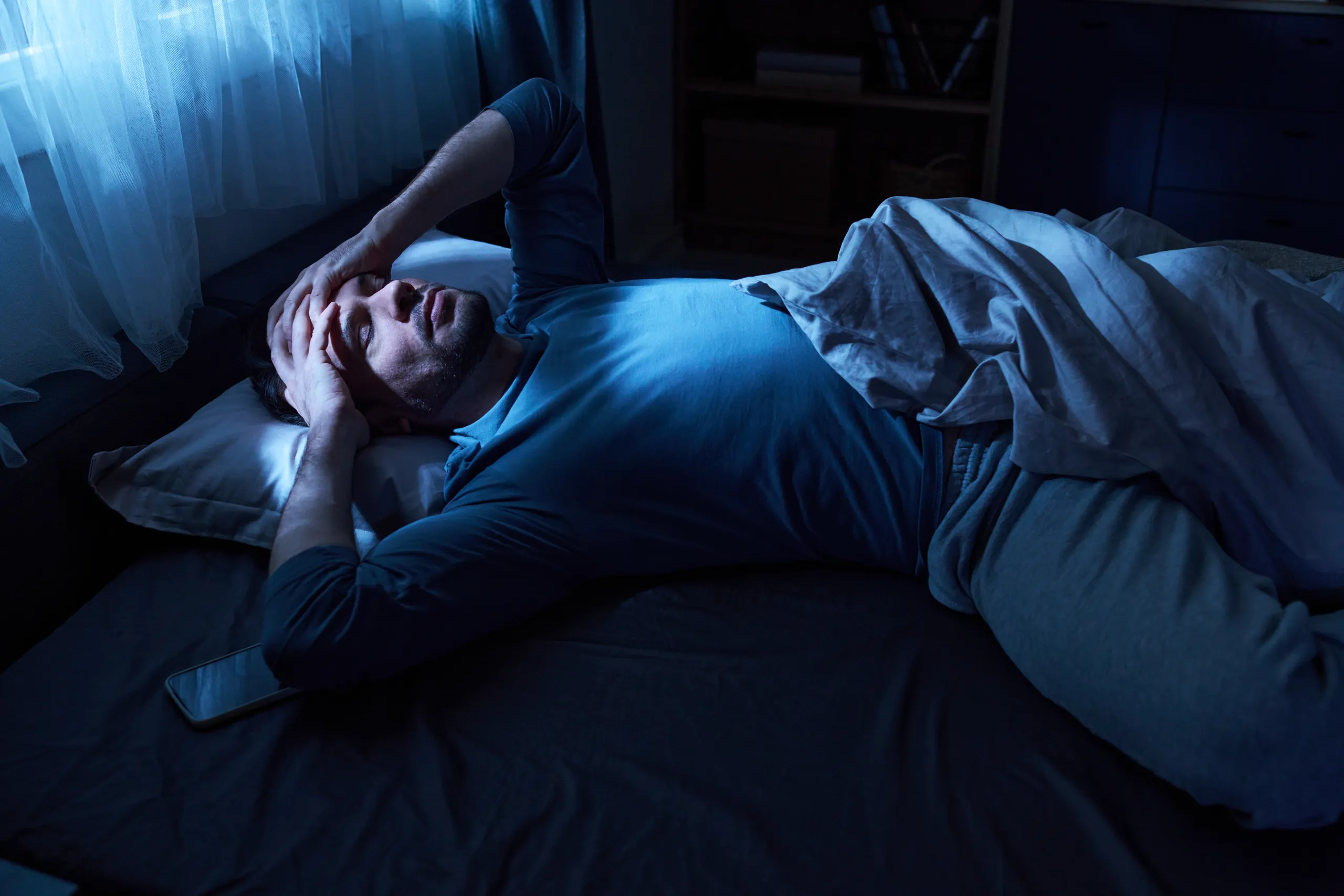
Sleep and anxiety have a bidirectional relationship. Anxiety makes it difficult to fall asleep, and insufficient sleep lowers the threshold for anxiety the next day. Typical patterns include:
-
Lying awake while the mind reviews the day or rehearses tomorrow.
-
Waking between 1 and 4 a.m. with a racing heart.
-
Light, unrefreshing sleep with vivid dreams.
-
Daytime fatigue paired with an inability to nap.
Chinese medicine pays close attention to the time of waking. Waking in the early morning hours is traditionally linked to specific organ systems, which we explain in the Chinese medicine body clock. If nighttime is your hardest period, read why do I get anxiety at night, and visit our insomnia page for treatment options.

How Anxiety Affects Focus, Memory and Decision-Making
Anxiety consumes working memory. When part of your attention is dedicated to scanning for threats, less remains for the task in front of you. People describe this in familiar ways:
-
Rereading the same paragraph several times.
-
Forgetting why you entered a room.
-
Difficulty making even small decisions, such as what to eat.
-
Mental “blanking” during meetings or conversations.
-
Constant second-guessing of completed work.
This cognitive load is not a character flaw or a lack of discipline. It is a predictable effect of a nervous system running on high alert. It also explains why anxiety often feels like burnout. If fatigue and mental fog dominate your day, our article on acupuncture for burnout and chronic fatigue may resonate.
How Anxiety Affects Work and Productivity
At work, anxiety tends to manifest as one of two opposite patterns, sometimes both in the same week.
|
Pattern |
Workplace Behavior |
Internal Feeling & Long-term Impact |
|
Overfunctioning |
Perfectionism, long hours, difficulty delegating, constant checking of email |
Feels depleted internally despite high external performance; eventually leads to burnout |
|
Avoidance |
Procrastination on high-stakes tasks, reluctance to speak up in meetings, declining promotions |
Missed growth opportunities, reduced job satisfaction, chronic stress |
Both patterns carry costs: reduced job satisfaction, physical exhaustion and, eventually, burnout. Commuting through crowded transit, open-plan offices and constant notifications add further sensory load for people living and working in a busy metropolitan area such as New York.
Practical adjustments help: block time for focused work, schedule short breaks away from screens, and move your body for a few minutes between meetings. If anxiety is affecting your attendance or performance, a conversation with your healthcare provider or an employee assistance program is a reasonable next step.
How Anxiety Affects Relationships
Anxiety shapes how you relate to others, often without your noticing:
-
Irritability: A stressed nervous system has a shorter fuse. Small frustrations produce disproportionate reactions, which partners and family members may take personally.
-
Reassurance seeking: Repeated requests for confirmation (“Are you mad at me?”) can strain close relationships.
-
Withdrawal: Social situations feel exhausting, so invitations are declined and friendships fade.
-
Reduced intimacy: Chronic stress lowers libido and makes physical closeness feel like another demand. Our low libido page addresses this common and under-discussed effect.
Naming these patterns to the people closest to you often reduces tension. Anxiety explains the behavior; it does not require anyone to accept disrespect, but shared understanding makes problem solving easier.
How Anxiety Affects Habits and Daily Choices
When the nervous system is overloaded, short-term relief becomes attractive. Common coping behaviors include:
-
Increased caffeine intake to push through fatigue, which can intensify palpitations and jitteriness.
-
Alcohol in the evening to “take the edge off,” which fragments sleep and often worsens anxiety the next day.
-
Skipped meals or irregular eating.
-
Reduced exercise because of exhaustion or avoidance.
-
Excessive scrolling or news consumption, which maintains a state of vigilance.
Recognizing these habits without judgment is a useful first step. Small, sustainable changes, such as moving caffeine to the morning, building a consistent wind-down routine and eating regular meals, support any treatment plan you choose.
When Anxiety Becomes a Medical Priority
Seek professional help promptly if you experience:
-
Panic attacks that occur frequently or limit your activities.
-
Persistent low mood, hopelessness or loss of interest in daily life.
-
Thoughts of harming yourself (In the United States, call or text 988 for the Suicide & Crisis Lifeline or call 911 in an emergency).
-
Anxiety following trauma, with flashbacks, nightmares or avoidance.
-
Physical symptoms that are new, severe or unexplained.
Psychotherapy, particularly cognitive behavioral therapy, and medication prescribed by a physician or psychiatrist are established treatments. Acupuncture works best as a complement to this care, not a replacement. Please do not change or stop prescribed medication without your prescriber’s guidance.
How Acupuncture Can Help You Regain Control
Acupuncture is the insertion of thin, sterile needles at specific points on the body. Practitioners select points according to your symptoms, pulse, tongue and overall pattern. Research on acupuncture for anxiety is ongoing. Some clinical studies and reviews report reductions in anxiety symptoms, while others note that study quality varies and that more rigorous trials are needed. For an honest summary of what is known, read can acupuncture help with anxiety.
How Acupuncture May Influence the Stress Response
Several mechanisms have been proposed. Needle stimulation appears to influence the autonomic nervous system, shifting activity away from the sympathetic “fight or flight” state toward the parasympathetic “rest and digest” state. Many patients describe a distinct physical softening during a session: slower breathing, relaxed shoulders and a heavy, calm feeling. Researchers are also studying effects on stress-related neurochemicals and on vagal tone.
What a Treatment Plan Can Look Like at Pulse
At Pulse Acupuncture, every plan begins with a thorough intake. We ask about sleep, digestion, energy, emotions, pain and medical history, then examine your pulse and tongue. Depending on your pattern, your practitioner may combine several approaches:
-
Acupuncture: Needles at points commonly used to calm the Shen (spirit), soothe the Liver and support the Heart and Spleen.
-
Esoteric acupuncture: A gentle system that works with the body’s energetic field, chosen by patients who are emotionally sensitive or sensitive to needling.
-
Auricular acupuncture: Uses points on the ear and, between visits, can include small ear seeds for continued stimulation.
-
AcuNova: A modern technique that supports the nervous system.
-
Electroacupuncture: Mild electrical stimulation used when a stronger regulating effect is appropriate.
-
Neuro-acupuncture: For patterns involving headaches, dizziness or neurological tension.
-
Chinese herbs: Prescribed individually and reviewed for compatibility with any medication you take.
-
Bodywork: Treatments such as Tui Na, shiatsu or massage therapy to release muscular tension.
-
Supportive therapies: Options like red light therapy, Onnetsu therapy or moxibustion when warmth suits your constitution.
How Many Sessions to Expect
Anxiety that has developed over months or years rarely resolves in one visit. Most plans begin with weekly sessions for several weeks, then taper as symptoms stabilize. Some patients notice calmer sleep and a lighter chest after the first or second treatment, while others need a longer series. Our explanation of why 3 to 6 sessions unlock your best acupuncture results outlines a realistic timeline. If you are curious about the cost, our rates and treatment packages pages list current options, and you can use the insurance benefits check to review your coverage.
What a Session Feels Like
Needles are much thinner than injection needles. Most people feel a brief pressure, warmth or heaviness at the point, and many fall asleep. If you are concerned about discomfort, read does acupuncture hurt. Plan for a quiet evening afterward; some people feel drowsy, which is addressed in feeling tired after acupuncture.
Daily Practices That Support Treatment
Acupuncture is more effective when daily habits reinforce it. These steps are simple and evidence-informed:
-
Slow your exhale: Breathe in through the nose for four counts and out for six to eight. A longer exhale engages the parasympathetic nervous system.
-
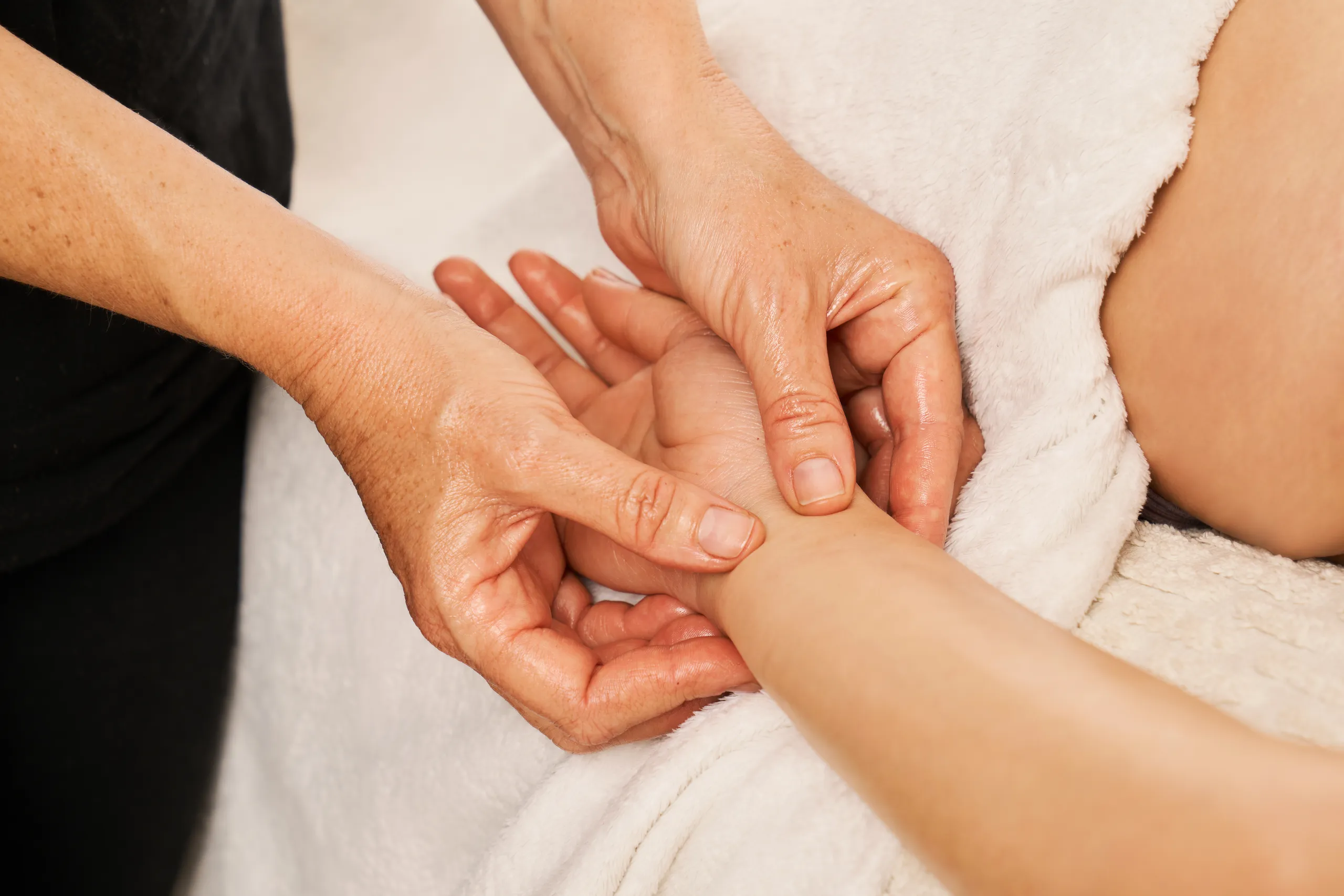
Press calming points: Gentle pressure at Pericardium 6 (inner forearm) and Heart 7 (wrist crease) is a popular self-care option. Our guide to acupressure points for anxiety includes locations and technique.
-
Use scent carefully: Lavender and similar oils may support relaxation for some people. See our list of the best essential oils for anxiety and stress, and follow dilution and safety guidance.
-
Lower cortisol load: Regular meals, daylight exposure and movement all help. Read how to lower cortisol levelsfor seven practical steps.
-
Protect your evening: Dim lights, limit screens for the last hour and keep a consistent bedtime.
-
Move daily: Walking, yoga or tai chi for even 20 minutes reduces muscular tension and improves mood.
-
Reduce stimulants: Evaluate caffeine and alcohol for two weeks and track the change in your symptoms.
Is Acupuncture Safe for Anxiety?
When performed by a licensed acupuncturist using sterile, single-use needles, acupuncture has a low rate of serious adverse events. Common minor effects include slight bruising, mild soreness or temporary lightheadedness. Tell your practitioner if you take blood thinners, have a bleeding disorder, use a pacemaker, are pregnant or may be pregnant, or have a history of fainting. Herbs should always be disclosed to your physician, because some interact with medications.
Pulse Acupuncture treats patients in Williamsburg, Brooklyn and Clifton, New Jersey. You can learn about our practitioners on the About Us page or read about lead practitioner Marina Doktorman, L.Ac.
Frequently Asked Questions
How does anxiety affect your daily life?
Anxiety can disrupt nearly every routine. Physically, it contributes to a racing heart, muscle tension, headaches, digestive upset and fatigue. Mentally, it reduces concentration and makes decisions harder. Socially and professionally, it may cause irritability, avoidance and burnout. Sleep is often affected as well, which intensifies the other symptoms. If these effects persist for weeks, a professional evaluation is advisable.
Can acupuncture help with anxiety?
Many patients report feeling calmer, sleeping better and experiencing less physical tension after acupuncture. Clinical research is promising but mixed, and study quality varies, so acupuncture is best viewed as a complementary therapy used alongside counseling and any medical care your physician recommends. A licensed practitioner can explain what outcomes are realistic for your situation.
How many acupuncture sessions are needed for anxiety?
It depends on the severity and duration of your symptoms. Many people begin with weekly visits for four to six weeks, then reduce frequency as improvement holds. Your practitioner will reassess your progress regularly and adjust the plan accordingly.
Is it safe to combine acupuncture with anxiety medication or therapy?
Generally yes. Acupuncture does not require you to adjust prescribed medication, and it is often used alongside psychotherapy. Always tell both your acupuncturist and your prescriber about every medication, supplement and herb you take, and never change a prescription without your doctor’s guidance.