


Chinese herbs are not a proven rapid-weight-loss solution. In Traditional Chinese Medicine, herbs are usually selected as part of an individualized formula based on a person’s symptoms, digestion, appetite, sleep, medications, and overall health. Some herbal formulas have shown promising results in clinical research, but evidence varies, and herbs may interact with medications. Treatment should be supervised by a qualified practitioner.
Do Chinese Herbs Work for Weight Loss?
Chinese herbs have traditionally been used as part of Traditional Chinese Medicine (TCM) to support digestion, appetite, energy, and fluid balance. Herbs such as lotus leaf, ginseng, ginger, and hawthorn may be included in herbal formulas depending on a person’s individual TCM pattern and health needs.
Some clinical research suggests that certain Chinese herbal formulas may help support modest improvements in body weight, BMI, or related metabolic measures. However, the evidence varies considerably between herbs and formulas, and Chinese herbs should not be considered a proven or rapid weight-loss solution.
It is also important to distinguish traditional TCM uses from effects that have been demonstrated in modern clinical research. Claims that an individual herb “burns fat,” “boosts metabolism,” or directly causes weight loss may not be supported by strong human evidence.
Chinese herbal medicine is generally used as a complementary approach alongside nutrition, physical activity, and other appropriate weight-management strategies. Because herbs can cause side effects or interact with medications, anyone considering Chinese herbs for weight loss should discuss their use with a qualified healthcare professional.
What Human Research Suggests
Human research on Chinese herbal medicine for weight management is promising, but it is not yet conclusive. A systematic review of 39 randomized controlled trials involving 3,415 adults found that Chinese herbal formulas were associated with greater reductions in body weight and BMI primarily when they were used alongside lifestyle interventions or conventional medical care. The review did not find consistent benefits when herbal medicine was used alone compared with placebo or Western medication, and many of the included trials had a high or unclear risk of bias.
A separate meta-analysis of 16 randomized trials involving 1,052 participants reported reductions in body weight and BMI when herbal formulas were selected according to Traditional Chinese Medicine pattern identification. However, only two of the included trials used a placebo comparison, and the authors noted limitations involving blinding and standardized pattern diagnosis.
Individual trials have also reported modest, formula-specific results. In a 12-week randomized placebo-controlled trial of RCM-104, participants assigned to the herbal formula lost approximately 1.5 kg, while the placebo group gained approximately 0.5 kg. These findings apply to the formulas studied and do not prove that any single Chinese herb reliably produces weight loss. Larger, longer, and better-controlled trials are still needed.
The Best Chinese Herbs for Weight Loss
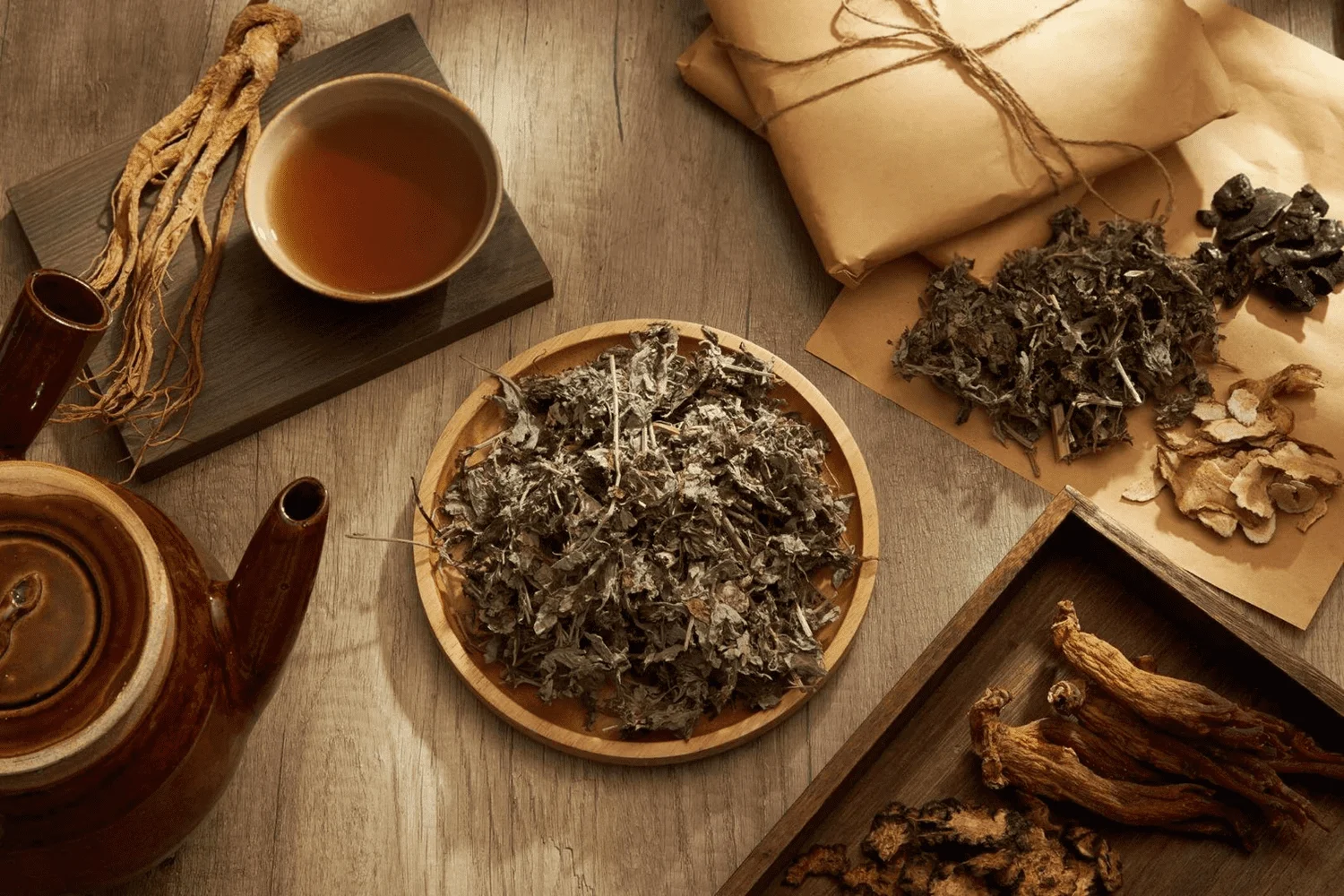
A number of herbs used in Traditional Chinese Medicine are associated with digestion, appetite, energy, fluid balance, or other functions that may be relevant to weight management. However, the amount and quality of research vary considerably from one herb to another, and many traditional uses have not been confirmed as weight-loss effects in humans.
The herbs below are commonly discussed in relation to weight management, but they should not be viewed as stand-alone weight-loss treatments. The table summarizes their traditional uses, what current research suggests, the general strength of the evidence, and important safety considerations.
| Chinese herb | Traditional use in TCM | What research has examined | Evidence level | Key safety considerations |
|---|---|---|---|---|
| Ginseng root | Energy, digestion and metabolic support | Glucose metabolism, appetite and body weight | Limited and mixed | May interact with diabetes medication, stimulants and blood thinners |
| Lotus leaf | Traditionally used for digestion and fluid balance | Primarily laboratory and animal research | Preliminary | Human weight-loss evidence is limited |
| Ginger root | Digestive support and warming function | Appetite, digestion and metabolic markers | Limited human evidence | Caution with blood thinners and digestive sensitivity |
| Green tea | Traditionally consumed to support digestion and alertness | Body weight, energy expenditure and metabolism |
Human evidence; weight-loss effects appear small |
Contains caffeine; concentrated extracts may pose liver risks |
| Chinese red date | Traditionally used for digestive and general support | Nutrition and metabolic markers | Insufficient for weight loss | Contains natural sugars; not proven to cause weight loss |
| Mulberry fruit | Nourishing and digestive applications |
Metabolic markers and body composition |
Insufficient for weight loss | May affect blood sugar |
| Eucommia bark | Traditionally used for constitutional support | Mostly animal and laboratory studies | Preliminary | Limited human weight-management evidence |
| Fennel seed | Digestive discomfort and appetite-related use |
Satiety, appetite and body composition |
Insufficient for weight loss |
May cause allergic reactions or interact with certain conditions |
| Black atractylodes root | Traditionally associated with digestion and dampness | Mostly preclinical or formula-based research | Preliminary | Should be selected according to the individual pattern |
| Adenophora root | Traditionally used for fluid and yin-related patterns |
Laboratory and animal obesity research |
Insufficient human evidence | Not supported as a standalone weight-loss herb |
1. American Ginseng Root (Xi Yang Shen)
American ginseng (Panax quinquefolius), known as Xi Yang Shen in Traditional Chinese Medicine (TCM), is traditionally used for nourishing and restorative purposes, particularly in relation to fatigue and weakness. It is one of several widely used Traditional Chinese Medicine herbs that may be incorporated into individualized herbal formulas.
Research has examined American ginseng and its ginsenosides for potential effects on glucose regulation and metabolic health, but there is not strong evidence that Xi Yang Shen directly causes weight loss or burns fat. It is therefore better viewed as a traditional herb with potential metabolic relevance rather than a stand-alone weight-loss treatment.
2. Adenophora Root (Nan Sha Shen)
Adenophora root, or Nan Sha Shen, is sometimes mentioned among natural herbs for weight loss, although its traditional role in TCM is not specifically to promote weight loss. It is traditionally used to nourish Yin and support the Lung and Stomach within the TCM framework.
Laboratory and animal studies have explored Adenophora extracts in relation to fat accumulation and metabolic changes associated with obesity. However, there is insufficient human evidence to show that Adenophora reduces appetite or produces meaningful weight loss, so it should not be considered a stand-alone weight-loss herb.
3. He Ye (Lotus Leaf)
He Ye, or lotus leaf (Nelumbo nucifera), has a long history of use in Traditional Chinese Medicine, including traditional applications related to digestion and fluid balance. Lotus leaf for weight loss has also attracted interest because researchers have investigated its plant compounds for potential effects on lipid metabolism and fat accumulation.
However, most evidence relevant to weight management comes from laboratory and animal studies rather than clinical trials in humans. These findings are preliminary and do not establish that lotus leaf directly burns fat or produces weight loss. It is therefore better viewed as a traditionally used herb under investigation rather than a proven natural weight-loss treatment.
4. Ginger Root (Sheng Jiang)
Ginger root, or Sheng Jiang, is widely used in Traditional Chinese Medicine and as a culinary ingredient around the world. In TCM, fresh ginger is traditionally associated with warming and digestive support. Ginger has also been studied in clinical trials for its potential effects on appetite, metabolic health, and body composition.
Some meta-analyses of human trials suggest that ginger supplementation may produce modest improvements in certain measures such as body weight, waist circumference, or body fat. However, results vary between studies, and the overall certainty of evidence remains limited. Ginger may complement a healthy diet and active lifestyle, but it should not be considered a proven fat-burning or stand-alone weight-loss treatment.
Read Also: Chinese Medicine Body Clock: What Waking Up at 3 AM Means According to TCM
5. Cang Zhu (Atractylodes lancea Rhizome)
Cang Zhu (Atractylodes lancea rhizome) is a traditional Chinese herb commonly used within the TCM framework for digestive concerns and patterns described as “dampness.” Because these traditional applications can involve sensations such as heaviness, bloating, or fluid retention, Cang Zhu is sometimes discussed among natural weight loss herbs.
Laboratory and animal studies have investigated Atractylodes lancea in relation to lipid metabolism and obesity-related metabolic changes. However, there is not sufficient human evidence to show that Cang Zhu increases metabolism, breaks down body fat, or causes weight loss. Its potential role in weight management therefore remains preliminary.
6. Chinese Red Date (Jujube)
Chinese red date, or jujube (Ziziphus jujuba), is a sweet fruit commonly used in Traditional Chinese Medicine and is sometimes included in Chinese herbal teas and formulas. In TCM, jujube is traditionally used for digestive and general support, while the fruit itself provides fiber and a range of naturally occurring plant compounds.
Jujube has been studied for potential effects on metabolic and lipid markers, including in people with obesity. However, current human evidence does not show that jujube itself produces meaningful weight loss. It can be enjoyed as part of a balanced diet, but Chinese red date should not be considered a proven weight-loss remedy.
7. Mulberry Fruit (Sang Shen)
Mulberry fruit, known as Sang Shen in Traditional Chinese Medicine, is traditionally used as a nourishing food and herb and contains fiber and naturally occurring plant compounds such as polyphenols. Research on Morus alba has explored potential effects on glucose and lipid metabolism, although studies may involve different parts of the plant, including the fruit, leaves, or root bark.
For mulberry fruit specifically, current human evidence does not establish a meaningful weight-loss effect. A recent clinical study in adults with obesity did not find significant improvements in body weight or body composition. Mulberry can be included as a nutritious food, but it should not be presented as a proven natural weight-loss remedy.
8. Eucommia Bark (Du Zhong)
Eucommia bark, or Du Zhong (Eucommia ulmoides), is traditionally used in TCM to support patterns associated with the Kidney and Liver and to strengthen the body. These traditional concepts should not be interpreted as evidence that Eucommia improves kidney or liver function or “detoxifies” the body in the modern medical sense.
Laboratory and animal studies have investigated Eucommia for potential effects on lipid and glucose metabolism and obesity-related pathways. However, human evidence for weight management remains limited, so Du Zhong should not be considered a proven natural herb for weight loss.
9. Fennel Seed (Xiao Hui Xiang)
Fennel seed, known as Xiao Hui Xiang in Traditional Chinese Medicine, is traditionally used for digestive discomfort and is commonly consumed as a tea or culinary spice. Fennel has also attracted interest among natural remedies for weight loss because of its potential effects on appetite and satiety.
A small human study found that fennel tea temporarily reduced subjective hunger and increased feelings of fullness, but it did not reduce actual food intake. Another placebo-controlled study found no significant effect on body weight, BMI, waist circumference, or body fat distribution. Current evidence therefore does not establish fennel as an effective weight-loss treatment.
Read Also: What does Aromatherapy do to Help You Feel Better?
10. Green Tea (Lu Cha)
Green tea, or Lu Cha, is one of the most extensively studied herbal products in relation to weight management. It contains caffeine and catechins, particularly epigallocatechin gallate (EGCG), which have been investigated for potential effects on energy expenditure, fat metabolism, and body weight.
Human studies suggest that green tea may have a small effect on weight loss, but the results vary and the overall clinical impact appears modest. Brewed green tea can still be a low-calorie beverage within a balanced diet, but it should not be considered a stand-alone weight-loss treatment. Concentrated green tea extracts also require more caution, as they have been associated with rare cases of liver injury.
How to Incorporate Chinese Herbs Into Your Weight Loss Plan
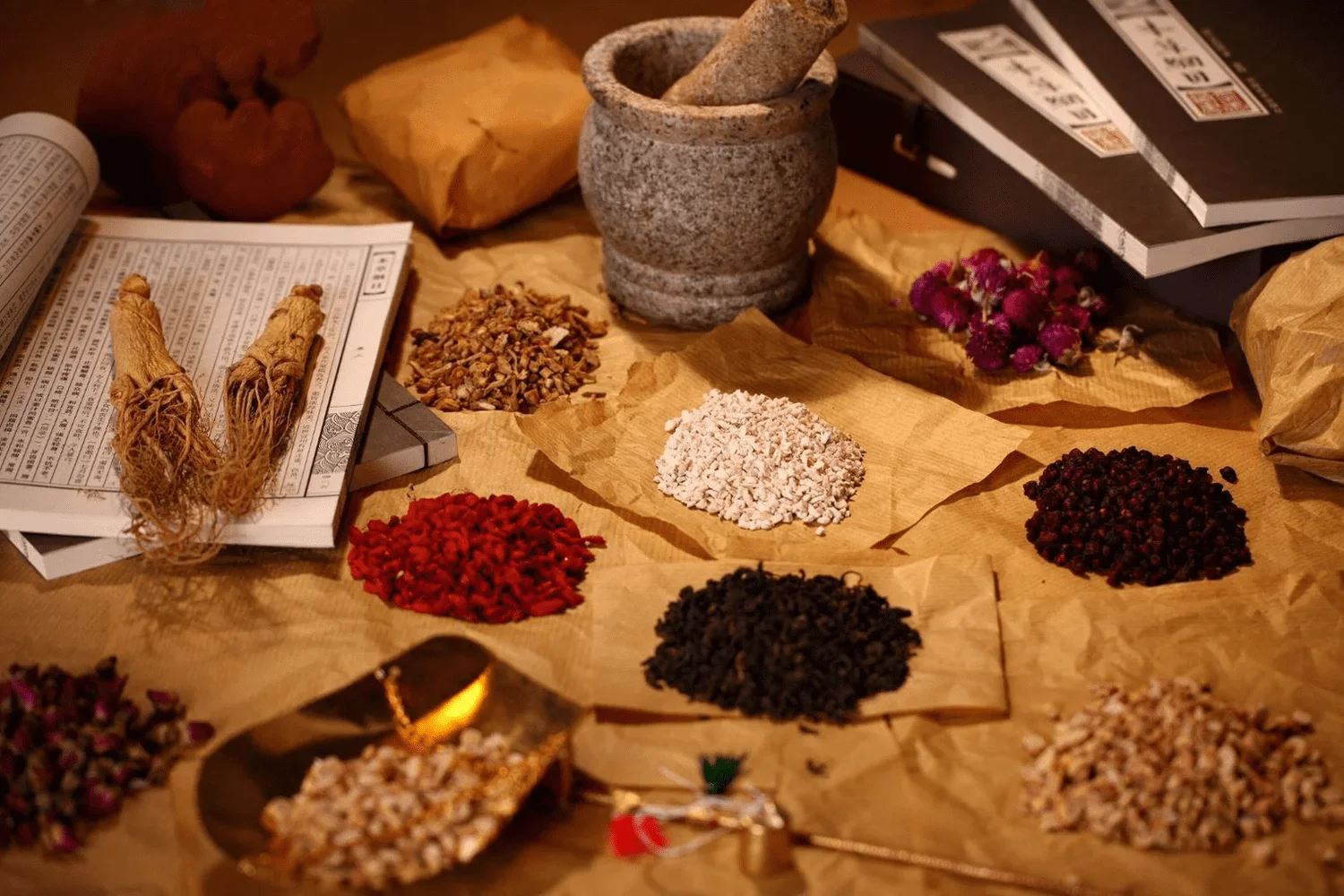
Chinese herbal medicine is typically individualized rather than based on choosing a single “weight-loss herb.” At Pulse Acupuncture, Marina Doktorman, L.Ac., works with patients in Brooklyn, NY, and Clifton, NJ, to determine whether Chinese herbal medicine may be appropriate as part of a broader weight-management plan.
Depending on your health history, goals, medications, and individual TCM pattern, this approach may include:
-
Personal Consultation. Discuss your health history and goals and determine whether Chinese herbs are appropriate for you.
-
Individualized Herbal Formulas. When appropriate, herbs and formulas are selected according to your individual needs rather than relying on a universal weight-loss remedy.
-
Acupuncture. Herbal medicine may be combined with acupuncture in Brooklyn as part of an individualized TCM treatment plan.
-
Ongoing Support. Your response, goals, and treatment plan can be reviewed over time and adjusted when appropriate.
Chinese herbal medicine should be viewed as a complementary approach rather than a replacement for evidence-based weight-management strategies such as balanced nutrition, physical activity, and appropriate medical care.
Chinese Herbs for Weight Loss – FAQ
What are Chinese Herbs for Weight Loss?
Chinese herbs for weight loss are natural remedies derived from traditional Chinese medicine (TCM) that aim to help individuals lose weight. These herbs work by boosting metabolism, improving digestion, reducing appetite, and balancing energy within the body. Common examples include ginseng, lotus leaf, and cinnamon.
How do Chinese Herbs Help With Weight Loss?
Chinese herbs help with weight loss by addressing underlying issues such as poor digestion, hormonal imbalances, and low energy levels. They work to restore the body's natural balance, which can lead to gradual and sustainable weight loss. For example, some herbs increase metabolism, while others help reduce water retention or control cravings.
Are Chinese Herbs to Lose Weight Safe?
When used correctly and under the guidance of a qualified practitioner, Chinese herbs to lose weight are generally safe. However, it is essential to consult with a healthcare provider before starting any herbal regimen, especially if you have underlying health conditions or are taking other medications.
What are the best Chinese Herbs for Weight Loss?
Some of the best Chinese herbs for weight loss include:
- Ginseng: Known for boosting energy and metabolism.
- Lotus Leaf: Helps in reducing fat accumulation and improving digestion.
- Cinnamon: Balances blood sugar levels, reducing cravings and promoting fat loss.
Each herb has unique properties, and the best combination depends on individual needs and health conditions.
How Long Does it Take to See Results with Chinese Herbs for Weight Loss?
Results vary depending on the individual, their diet, and lifestyle. Some people may start noticing changes within a few weeks, while for others, it might take a few months. Consistency in using the herbs, along with a balanced diet and regular exercise, is key to achieving the best results.
Can I Use Chinese Herbs for Weight Loss Alongside Other Weight Loss Methods?
Yes, Chinese herbs can be used alongside other weight loss methods, such as diet and exercise. In fact, combining these herbs with a healthy lifestyle can enhance the overall effectiveness of your weight loss plan. However, always consult with a healthcare provider before combining different weight loss strategies.
How Do I Choose the Right Chinese Herb for Weight Loss for Me?
Choosing the right Chinese herb for weight loss depends on your specific health needs, body type, and weight loss goals. A consultation with a TCM practitioner is recommended to create a personalized herbal regimen that is safe and effective for you.
What are the benefits of jujube tea?
Jujube tea offers several health benefits thanks to its calming and nutrient-rich properties. It may help reduce stress and improve sleep quality, as jujube is known for its natural sedative effects. The tea also supports digestive health, boosts the immune system, and provides antioxidants that help protect cells from damage. Many people drink jujube tea to soothe the nerves, support overall wellness, and promote gentle relaxation without causing drowsiness.
What is the Chinese medicine for weight loss?
In Traditional Chinese Medicine (TCM), weight loss isn’t approached with a single “magic” remedy. Instead, practitioners focus on restoring balance in the body, improving digestion, and supporting healthy metabolism. Common TCM tools for weight management include herbal formulas (such as Bao He Wan, Cang Zhu–based blends, or Pu’er tea), acupuncture, cupping, and dietary therapy tailored to your body type. These methods aim to reduce bloating, improve energy flow, and support long-term, sustainable weight loss. Always consult a qualified TCM practitioner to choose the right formula for your specific needs.
What are the benefits of ginseng root?
Ginseng root is valued for its wide range of health benefits in both Traditional Chinese Medicine and modern wellness. It’s known for boosting energy levels, reducing fatigue, and enhancing mental clarity and focus. Ginseng also helps support the immune system, improve circulation, and balance the body’s stress response. Some studies suggest it may promote healthy blood sugar levels, improve mood, and support overall vitality. Regular use is often associated with improved resilience, better endurance, and enhanced overall well-being.