
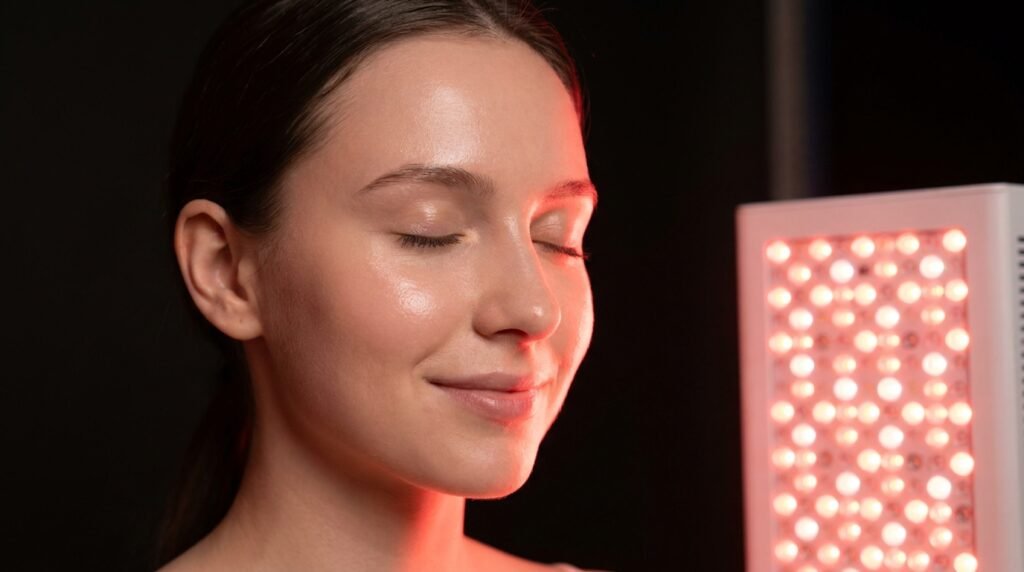
For individuals confronting persistent acne and its associated sequelae, Red Light Therapy (RLT) presents a compelling non-invasive and drug-free therapeutic modality. At Pulse Acupuncture, we recognize RLT as a beneficial adjunctive treatment, particularly efficacious for inflammatory acne, promoting cellular regeneration, and improving post-inflammatory scarring. This approach aligns with our philosophy of providing holistic solutions that address the root causes of physical and emotional issues without reliance on surgical procedures or pharmaceuticals.
RLT’s mechanism of action involves stimulating cellular function and reducing inflammation, offering significant benefits for skin health. We specifically recommend RLT for reducing redness, accelerating healing, and enhancing skin texture. Individuals seeking an alternative or complementary strategy to conventional acne management, aiming for lasting relief from chronic skin conditions, may find RLT to be a helpful complementary option. Marina Doktorman, L.Ac., customizes treatment protocols to individual needs, integrating modern therapies like RLT with traditional acupuncture techniques for comprehensive care.
The Scientific Basis of Red Light Therapy for Acne Management
Red Light Therapy, also known as photobiomodulation (PBM), employs specific wavelengths of light, primarily in the 630-700 nanometer (nm) range, to exert therapeutic effects on cellular processes. When these wavelengths penetrate the skin, they are absorbed by chromophores within the mitochondria, specifically cytochrome c oxidase. This absorption triggers a cascade of intracellular events, including enhanced ATP production, increased cellular metabolism, and the activation of various signaling pathways.
The primary benefit of RLT in acne management stems from its profound anti-inflammatory properties. By modulating inflammatory cytokines and reducing oxidative stress, RLT can effectively diminish the redness and swelling characteristic of inflammatory acne lesions. Furthermore, this therapeutic light promotes improved blood circulation and lymph flow, facilitating the removal of waste products and delivery of essential nutrients to the skin, thereby supporting dermal repair mechanisms. According to a review published in the Indian Dermatol Online J., longer wavelengths such as red light penetrate deeper into the skin where they may directly target sebaceous glands and exert anti-inflammatory properties by influencing cytokine release from macrophages.
Specific Red Light Therapy Benefits for Acne-Prone Skin
Red Light Therapy offers a multifaceted approach to improving acne-prone skin, addressing both active lesions and residual concerns. Its benefits extend beyond simple symptom management, promoting intrinsic skin health and resilience.
- Reduced Inflammation and Redness: RLT significantly reduces the inflammatory response associated with acne, calming active breakouts and diminishing the persistent redness (post-inflammatory erythema) that often lingers. This anti-inflammatory action is crucial for preventing the progression of lesions and minimizing discomfort.
- Accelerated Cellular Regeneration and Wound Healing: By stimulating mitochondrial activity, RLT enhances cellular turnover and the production of growth factors essential for tissue repair. This may help support the healing of existing blemishes, reduce inflammation, and improve the overall appearance of acne-prone skin.
- Enhanced Collagen and Elastin Synthesis: A significant advantage of RLT is its capacity to stimulate fibroblasts to produce collagen and elastin. These structural proteins are vital for maintaining skin integrity, firmness, and elasticity. Increased collagen production directly contributes to the repair of damaged skin tissue, improving overall skin texture and tone.
- Improved Skin Barrier Function: Regular RLT exposure can strengthen the skin’s natural barrier, making it more resilient against external irritants and pathogens. A robust skin barrier is critical for preventing moisture loss and maintaining a healthy microbiome, both of which are foundational to managing acne.
These benefits collectively contribute to a healthier skin environment, making RLT a valuable component of a holistic acne treatment plan. Its gentle, non-ablative nature makes it suitable for various skin types, including sensitive skin that may react adversely to harsher topical treatments.
Red Light Therapy vs. Blue Light Therapy: Optimizing Acne Treatment
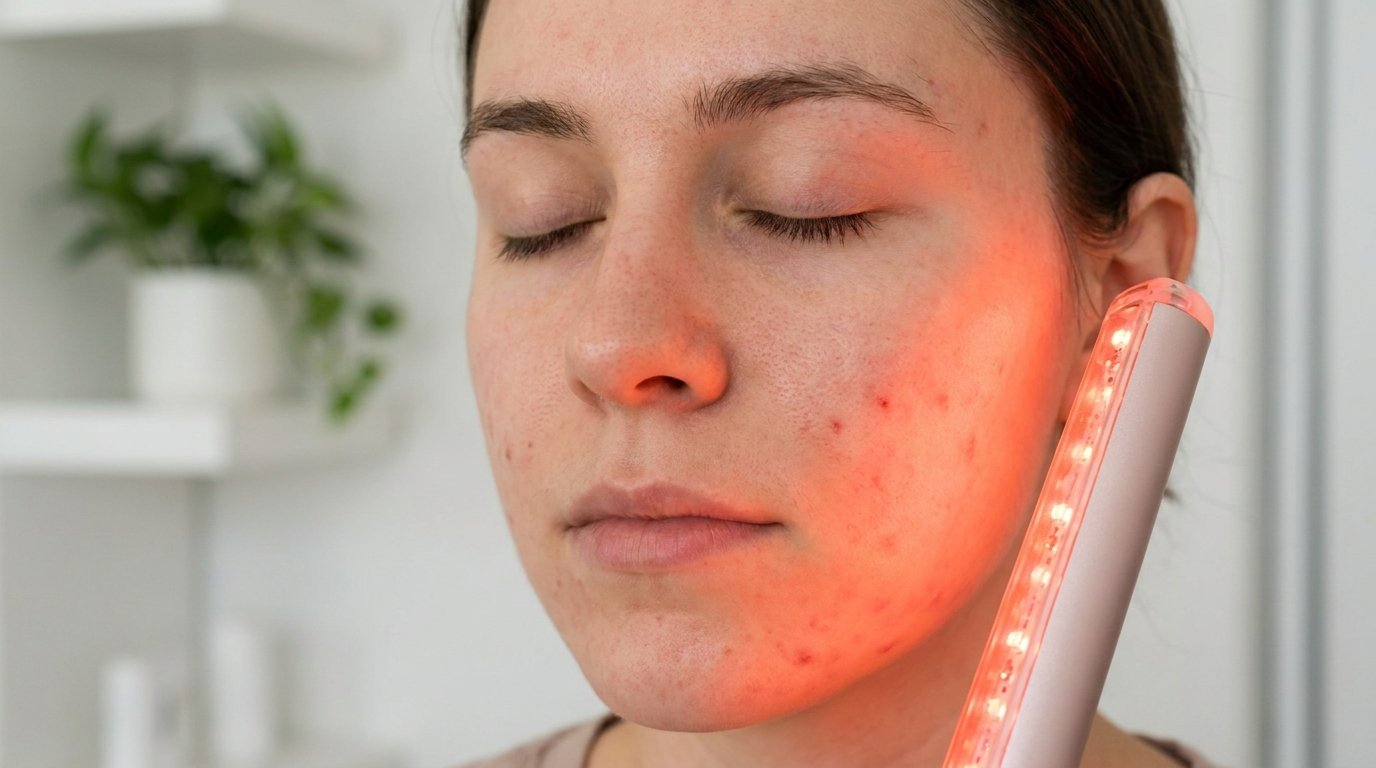
While both red and blue light therapies are utilized in acne management, their primary mechanisms and therapeutic targets differ significantly. Understanding these distinctions is crucial for optimizing treatment protocols and achieving comprehensive results.
Blue Light Therapy, typically at wavelengths around 415 nm, is primarily recognized for its potent antibacterial effects. It targets porphyrins produced by Propionibacterium acnes (now often referred to as Cutibacterium acnes), the bacteria implicated in acne pathogenesis. Absorption of blue light by these porphyrins generates reactive oxygen species, which are toxic to the bacteria, effectively reducing their population within the sebaceous follicles. This makes blue light highly effective for inflammatory acne with a significant bacterial component, but it offers less benefit for non-inflammatory lesions or scar reduction.
Red Light Therapy, in contrast, focuses on anti-inflammatory and regenerative processes. While it possesses some mild antibacterial properties, its primary strength lies in reducing inflammation, promoting cellular healing, and stimulating collagen production, as discussed previously. This makes RLT particularly beneficial for soothing irritated skin, healing existing lesions, and addressing the appearance of acne scars and adhesions.
For many individuals, a combined approach utilizing both blue and red light spectrums offers the most comprehensive treatment. Blue light targets the bacterial load, while red light simultaneously calms inflammation and supports skin repair. This synergistic strategy addresses multiple facets of acne pathology effectively.
| Feature | Blue Light Therapy | Red Light Therapy |
|---|---|---|
| Wavelength Range | Approximately 415 nm | Approximately 630-700 nm |
| Primary Target | C. acnes bacteria (Porphyrins) | Mitochondria (Cytochrome c oxidase) |
| Mechanism of Action | Generates reactive oxygen species, bactericidal effect | Anti-inflammatory, increases ATP, collagen synthesis |
| Main Benefits for Acne | Reduces bacterial count, targets active inflammatory lesions | Reduces inflammation, accelerates healing, improves scars, boosts collagen |
| Penetration Depth | Superficial (epidermis) | Deeper (dermis and subcutaneous tissue) |
| Best Suited For | Moderate to severe inflammatory acne (bacterial component) | Inflammatory acne, post-inflammatory erythema, scarring, general skin rejuvenation |
Expert Recommendation: While both modalities offer distinct benefits, the most effective acne treatment often involves a tailored protocol that may incorporate both blue and red light therapies, either sequentially or concurrently. A common professional mistake is to rely solely on one spectrum when the presenting condition could benefit from a combined approach. For instance, a patient with active, inflamed lesions and significant scarring would benefit immensely from an initial phase of blue light to control bacteria, followed by consistent red light to heal and repair the skin. Consult with a qualified practitioner to determine the optimal spectrum or combination for your specific skin concerns.
Incorporating Red Light Therapy into a Holistic Acne Regimen
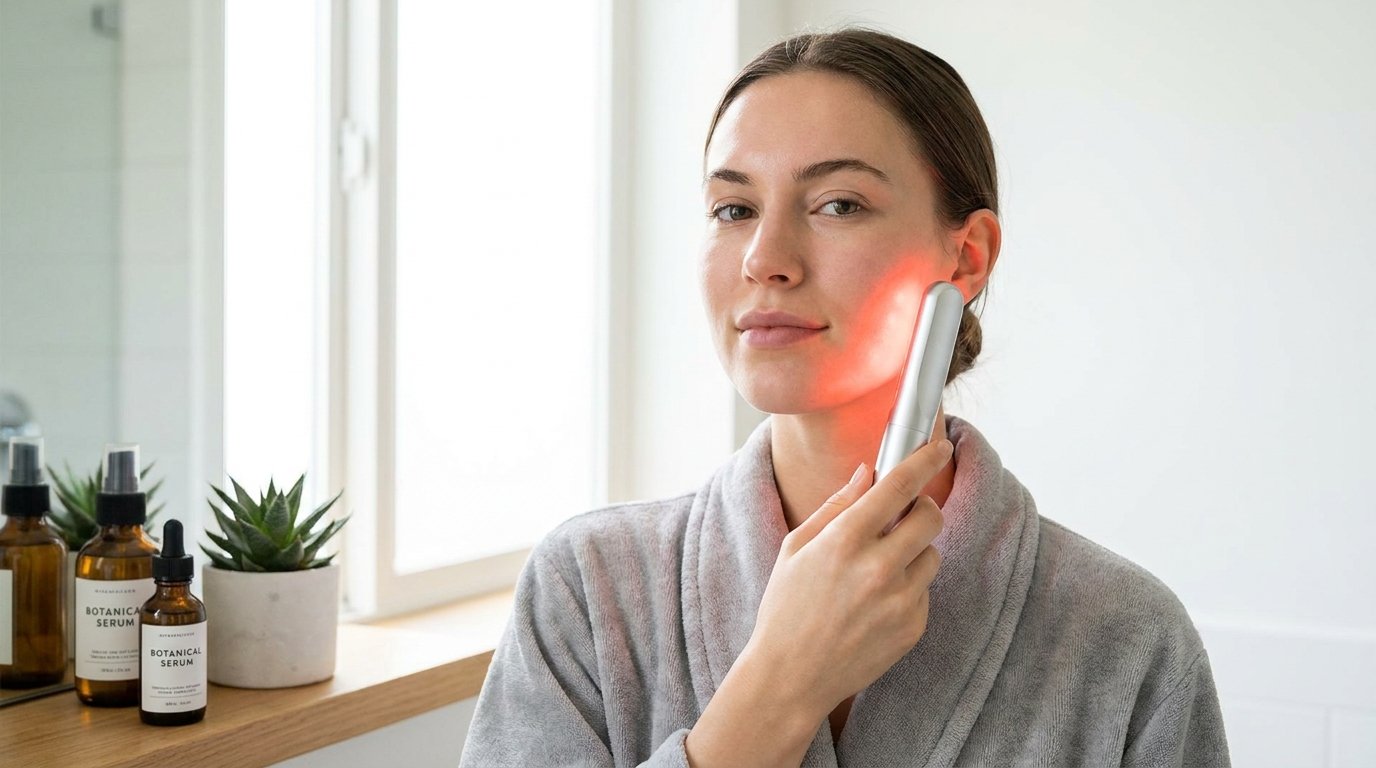
At Pulse Acupuncture in Williamsburg, Brooklyn and Clifton, NJ, we advocate for a holistic approach to skin health, recognizing that external treatments are most effective when integrated into a comprehensive wellness strategy. Red Light Therapy serves as an excellent complement to traditional and alternative medicine practices for acne management.
For instance, acupuncture for acne addresses internal imbalances that contribute to breakouts, such as hormonal fluctuations, digestive issues, or elevated stress levels. When combined with RLT, which focuses on localized healing and inflammation reduction, patients often experience more profound and lasting improvements. Our approach involves a detailed intake to identify underlying Traditional Chinese Medicine (TCM) patterns that may be associated with acne, such as Damp-Heat or Liver Qi Stagnation, and then crafting a bespoke treatment plan.
Furthermore, lifestyle modifications play an indispensable role. Dietary adjustments, stress reduction techniques, and adequate hydration can significantly impact skin clarity. For individuals experiencing acne exacerbated by stress, integrating RLT with practices like meditation or regular physical activity may support overall skin health when combined with healthy lifestyle habits. Managing internal stressors is paramount, and exploring holistic steps to lower cortisol levels can be particularly beneficial for skin health.
Professional RLT sessions conducted in a clinical setting offer precise control over wavelength, intensity, and duration, helping provide consistent treatment parameters and support safe use. While at-home devices provide convenience, their power output and spectral purity may vary. Marina Doktorman, L.Ac., provides guidance on integrating RLT, whether through in-clinic treatments or recommendations for suitable at-home supplementation, into your overall wellness journey.
Addressing Acne Scars with Red Light Therapy
Acne scars represent a significant long-term consequence for many individuals, impacting both physical appearance and self-esteem. Red Light Therapy demonstrates considerable promise in mitigating the appearance of various types of acne scars, particularly post-inflammatory hyperpigmentation (PIH), post-inflammatory erythema (PIE), and shallow atrophic scars.
The primary way RLT may support scar appearance is through its effects on inflammation, cellular activity, and collagen-related processes within the skin. By supporting skin repair mechanisms, RLT may help improve overall skin texture and the appearance of mild post-acne concerns. However, deeper acne scars, such as ice-pick, boxcar, or rolling scars, often require targeted treatments such as microneedling, chemical peels, or laser procedures.
While RLT can deliver significant improvement for many superficial and textural scar concerns, it is important to manage expectations for deeper, more entrenched scars such as ice-pick, boxcar, or rolling scars. These types of scars often require more intensive interventions, such as micro-needling, chemical peels, or laser resurfacing, sometimes in conjunction with RLT for enhanced healing and reduced downtime.
Research on photobiomodulation suggests that red light therapy may support collagen-related processes, reduce inflammation, and improve the appearance of certain skin concerns. However, acne scar results depend on the type and depth of scarring, and deeper scars often require targeted dermatological procedures.
For comprehensive scar management, our clinic offers holistic approaches to healing scars and adhesions, integrating advanced techniques with personalized care. We emphasize that consistent and prolonged RLT application is generally required to observe substantial improvements in scar appearance, reflecting the gradual nature of cellular remodeling and collagen regeneration.
What to Expect: Protocols, Results, and Cost Considerations
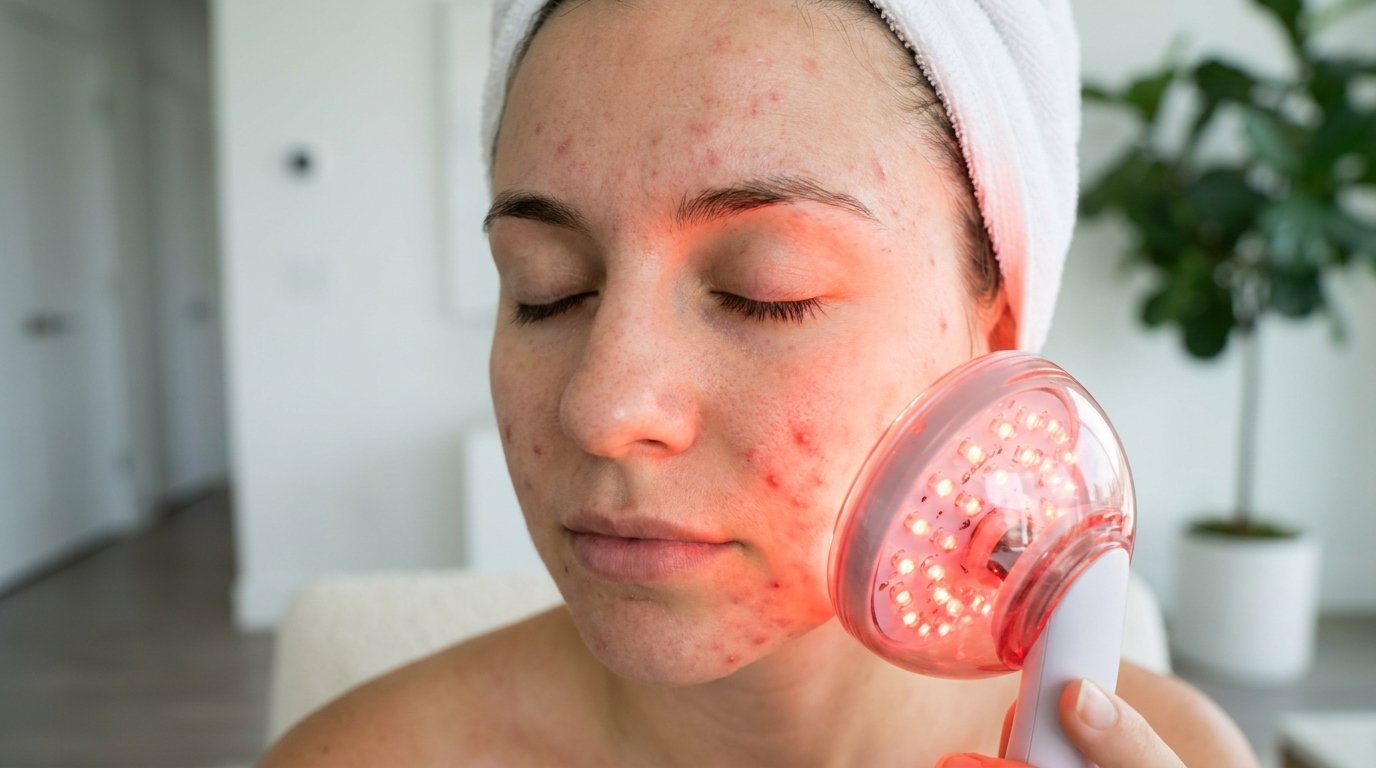
Embarking on Red Light Therapy for acne involves specific protocols and realistic expectations regarding outcomes and financial investment. Understanding these aspects helps in making informed decisions about treatment.
RLT Treatment Protocols
Typically, RLT sessions involve exposing the affected skin to a specialized LED device for a predetermined duration. The specific parameters, such as wavelength, intensity (joules per square centimeter, J/cm²), and duration, are critical for efficacy. Most professional RLT protocols for acne recommend:
- Frequency: 2-3 sessions per week.
- Duration: 10-20 minutes per session.
- Course Length: An initial course of 8-12 weeks is often recommended to observe significant improvements. Maintenance sessions may then be advised periodically.
Consistency is paramount for optimal results. Skipping sessions or discontinuing treatment prematurely can impede the cumulative benefits of cellular stimulation and regeneration.
Anticipated Results
Results from RLT are typically gradual and cumulative. Patients generally do not experience immediate dramatic changes after a single session. Instead, improvements manifest over several weeks:
- Weeks 1-4: Initial reduction in inflammation, less redness, and a calming effect on active lesions.
- Weeks 5-8: Noticeable improvement in skin texture, accelerated healing of blemishes, and a reduction in new breakouts.
- Weeks 9-12 and beyond: Further reduction in post-inflammatory marks, improved skin elasticity, and a more even skin tone. Long-term use contributes to sustained skin health.
Individual results can vary based on acne severity, skin type, consistency of treatment, and adherence to a holistic skincare regimen. Patience and adherence to the recommended protocol are essential.
Cost Considerations
The cost of Red Light Therapy varies significantly based on whether you opt for professional in-clinic treatments or invest in at-home devices.
- Professional In-Clinic Sessions:
- Single session: Typically ranges from $50–$150.
- Treatment packages: Often bundled for cost savings, ranging from $500–$1500 for a course of 8-12 sessions.
These costs reflect the use of medical-grade devices, expert application, and often, a comprehensive consultation with a licensed practitioner. For a detailed understanding of treatment investments, refer to our guide on acupuncture costs and other therapies.
- At-Home Red Light Devices:
- Handheld devices: Generally cost $80–$300. These are suitable for targeted treatment of smaller areas.
- LED masks: Range from $150–$500. Offer convenience for full-face treatment.
- Larger panel systems: Can cost $300–$1500+ for devices capable of treating larger skin areas or the entire body.
While at-home devices offer convenience and a lower long-term cost, their efficacy can depend on power output, wavelength accuracy, and consistent use.
The investment in RLT, whether professional or at-home, should be weighed against the potential for significant improvements in skin health and overall well-being. Consider the long-term benefits of a non-invasive treatment that supports natural healing processes.
Disclaimer: The information provided in this article is for educational purposes only and does not constitute medical advice. Always consult with a qualified healthcare professional, such as Marina Doktorman, L.Ac., or your dermatologist, before starting any new treatment regimen, especially for chronic conditions like acne. Individual results may vary.
FAQ
How long does it take to see results from red light therapy for acne?
Results from Red Light Therapy for acne are typically gradual, with initial improvements in inflammation and redness often observed within 2-4 weeks of consistent use. More significant changes in skin texture, healing, and scar appearance usually become apparent after an 8-12 week treatment course, requiring consistent adherence to the recommended protocol.
Is red light therapy safe for all skin types?
Red Light Therapy is generally considered safe and well-tolerated for all skin types, including sensitive skin. It is non-invasive, does not use UV light, and produces minimal heat. Mild, transient redness after a session is rare but possible. Individuals with specific photosensitizing conditions or medications should consult a healthcare professional prior to treatment.
Can red light therapy help with cystic acne?
Red Light Therapy can assist in managing cystic acne primarily by reducing the deep inflammation and pain associated with these severe lesions. While it may not eliminate the cysts entirely on its own, its anti-inflammatory and healing properties can help calm breakouts, prevent secondary infections, and promote faster resolution, complementing other treatments.
What is the optimal wavelength for red light therapy for acne?
The optimal wavelengths for Red Light Therapy in acne treatment typically fall within the red light spectrum (approximately 630-700 nm) and sometimes near-infrared (800-850 nm). These wavelengths penetrate sufficiently into the skin to reach fibroblasts and sebaceous glands, enabling their anti-inflammatory, collagen-stimulating, and regenerative effects without causing epidermal damage.
Can I combine red light therapy with other acne treatments?
Yes, Red Light Therapy can be effectively combined with many other acne treatments. It works synergistically with topical medications by enhancing absorption and reducing irritation, and with oral medications by promoting healing. Consulting with a practitioner is crucial to ensure compatibility and optimize the sequence of treatments for maximum benefit and to avoid potential interactions.
Are at-home red light devices as effective as professional treatments?
At-home red light devices can be effective for maintenance and mild to moderate conditions, but professional treatments typically offer higher power output, precise wavelength delivery, and larger treatment areas. Professional devices are often medical-grade, ensuring greater efficacy and safety, particularly for more severe acne or complex skin concerns. At-home devices are best utilized under professional guidance as a supplementary therapy.